The key facts
- More than 10 luxury apartments with refrigerators, sofas and a golf simulator were found in Cibinong prison near Jakarta; a gym was under construction
- The prison chief was dismissed on October 5, five staff members were suspended, and 10 unauthorized buildings were demolished
- Prison overcrowding (in Indonesia ~279,000 inmates against a capacity of ~154,000) and corruption create fertile ground for extortion, experts believe
Luxury behind bars: what was found in Cibinong
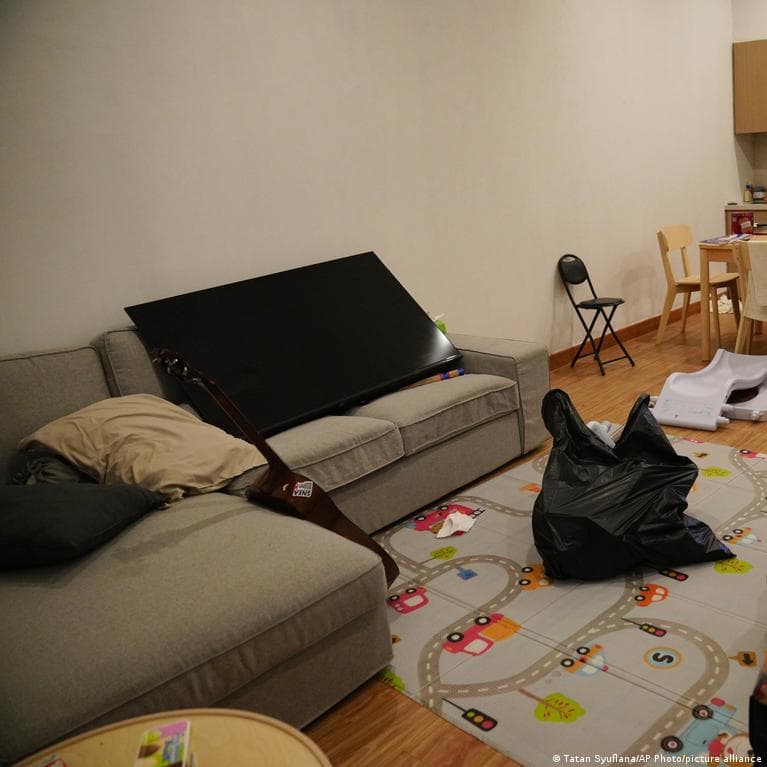
Air-conditioned apartments, plasma TVs and even a golf simulator — such 'amenities' were discovered last month at Cibinong prison near Jakarta during an unannounced inspection by Indonesia's ombudsman. Investigators found more than 10 luxury apartments with refrigerators, sofas and separate living areas; a gym under construction was also reported. After the exposure, an investigation began into whether inmates had paid for preferential treatment. Five prison staff members were suspended, and its chief was dismissed on October 5. Authorities demolished 10 unauthorized structures and took other disciplinary measures against personnel.
Not the first time
This is not the first such scandal in Indonesia: in 2018, the Anti-Corruption Commission found that wealthy inmates of Sukamiskin prison in Bandung lived in conditions resembling private apartments. Similar stories have occurred in other countries in the region. In November last year, Thai authorities investigated claims that Chinese inmates at Bangkok's remand prison were receiving special privileges, including access to a VIP lounge. In Malaysia, there have been repeated allegations of benefits for politically connected inmates; the latest Indonesian scandal has sparked renewed calls for independent inspections of Malaysian prisons.
Why the scandals repeat
'As in the outside world, money and connections work as capital within the prison system. Powerful inmates usually do not lose their wealth and maintain ties with influential people,' Iva Maulana, a senior researcher at Indonesia's Center for Detention Studies (CDS), told DW. Overcrowding and a lack of resources also open the door to corruption: according to government data, at the end of September about 279,000 people were held in Indonesian facilities, against an official capacity of roughly 154,000. Thailand's prisons, according to World Prison Brief, held about 301,000 inmates at the end of 2025 — roughly 21% above capacity. Corruption in prison administrations, DW notes, reflects broader governance problems: countries in the region regularly rank near the bottom of Transparency International's Corruption Perceptions Index. 'When decisions are made behind closed doors, with limited transparency about who gets what and why, opportunities arise for the influence of personal connections and money,' Nasrul Ismail, a criminology lecturer at the University of Bristol who recently conducted a major study of prison governance in Malaysia, Thailand and the Philippines, told DW.
Inequality broader than 'luxury for the rich'
Ismail believes the problem is not limited to the few wealthy inmates with extraordinary privileges. Across the region, many inmates depend on money from relatives to buy food, clean water and hygiene items, since the administration does not provide them. 'This differs from luxurious housing for the rich, but both cases show how broader inequality is reproduced inside prisons through different institutional mechanisms. Where minimum standards are not consistently guaranteed, access to decent conditions depends on an inmate's resources and connections,' he explained. 'The fundamental question is not whether the rich receive special privileges, but why access to basic well-being and humane treatment is so unequal in the first place.'
Are reforms possible
The recurring scandals suggest that dismissing officials and demolishing unauthorized structures are of little use without institutional reforms. Possible measures include independent inspections (UN rules known as the 'Nelson Mandela Rules' require regular internal checks and external monitoring by independent bodies), transparency in matters of placement, transfers, medical care and disciplinary decisions, reducing overcrowding, staff training and whistleblower protection. Maulana believes a more fundamental change is needed: 'The current system treats deprivation of liberty as the primary form of punishment, which is why law enforcement resorts to detention for any offense,' which leads to overcrowding and corruption. 'It is important to more actively implement non-custodial measures and alternatives to detention,' he said. Ismail, for his part, noted that governments in the region have demonstrated an 'impressive capacity' to respond to prison emergencies: during the COVID-19 pandemic they quickly contained outbreaks in detention facilities. But such measures rarely translate into lasting improvements in conditions. He called this 'selective state capacity': 'Governments showed a notable ability to act when prison outbreaks threatened the health of the population beyond their walls, but failed to sustain comparable improvements in inmates' everyday well-being.' According to him, after every scandal investigations are announced, officials are suspended, new procedures are introduced — all of this is necessary but does not change the institutional mechanisms that produced the privileges. 'The danger is that prison systems become better at responding to scandals than at preventing the conditions that allow them to recur.'


