The key facts
- Annual US inflation in September was 3.7% (August: 3.4%), core — 2.6%; monthly CPI growth — 0.6%
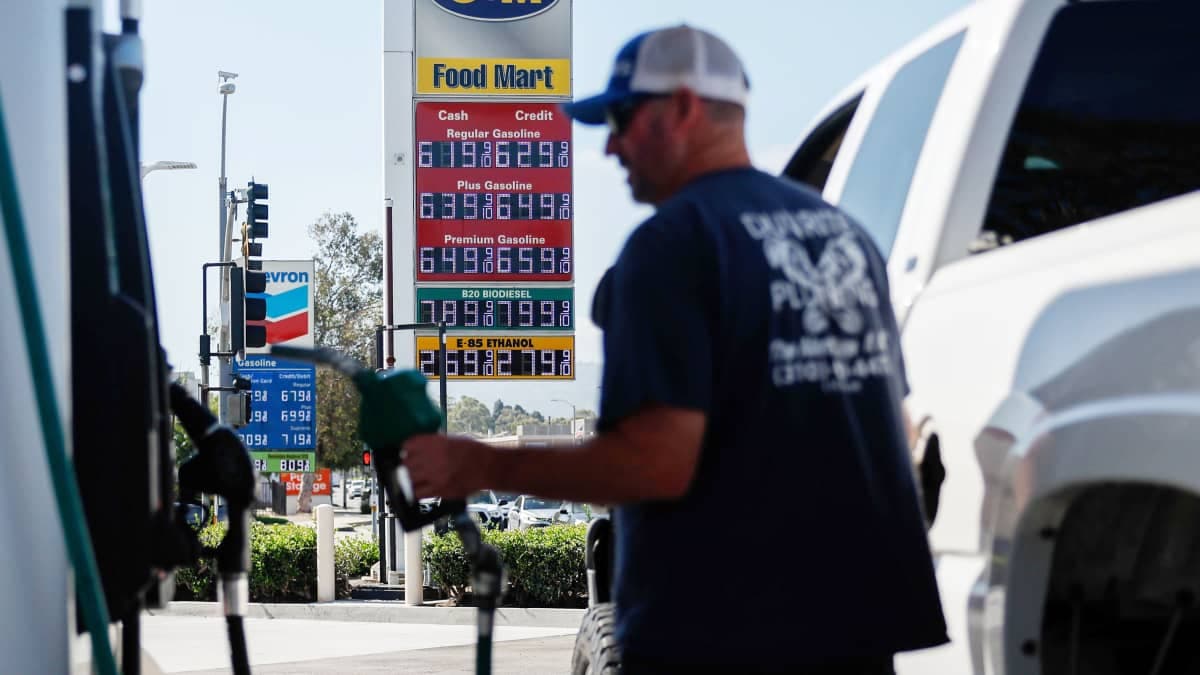
- Gasoline rose 9.1% for the month and 34.2% for the year, accounting for more than half of the monthly CPI increase; diesel costs about $6.29–6.30 per gallon
- The Fed in September raised rates for the first time since 2023 to 3.75%–4%; markets put the odds of a hike at the October meeting at roughly 45–54%
Inflation Data Exceeded Expectations
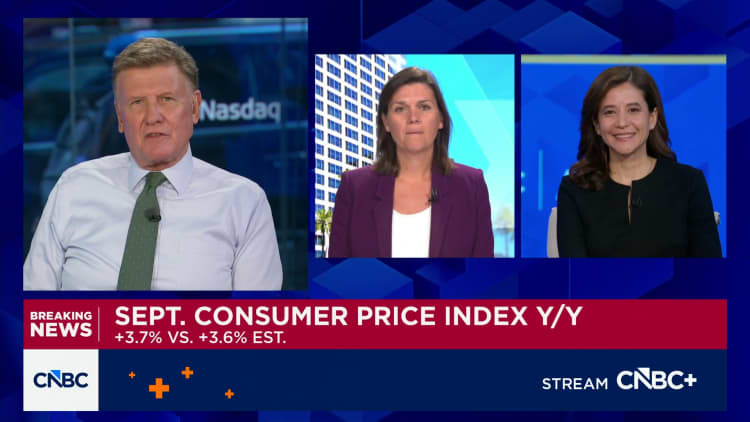
The US Consumer Price Index (CPI) rose 0.6% for the month and 3.7% year-over-year in September, the Bureau of Labor Statistics reported on Wednesday. This is above economists' forecasts (0.6% and 3.6% according to Dow Jones and FactSet polls) and above the August figure of 3.4%. Core inflation excluding food and energy was 0.3% for the month and 2.6% for the year, versus 2.4% in August and a forecast of 2.5%. Inflation remains noticeably above the Fed's 2% target: according to CNBC, it has exceeded that level since March 2021, and before the war with Iran began in February, the annual figure was 2.4% (according to ABC News).
Fuel — the Main Driver of Price Growth
The main factor behind the acceleration was energy: the energy index rose 5.2% for the month (according to CBS — 20.4% for the year). Gasoline rose 9.1% for the month, accounting for about half or more of the monthly CPI increase, and 34.2% for the year; heating oil rose 74.2%. According to AAA, the average national gasoline price was $4.33–4.34 per gallon versus $2.98 before the war began. Diesel cost $6.29–6.30 per gallon — an increase of roughly 66–68% since the start of the conflict. Expensive diesel raises transportation and production costs, affecting the prices of a wide range of goods. Airfares rose about 22–23% for the year. Moody's economist Mark Zandi called the report an 'oil story': 'The war's fingerprints are visible throughout the report.'
Other Categories and Sources of Pressure
Housing prices rose 0.4% for the month, used cars 0.7%, and clothing 0.3% (+3.4% for the year), which is linked to tariffs. Food prices were unchanged for the month (+2.5% for the year); according to CNBC, groceries even fell 0.1%, and beef fell 1%, which Zandi partly attributed to the temporary removal of beef tariffs announced by Trump in August. Economists also highlight the contribution of the Trump administration's tariffs, chip demand from AI infrastructure construction (Apple and Microsoft have already raised device prices), and Russia's war with Ukraine, which affects diesel prices due to strikes on Russian refineries. According to RBC, toys and other imported recreational goods showed the largest monthly changes in the history of observations.
Market and Fed Reaction
After the data was released, US stock futures reversed downward and bond yields rose sharply: two-year Treasuries added 13 basis points to 4.93%, ten-year — about 8 points to roughly 5.3%. Gold fell more than 1.7% to $4,105.50 per ounce, silver — more than 4% to $56.91. Brent traded around $105.70 per barrel, WTI rose 1.4% to $95.50. The Fed in September raised rates by 0.25 percentage points for the first time since 2023, to a range of 3.75%–4%. Fed Chair Kevin Warsh said at the time: 'The simple truth is that inflation is too high and has remained so for too long.' Markets put the probability of a hike at the October 27–28 meeting at roughly 45% (ABC) or 54% (CNBC, citing CME FedWatch); the probability of a hike by the end of the year exceeds 96%. A number of Fed members are open to a pause, but most expect one more hike this year. Capital Economics noted that the market raised its estimate of the probability of an October hike from 20% to 50% after the data.
Political Context Ahead of the Elections
The data came out less than a month before the midterm elections in early November, where the affordability of goods and services is considered one of the top issues for voters. According to an AP-NORC poll, only 17% of American adults approve of President Donald Trump's handling of the cost of living, and his overall economic approval rating is 26% — a new low. According to a CBS poll, nine out of ten Americans call prices the most important factor in their views on the economy. The University of Michigan Consumer Sentiment Index fell in September to its second-worst reading on record. Social Security announced a 3.6% cost-of-living adjustment (COLA) for 2027, but according to an AARP poll, 76% of respondents consider that level insufficient.
State of the Economy
Despite inflation, some economic indicators remain resilient: GDP grew in the quarter ending in June, and consumer spending rose 0.6% in August — the largest monthly increase since March 2025. However, employment data showed a sharp slowdown: in September the economy added only 29,000 jobs versus 162,000 in August, well below expectations. Oil exports from the Persian Gulf have improved in recent weeks, but elevated shipping costs and risks are keeping fuel prices high. According to an analysis by Wells Fargo Investment Institute, even after the full reopening of key waterways, lost refining capacity could delay the decline in energy prices until mid-2027, and inflationary pressure will likely push the Fed to keep raising rates until spring 2027.