The key facts
- Emissions in France fell by 4.1% in the first half of 2026 (Citepa); a 2.8% reduction is expected for the year — about 10 million tonnes.
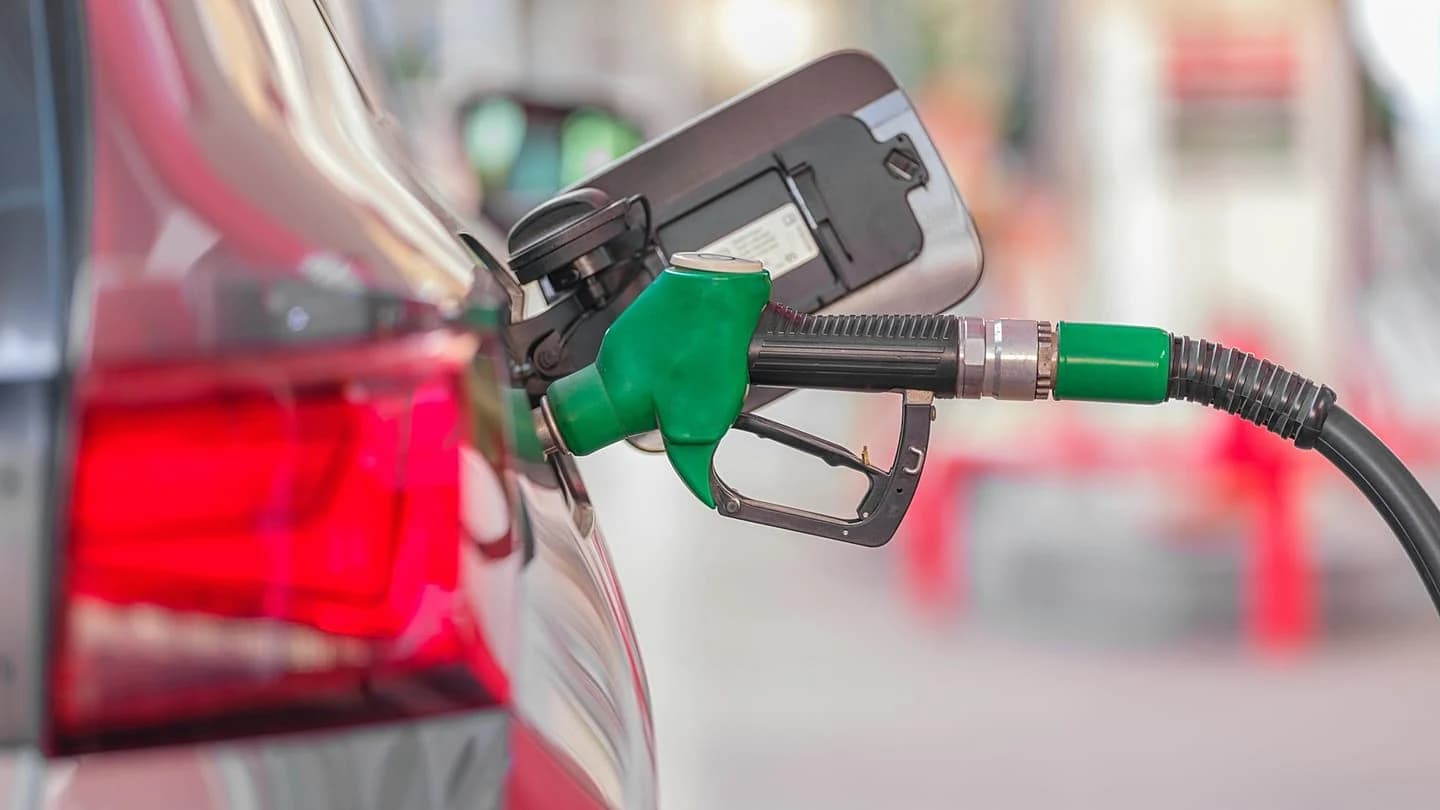
- Diesel rose in price by 45% due to the war in Iran and the blockade of the Strait of Hormuz; diesel sales fell by 7.3%, transport emissions by 4.5%.
- Carbon Brief, citing the IEA, allows for the first global decline in fossil fuel emissions since 2020 — roughly 0.5%.
Emissions decline amid expensive fuel
France is recording a noticeable reduction in greenhouse gas emissions, but, as Euronews writes, it has been achieved largely at the expense of consumers. According to Citepa, the organization that tracks air pollution and emissions in the country, emissions fell by 4.1% in the first half of 2026. The cause was a sharp rise in fuel prices caused by the war in Iran: the population began buying less diesel fuel and reduced household gas consumption. For the year as a whole, France is expected to cut emissions by 2.8% compared with 2.1% in 2025 — about 10 million tonnes in absolute terms.
The pace is not enough for the 2030 goals
Despite the progress, the pace of reduction remains below what is needed. France aims to halve emissions by 2030 compared with the 1990 level, which requires an annual reduction of about 5%. Minister for Ecological Transition Monique Barbut called the decline 'encouraging', but, according to AFP, acknowledged that it is 'still not enough to achieve our climate goals'.
The role of diesel prices and household gas
The main factor in the reduction was the rising cost of motor fuel: since the beginning of the year, diesel has become 45% more expensive after hostilities in Iran paralysed oil supplies through the Strait of Hormuz. In the first half of the year, diesel sales fell by 7.3%, and transport emissions decreased by 4.5%. Emissions from households and commercial facilities fell by 12% — mainly due to reduced use of natural gas for heating, water heating and cooking.
The trend may not hold
According to Citepa's forecasts, emissions will fall by only 1.3% in the second half of the year, partly because France is increasing the use of gas-fired power plants to supply electricity to neighbouring countries. By the end of the year, emissions from the energy sector are expected to grow by 3.6%, despite the decline in transport and other sectors.
The picture in Europe and the world
In Germany, emissions fell by about 2% in the first half of 2026 amid declining oil demand, but the think tank Agora Energiewende warns that the country may exceed its annual limit by about 10 million tonnes — for the first time since the climate law was adopted in 2019. High energy prices have pushed Europeans towards alternatives: heat pump sales in France, Germany and Poland grew by 25% in early 2026, electric vehicle sales also rose sharply since the start of the war, and solar energy, by estimates, saved the EU 37.4 billion euros on gas imports since February. In China, oil consumption fell by 9% in the second quarter, and CO2 emissions by 1%; the publication notes that for the first time the drop in emissions in the country is linked to oil rather than coal.
Possible first global decline since 2020
A Carbon Brief report based on IEA forecasts allows that global CO2 emissions from fossil fuels will fall by about 0.5% this year — which would be the first annual decline since 2020, when emissions dropped sharply due to lockdowns. The IEA expects oil demand to rise after the war ends, but, according to the agency, the spread of solar and wind energy, nuclear power, electric vehicles and heat pumps may keep fossil fuel consumption at a lower level even after prices stabilise: in 2025, these technologies, according to the IEA's estimate, prevented the emission of about 3 billion tonnes of CO2.


