The key facts
- Hungary lifted its veto; the EU opened two more clusters — four of six in total.
- The agreement followed changes to the minorities law; the Russian language remained outside the new guarantees.
- A Zelensky–Magyar meeting in Brussels is being worked on but has not been confirmed.
Breakthrough in Ukraine's EU accession talks
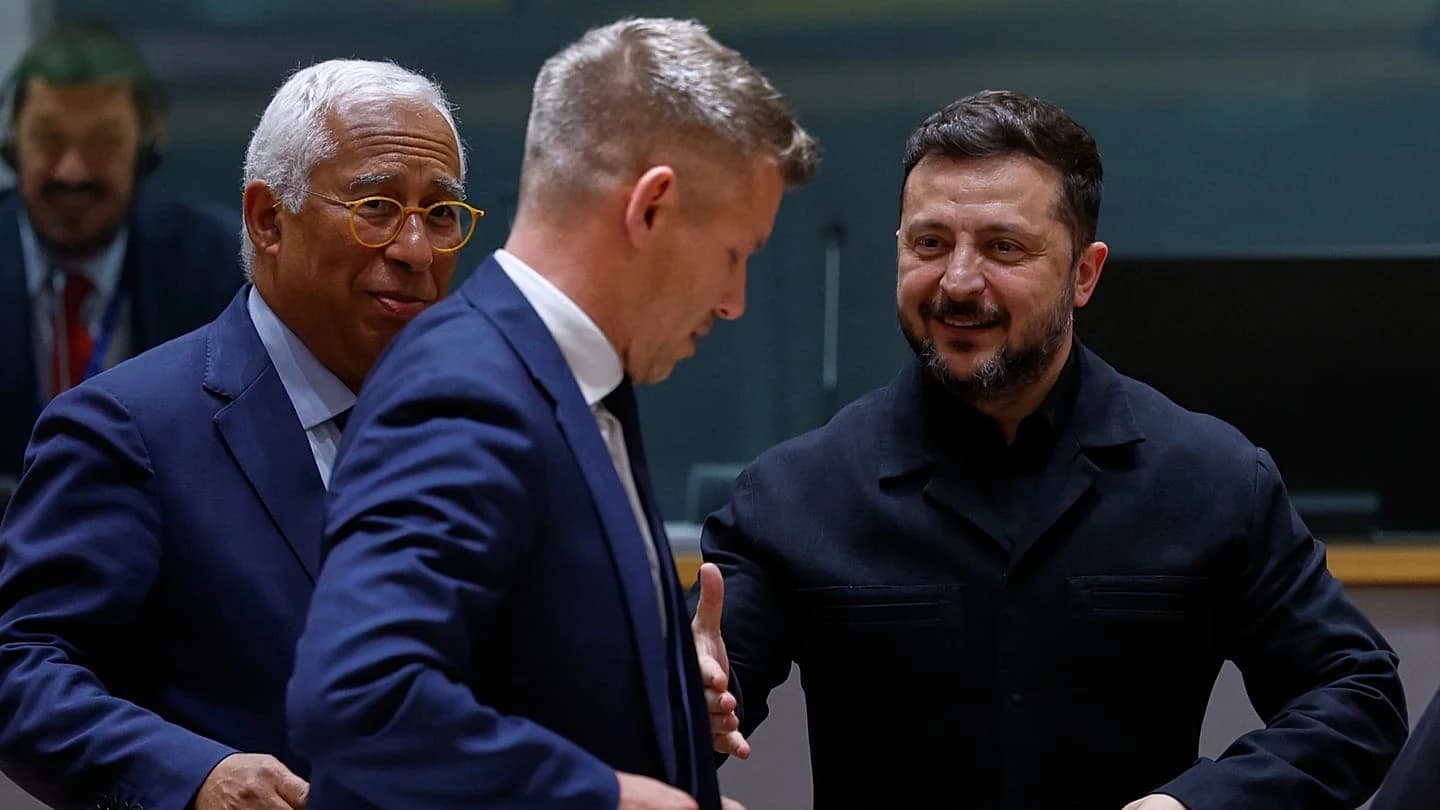
The EU Council agreed to open two additional clusters of accession negotiations with Ukraine after Hungary lifted its veto. The total number of opened clusters has reached four out of six. The decision was preceded by an agreement on the rights of the Hungarian national minority in Ukraine — a long-standing demand of Budapest. According to Euronews sources, the breakthrough may pave the way for the first bilateral meeting between Ukrainian President Volodymyr Zelensky and Hungarian Prime Minister Peter Magyar in Brussels this week, on the sidelines of the EU summit. Diplomats from the two countries are working on organizing it, but no date has been set and the meeting has not been officially confirmed. Magyar himself allowed for such a possibility in an interview with the media over the past weekend.
Background of the dispute
Hungary, since the Ukrainian education and language laws were adopted in 2015 and 2017, has criticized them for restricting the use of minority languages in schools. Under Viktor Orban, Budapest blocked Ukraine's progress toward EU membership. After Magyar's victory in the April elections, the new government took a more pragmatic position: it seeks guarantees for the Hungarian minority but signals its readiness not to obstruct Ukraine's European integration. In June, Budapest agreed to open the first two clusters, conditioning further progress on strengthening legal guarantees for ethnic Hungarians. After talks with Hungarian Foreign Minister Anita Orban in Luxembourg, Ukrainian Foreign Minister Andriy Sybiha said the parties had agreed on further steps and noted progress in fulfilling bilateral obligations.
What the new minorities law changes
A key provision establishes a special legal status for schools where more than half of the students are taught in a minority language that is an official EU language. Schools that receive this status when the law enters into force retain it as long as at least 20% of students continue studying in that language. The law expands the use of minority languages in educational activities and communication, adds guarantees of instruction in one's native language when schools are reorganized or closed, and students will be able to request translated questions in external exams, except for language and literature subjects. At the same time, Ukrainian remains the language of state education. The changes build on the 2023 reforms and extend protection to minorities whose languages are official EU languages; the Russian language remained outside the scope of the new guarantees.
Limitations and next steps
The opening of clusters does not guarantee membership: Kyiv still has to carry out large-scale reforms, and the closure of each cluster requires the unanimity of all EU countries. Even with Hungary's grievances settled, other states may obstruct progress. Agriculture is expected to be one of the most contentious issues: a number of member states fear that integrating Ukraine's large agricultural sector into the EU's Common Agricultural Policy will create pressure on European farmers, subsidies and market competition. The outlet characterizes the Kyiv–Budapest agreement as a significant diplomatic success, ending a protracted dispute between the neighbors.


