The key facts
- Two vessels were attacked by drones off the coast of Bulgaria on October 13, 2026; HS Dignity sank, 11 people are missing, five were rescued (preliminary data).
- The crew of Chelsea 3 — 15 people (seven Ukrainians, eight Azerbaijanis) — was rescued; the vessel was hit by three aerial drones.
- Radev summoned Russia's ambassador Eleonora Mitrofanova; NATO, the EU and Ukraine responded with statements; Russia did not comment on the incident.
Attack off the Bulgarian coast
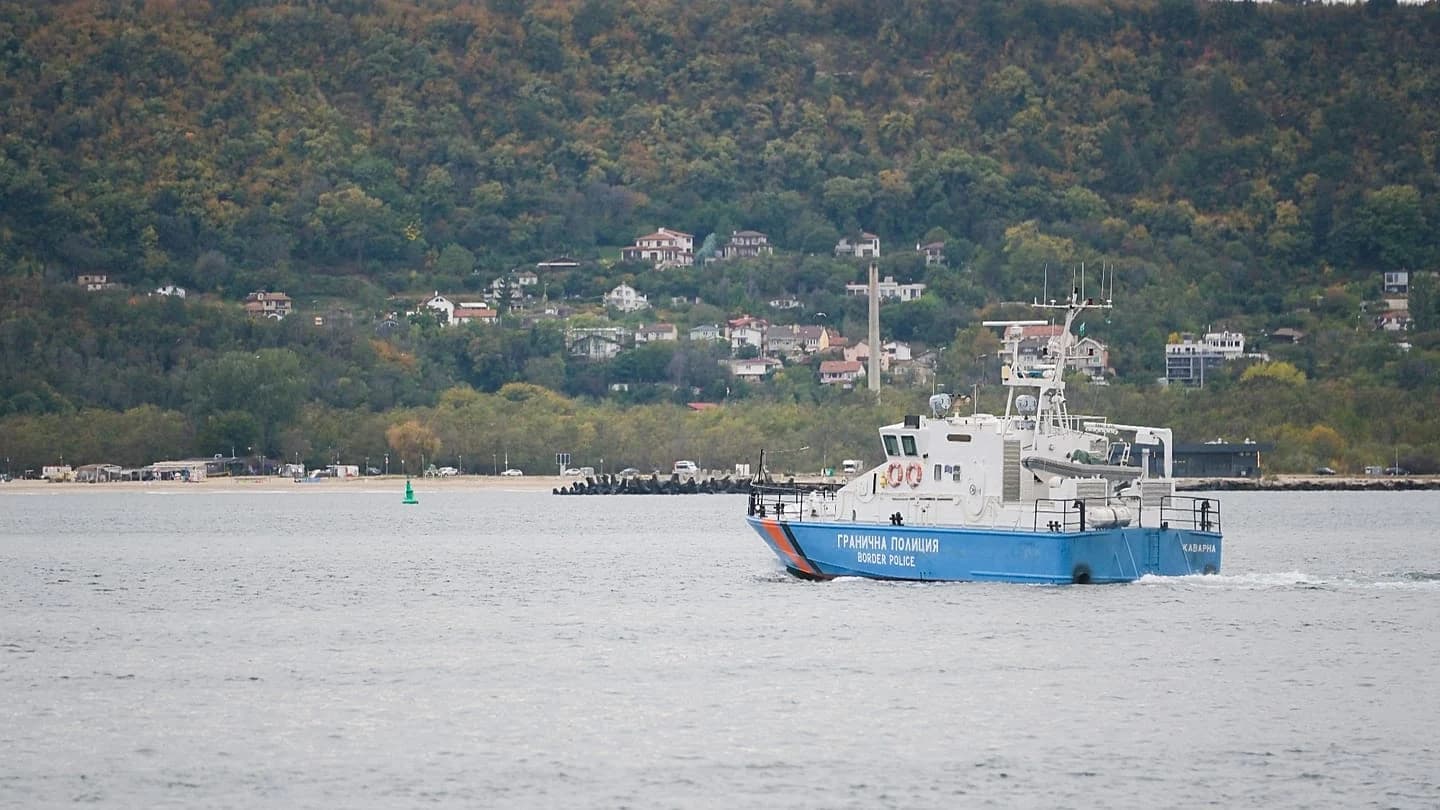
On Tuesday, October 13, 2026, two commercial vessels were attacked by drones in the Black Sea off the coast of Bulgaria. According to Bulgarian Prime Minister Rumen Radev, the Ukrainian-owned vessel Chelsea 3, flying the flag of Malta, was hit by three aerial drones 18 nautical miles from the town of Byala; shortly afterwards, a second vessel was attacked and sank. The Bulgarian Presidency later identified it as HS Dignity — a cargo vessel flying the flag of Guinea-Bissau, en route to the Romanian port of Brăila. It sank 17 nautical miles east of the Bulgarian town of Krapets. According to the press secretary of the northeastern region of Dobrich, citing the rescue coordination centre, five people were rescued and 11 are missing — this is preliminary information. In a video address, Radev said one crew member of the sunken vessel had been rescued, without specifying the fate of the others. All 15 crew members of Chelsea 3 — seven citizens of Ukraine and eight citizens of Azerbaijan — were evacuated; five required medical assistance for minor injuries. According to the Russian version of Euronews, the attacks occurred 27–29 kilometres from the Bulgarian coast.
Reaction of Bulgaria, NATO and the EU
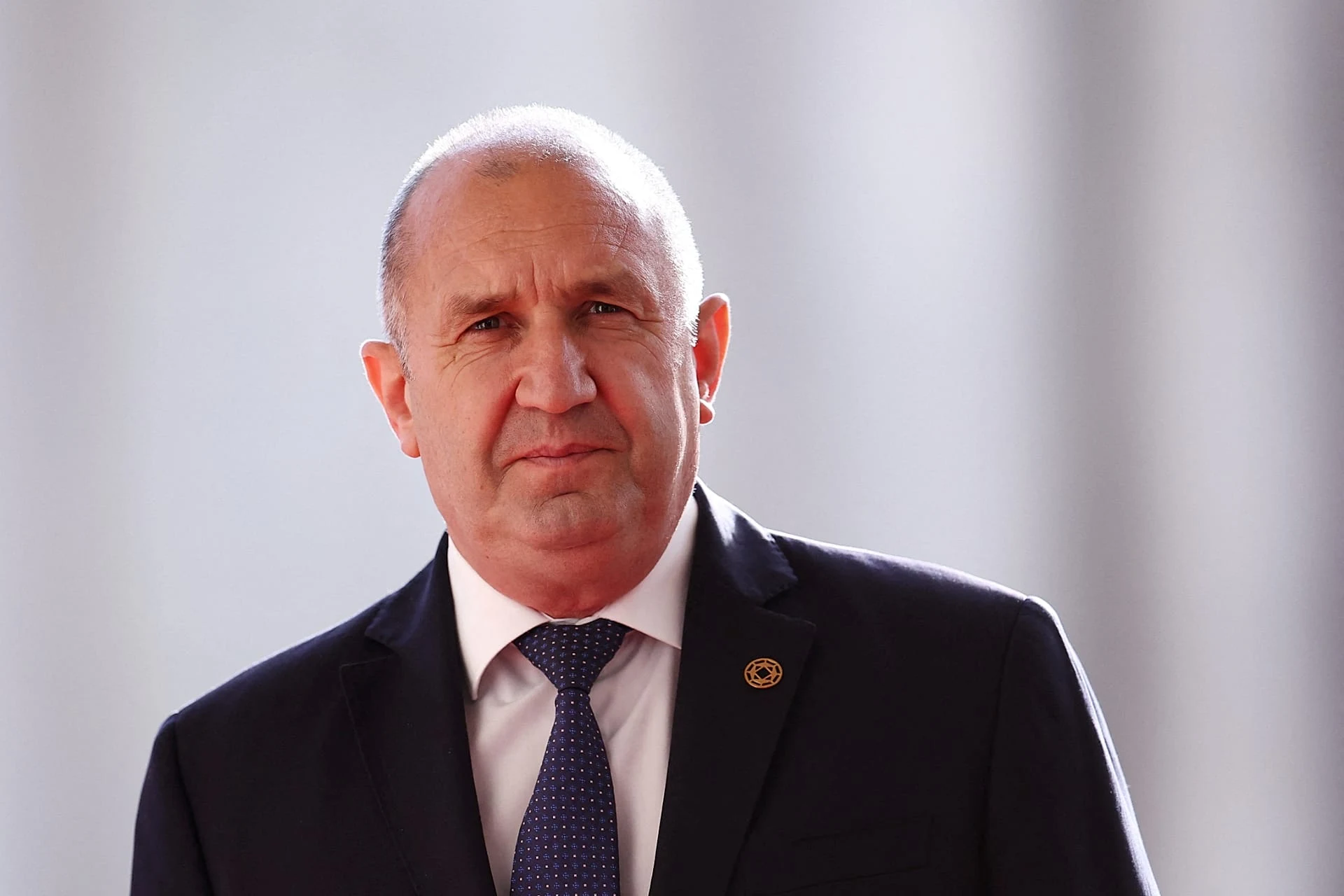
Radev convened an emergency meeting of Bulgaria's Security Council, called the attacks “completely unacceptable” and said the country is seeking assistance from NATO and the EU. He summoned Russia's ambassador to Bulgaria, Eleonora Mitrofanova, for a conversation. According to him, the authorities have no “firm, clear evidence” to accuse any specific party, however “logic suggests that the outcome works to the benefit of the Russian Federation.” NATO Secretary General Mark Rutte, after speaking with Radev, wrote that the alliance will continue to work closely with allies in the Black Sea, has already strengthened its presence on the eastern flank and will “adjust deterrence and defence measures as necessary.” European Commission President Ursula von der Leyen strongly condemned the attacks, calling the Black Sea “yet another front of escalation” in Russia's war against Ukraine, and thanked the Bulgarian rescuers. Ukraine's Foreign Minister Andrii Sybiha directly blamed Russia, saying that Moscow “deliberately disregards the lives of civilians and the safety of shipping,” and called on partners to tighten sanctions. He called the Black Sea “a vital artery for global food security.” Russia did not immediately comment on the incident.
Series of incidents in the region
The attacks came a week after a strike on two other commercial vessels in Bulgaria's exclusive economic zone: then, a vessel flying the flag of Togo sank, and a Bulgarian ferry evacuated a crew of 18 from a vessel flying the flag of Palau. Euronews notes that the attack was widely attributed to Russia, although Bulgaria said the circumstances were unclear; nine Syrians and one Egyptian remain missing. A day earlier, a Turkish cargo vessel carrying corn caught fire after a drone attack and sank off the coast of Romania. According to Romanian authorities, two people were killed and 11 crew members were rescued; the English version of Euronews reported one dead and one missing. Ukrainian President Volodymyr Zelensky said the vessel was hit by Russian drones and that Ukrainian forces did not conduct operations in the areas of last week's strikes. According to the maritime risk management group Ambrey, over the past 12 months at least 45 commercial vessels have been attacked in the eastern Black Sea in areas previously not considered high-risk zones; in the preceding 12 months no strikes were recorded there.
Black Sea security
The incidents have again drawn attention to Europe's ability to protect shipping and critical infrastructure in the Black Sea — more than a year after the EU adopted a security strategy for the region. When presenting the Black Sea Security Strategy in May 2025, the EU High Representative for Foreign Affairs Kaja Kallas warned that the region bears the consequences of Russia's full-scale invasion of Ukraine, is “a primary target for hybrid actions,” and that the EU intends to step up cooperation against cyberattacks, disinformation and other hostile actions. The strategy is aimed at the security of the maritime corridor and the protection of critical infrastructure, including offshore installations and undersea cables. It also provides for the creation of a Black Sea Maritime Security Centre to coordinate support, strengthen cooperation between coast guards and analyse data from seabed sensors with alerts to allies about threats.