The key facts
- The US Department of Justice has charged James Comey for the third time — this time over an alleged leak of national defense information in October 2016
- The US Justice Department has charged James Comey for the third time — this time over an alleged leak of national defense information in October 2016
- The case was filed as a 'criminal information' one day before the 10-year statute of limitations expired; the defense challenges the legality of this form
- On the same day, a judge ordered the reinstatement of Comey's daughter, unlawfully dismissed from the Justice Department
- On the same day, a judge ordered that Comey's daughter, unlawfully dismissed from the Justice Department, be reinstated
Third case against Comey
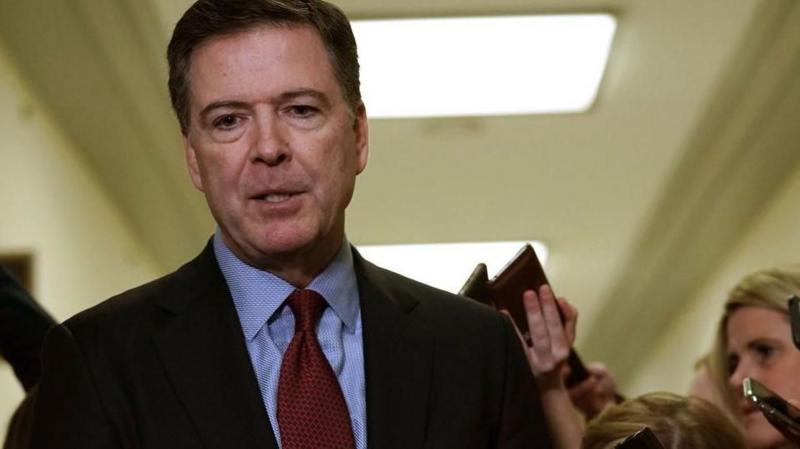
The US Department of Justice has for the third time opened a criminal case against former FBI Director James Comey, a longtime critic of President Donald Trump. According to court documents unsealed on October 26, Comey is accused of, while head of the FBI in October 2016, 'knowingly and willfully' passing information relating to national defense to a person not entitled to receive it. Prosecutors allege that Comey, through one or more accomplices, directed 'Person No. 1' to pass national defense information to a reporter at a national publication; according to the Wall Street Journal, cited by Anadolu, the information ended up in a New York Times article. The two-count charge was filed on October 5 in the US District Court for the District of Columbia and signed by Acting Deputy Attorney General R. Trent McCotter.
The substance of the charges and the statute of limitations
As Deutsche Welle notes, the case concerns an October 2016 New York Times article about a secret intelligence court orderrequiring Yahoo to scan emails for communications with a foreign terrorist organization. According to prosecutors, Comey instructed an employee to contact an NYT journalist to correct inaccuracies in a Reuters report, and this allegedly led to the unlawful disclosure of classified information. The charge was filed in the form of a 'criminal information' — a document a prosecutor submits directly, without approval by a grand jury — shortly before the 10-year statute of limitations expired. The Justice Department explained that filing exactly 10 years after the alleged leak was necessary to preserve the case while it seeks an indictment from a grand jury. Comey's defense filed a motion to dismiss the case, arguing that the law requires an indictment within 10 years and the submitted document does not meet that requirement: 'An indictment is fundamentally different from an information,' the lawyers said. Former federal prosecutor Glenn Kirschner, in a comment to the BBC assessed the chances of the case being dismissed as 'very high'.
Two earlier investigations without charges
Comey's attorney Patrick Fitzgerald noted that the alleged leak to the NYT had already been investigated twice by two different teams of prosecutors during the first Trump administration, and 'both times the authorities decided that no charges should be brought.' Deutsche Welle notes: an investigation opened in 2017 concluded in December 2018 with prosecutor John Durham recommending no charges, and a second investigation, code-named 'Tropical Vortex,' opened in 2019, was closed without charges in February 2020. Comey himself, in a video on Substack, called the new prosecution 'an outrageous abuse of the Department of Justice that we cannot become accustomed to,' adding: 'I am still innocent, I am still not afraid of these people, and I still believe in an independent federal judiciary.'
Three cases and the ruling on his daughter
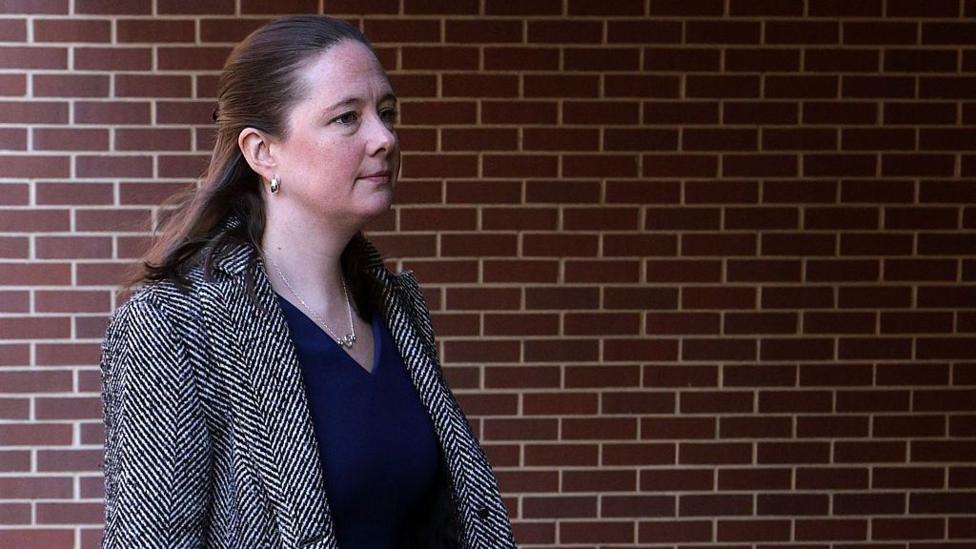
This is the third criminal case against Comey since Trump's return to the White House in January 2025. In September 2025, he was charged with making false statements to Congress and obstructing its work; a judge dismissed the case, finding that the prosecutor appointed by Trump had been appointed unlawfully. In April 2026, Comey was charged over an Instagram post showing seashells arranged in the shape of '86 47': the Justice Department interpreted it as a threat against Trump, the 47th president; Comey denies any threat, and that case is ongoing. Notably, the new charges were revealed on the same day that federal judge Jesse Furman ruled that the dismissal of Comey's daughter, Maurene, who worked as a federal prosecutor in New York and was fired in July 2025, was unlawful: she filed a lawsuit arguing that she was dismissed because of her father and her alleged political views, and the court ordered the authorities to reinstate her with back pay. AFP notes, in this context, a broader picture: since returning to office, Trump has taken a series of punitive measures against his perceived opponents, including purges of the civil service, pressure on law firms, and the withdrawal of federal funding from universities.
 Image source, Getty Images