The key facts
- Foreign investment volumes are growing thanks to large deals, but the number of new projects and cross-border deals is declining (UNCTAD, Global Investment Trends Monitor).
- Announcements of new sustainable development projects in developing countries are more than 25% below the 2025 level — according to preliminary estimates.
- More than 80% of global FDI last year went to just 20 economies (World Investment Report 2026).
Investment is growing, but projects are not
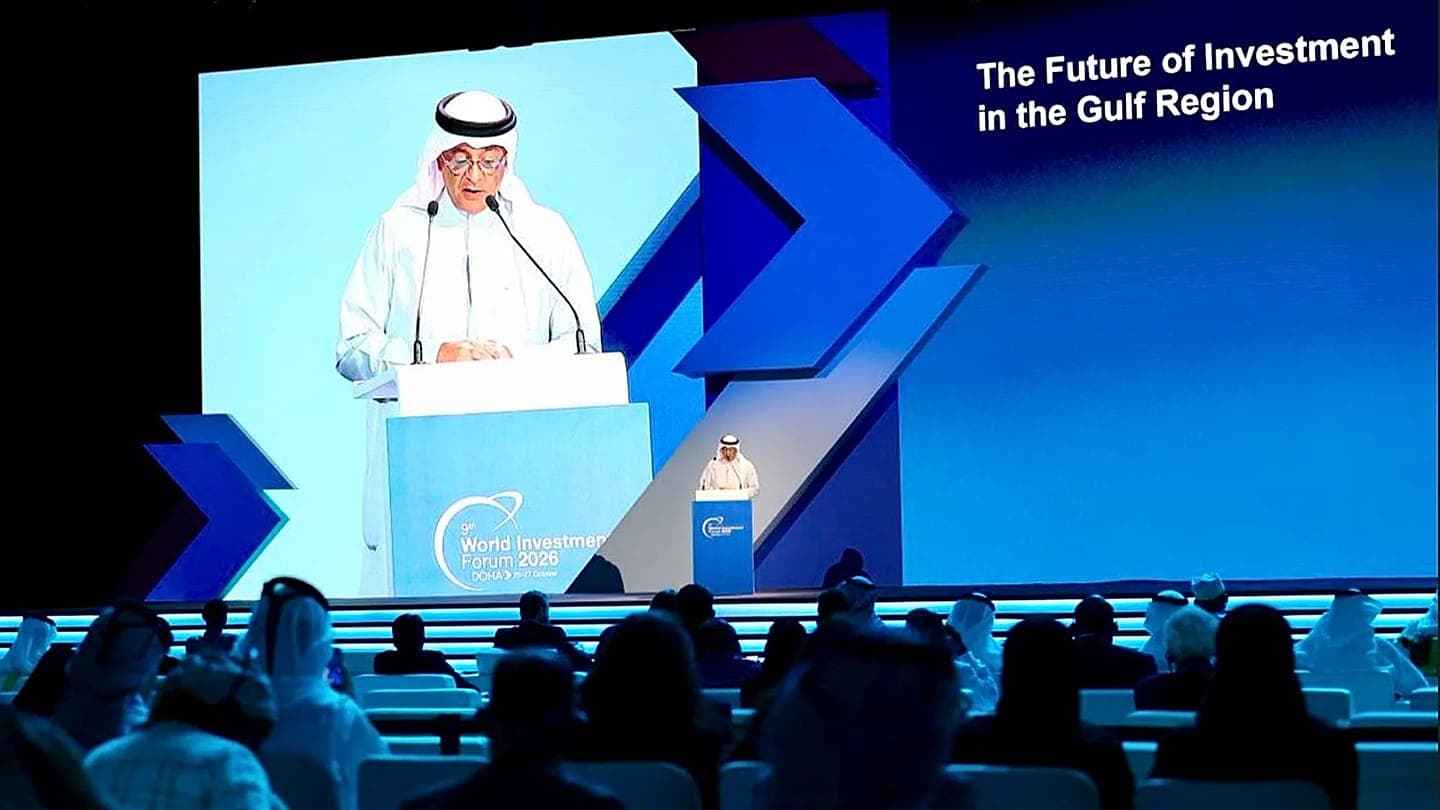
Foreign investment is increasing even though the number of new projects is declining — these figures come from a UN report presented at the World Investment Forum in Doha. The ninth forum is organized by the UN Conference on Trade and Development (UNCTAD) with the support of Qatar and runs from 25 to 27 October; there, governments, businesses and financial institutions discuss how more countries can attract investment and turn it into jobs. The Global Investment Trends Monitor published on Sunday shows that growth in overall volumes is driven by larger deals, while the number of new projects and cross-border deals is falling. According to preliminary estimates based on data for the first six to nine months of 2026, announcements of new sustainable development projects in developing countries are more than 25% below the 2025 level.
Capital concentration and investor requirements
Investment remains concentrated in relatively few countries: according to the World Investment Report 2026, more than 80% of global foreign direct investment last year went to just 20 economies. UNCTAD official Marcelo Risi explained the differences between countries to Euronews in terms of infrastructure, workforce skills and the reliability of institutions: “Investment is not a short-term matter […] you need to know what rules apply, who your partner is — essentially, the rules of the game.” According to him, tax incentives are only part of the calculation: countries also need infrastructure and a trained workforce. Mahmoud Mohieldin, the UN Special Envoy on Financing the 2030 Agenda for Sustainable Development, noted that promoting a country’s opportunities is not enough: “Governments expect a great deal from the rest of the world, but much more work is needed at home.” He pointed to barriers to entering and exiting markets, unpredictable regulation, and the need to prepare projects that investors could finance. The advantages, however, differ: Mohieldin cited the shipping and logistics of small island states, as well as Africa’s young population and natural resources.
The role of development institutions
In countries that investors consider particularly risky, public institutions can absorb part of the potential losses. Rwaida Al-Naimi, director of investments at the Qatar Fund for Development, told Euronews that the fund uses guarantees to encourage private investment while limiting its own liabilities to protect its funds, and shares financing with other organizations, working mainly through international development banks. “We do not go it alone — financing must be shared with other structures,” she said. The fund considers job creation one of the main indicators of investment impact: “In any investment project we carry out, we always make sure there is a job creation element.” The editorial takeaway from the data presented: growth in headline figures may mask a narrowing of the geography and number of projects, which for developing countries means intensified competition for a limited pool of capital and raises the importance of the business environment, infrastructure and project preparation — exactly what the forum’s experts point to. In practical terms, this shifts the focus from tax incentives to institutional reforms and risk-sharing mechanisms.