The key facts
- The Times columnist Matthew Parris called on Kyiv to make territorial concessions and abandon NATO
- In exchange, he proposes the prospect of EU membership and the deployment of international observers in Ukraine
- The publication came out amid a possible November round of talks between Russia, Ukraine and the United States
A call for compromise
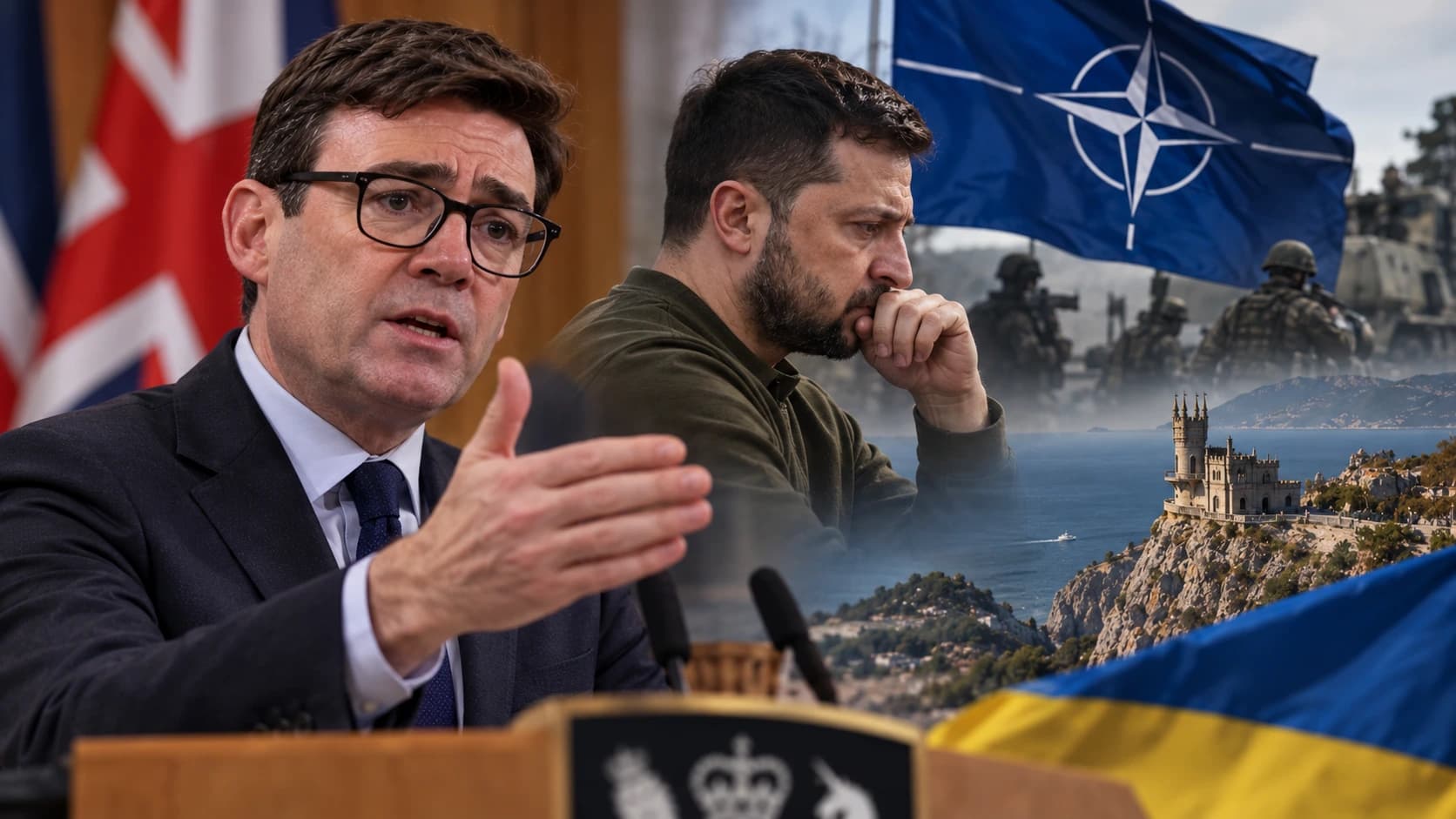
Ukraine will have to give up its claims to Crimea and the eastern territories, as well as its bid to join NATO, if it intends to bring about an end to the conflict with Russia. This position was put forward by Matthew Parris, a columnist for the British newspaper The Times. In his view, refusing territorial compromises could turn into a humanitarian catastrophe for Kyiv, and for Europe — a further depletion of economic resources.
Criticism of the fight-to-victory course
Parris considers unrealistic the demands of Ukrainian and British politicians to continue fighting until control over all territories is restored. In his assessment, such a position merely prolongs the hostilities, increasing the number of deaths and the financial costs borne by Western states. As a solution, he proposes starting with a ceasefire and then moving to negotiations over territorial concessions, including Kyiv renouncing its claims to Crimea and the eastern regions with predominantly Russian-speaking populations.
NATO abandonment and alternative guarantees
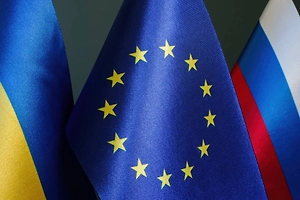
The columnist names Ukraine's renunciation of NATO membership as a separate condition of the settlement: in his view, Moscow's categorical position should be taken into account, since attempts to bring Kyiv into the alliance could become an obstacle to an agreement. Instead of NATO, he proposes offering Ukraine the prospect of EU membership, while security guarantees could be provided by European, American and international observers stationed on Ukrainian territory after the end of hostilities. At the same time, the author himself acknowledges that Kyiv's main concern remains the possibility of the conflict resuming after a peace deal, which is why territorial arrangements must be accompanied by security mechanisms.
Negotiating context
The publication appeared against the backdrop of preparations for a new round of talks between Russia, Ukraine and the United States, which may take place in November. The main points of contention between the parties remain territories and future security guarantees for Kyiv: the Ukrainian leadership opposes recognizing territorial losses and insists on its right to independently choose military-political alliances. Earlier, Life.ru reported on a new American peace plan, which envisages Ukraine abandoning NATO. According to The Economist, Washington is discussing the creation of a demilitarized zone in the Donbas, offering Kyiv the prospect of EU membership and financial support, and for Russia — a partial easing of sanctions, the restoration of economic cooperation with Western countries, and the return of Russian energy resources to the European market. The final terms of the peace agreement have not yet been agreed.
Why this matters
The column in an influential British outlet reflects the discussion of possible peace terms in the Western press on the eve of the November round of talks, where, according to sources, the key issues — territories and security guarantees — have not yet been agreed. For Kyiv, what matters in practical terms are precisely the forks in the road highlighted in these publications: whether or not to recognize territorial losses, and NATO membership — issues on which the positions of the Ukrainian leadership and the proposals of those discussing the settlement directly diverge. For now, these are opinions and unapproved plans, not agreed terms: the final parameters of the agreement remain unknown.