The key facts
- Defence Secretary Wes Streeting: adversaries could be ready to attack by 2030, leaving Britain 'just over 1,000 days' to prepare
- The 'Be Ready' campaign has been launched: households are advised to keep three days' worth of water, food and cash
- The authorities stress that the campaign is aimed at strengthening resilience, not a response to any specific intelligence
Streeting: Britain has just over 1,000 days to prepare
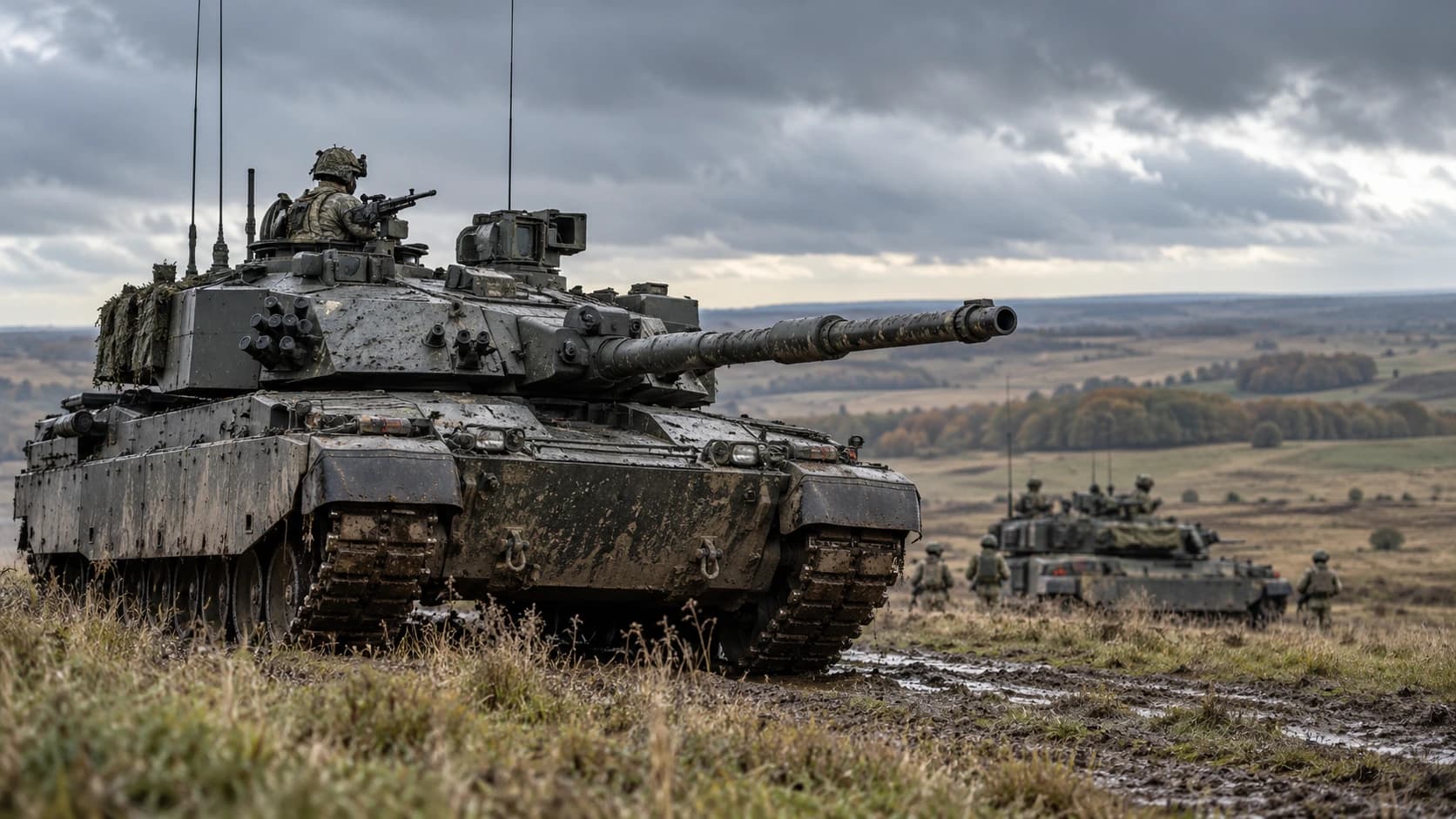
UK Defence Secretary Wes Streeting has warned that the country must be ready to 'fight and win a war' within the next 1,000 days, as hostile states build up their military capability. In a column for The Telegraph on Saturday, he wrote that Britain's adversaries could be ready to attack by 2030, leaving the country and its NATO allies just over three years to prepare. 'Our adversaries' readiness to harm us is not new. What has changed is their capability. By 2030, their military strength and military economy may allow them to attack. That gives us just over 1,000 days to accomplish our task: to be ready, together with our allies, to fight and win a war,' the newspaper quotes him as saying. According to him, his defining priority is the country's readiness for war.
The spectrum of threats and the 'Be Ready' campaign
Streeting, as reported by Anadolu, warned of growing threats from hostile states, cyberattacks, organised crime and climate change, including risks to critical infrastructure. Speaking on the BBC, he said Britain is facing a level of threat greater than 'for most, if not all, of my life.' The warnings coincided with the launch of the government's 'Be Ready' campaign, which advises households to keep three days' worth of essential supplies in case of a national emergency: bottled water, non-perishable food, cash and other items. The government stressed that the initiative is aimed at strengthening national resilience and is not a response to any specific intelligence warning. According to The Mirror, Streeting called for households and businesses to be asked whether they are prepared and know how to respond to possible everyday challenges, adding that the threats are 'not hypothetical but real, and not somewhere else but increasingly here.'
Cyber incidents and the wildfire response plan
The government cited a recent software security incident involving PHP as an additional argument for preparedness: vulnerabilities disclosed on Wednesday prompted governments and companies around the world to harden their systems, triggered millions of hacking attempts and led to the outage of some services. Streeting warned that cyber incidents could become more frequent, as artificial intelligence makes it easier for attackers to bypass traditional defences. Prime Minister Andy Burnham, according to Anadolu, also called for a more proactive approach to emergencies: at a meeting on wildfire response, he said Britain had previously acted 'reactively' and announced a new wildfire response plan involving the use of military aircraft. 'This is not about panic. It is about sensible measures — having enough at home to get through a difficult situation,' he told the BBC. It is noted that the British recommendations echo the European Commission's March 2025 call for EU citizens to keep 72-hour emergency kits with food, water, cash and power banks. Editorially, it is notable that the government is linking military readiness and household preparedness into a single national resilience agenda — from cyberattacks to wildfires — although, by its own admission, the campaign was not prompted by any specific intelligence.