The key facts
- With 36.77% of polling stations processed, Bolsonaro has 50.32% (22,801,808 votes) against 49.68% (22,515,641) for Lula — a gap of 286,167 votes
- Voting was extended until 7:00 p.m. by Justice Cristiano Zanin after petitions from both campaigns: transport disruptions and heavy rains in the south
- The Bahia court ordered the arrest of Salvador's mobility secretary Pablo Souza over the reduction in bus service
Bolsonaro leads by a narrow margin
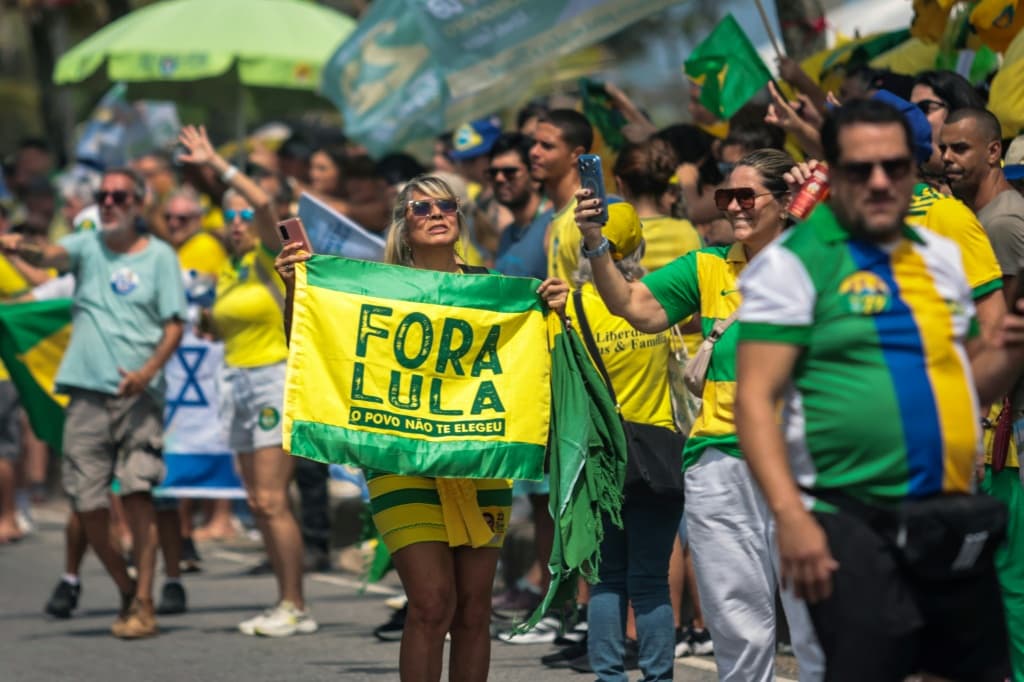
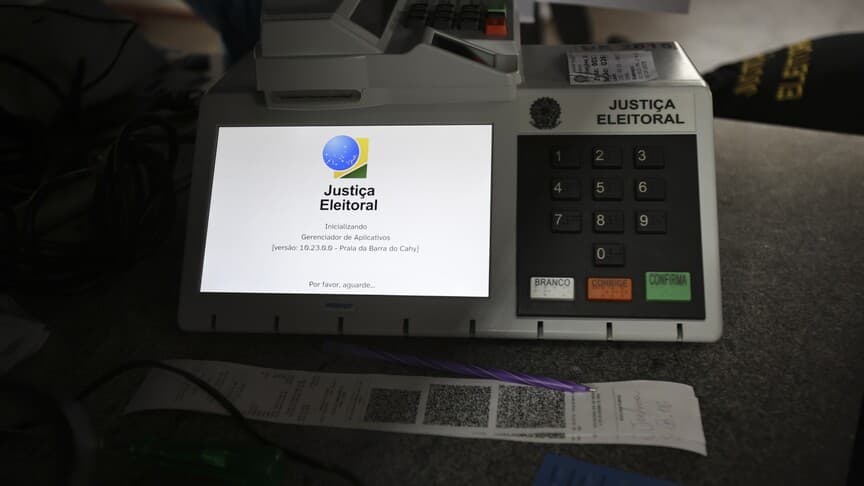
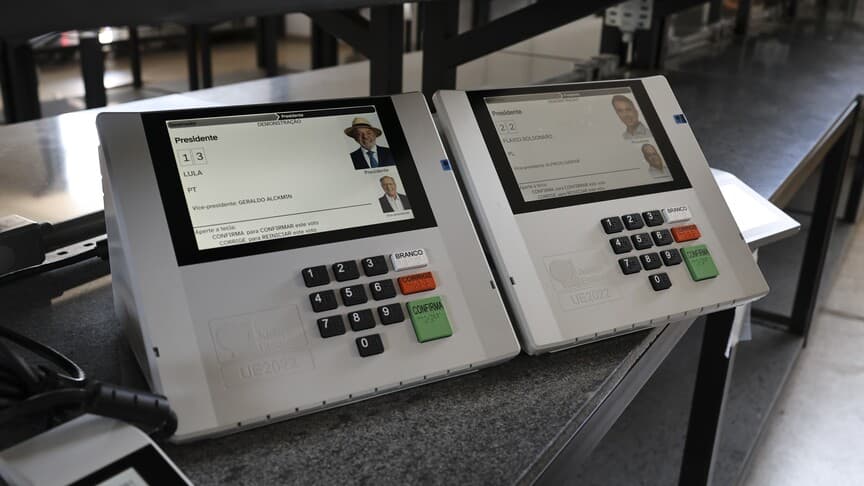
In Brazil's presidential election, Senator Flávio Bolsonaro holds a minimal lead over incumbent President Luiz Inácio Lula da Silva as second-round votes are counted. According to the Superior Electoral Court (TSE), as of 8:14 p.m. Brasília time, with 36.77% of polling stations processed, Bolsonaro had 50.32% of valid votes (22,801,808 ballots) against 49.68% (22,515,641) for Lula. The gap stands at 286,167 votes, with 183,585 of 499,248 polling stations counted. Anadolu reports this.
Voting extension and confusion at polling stations
Voting ended at 7:00 p.m. local time — two hours later than the original schedule — following an emergency ruling by Federal Supreme Court Justice Cristiano Zanin. The extension came after separate petitions from both candidates' campaigns: Lula's camp cited serious disruptions to public transportation in a number of cities, while Bolsonaro's camp cited heavy rains in the southern states. Bolsonaro's Liberal Party had requested extending voting until 7:00 p.m. in 17 municipalities in the states of São Paulo, Paraná and Santa Catarina due to torrential rains, floods, blocked roads and power outages. The decision caused confusion in many municipalities, since some polling stations had already closed at 5:00 p.m.; Zanin then clarified that the extension applied only to stations still open. The TSE, which had begun publishing preliminary results at 5:00 p.m., suspended the count until the extended voting ended.
Transport dispute in Salvador
Lula's campaign initially asked to extend voting in major metropolitan areas, including Salvador and São Paulo, due to reduced transport service, and then sought a nationwide extension. In Salvador, municipal authorities reported that at least 75 buses were unable to leave their depots. Salvador's city hall said union workers had placed stickers with the Workers' Party (PT) logo and the candidate number 13 on the vehicles, prompting operators to pull the buses off the roads to avoid violating campaign advertising rules. The Regional Electoral Court of Bahia ordered the arrest of Salvador's mobility secretary Pablo Souza, deeming that the reduction in bus service could constitute an electoral offense, and demanded the full bus fleet be returned. The order has not been carried out, as Souza is in Paris on an official visit; city officials said he is expected to return to Brazil on Monday.
Election context
The second round features Lula, 80, seeking a fourth non-consecutive presidential term, and Bolsonaro, 45, the son of former President Jair Bolsonaro. In the first round on October 4, Bolsonaro came first with 47.03% of valid votes against 45.16% for Lula, but neither reached the required majority. Nearly 159 million registered voters were eligible to vote. Pre-runoff polls showed a statistical tie. In an address, Lula urged voters not to leave the lines: According to Anadolu's assessment, the election is taking place against the backdrop of a shift toward conservative governments in parts of Latin America, and its outcome will determine who will govern the region's largest country in 2027–2030.
Why it matters
The outcome of the runoff will determine the leadership of Latin America's largest country for the 2027–2030 period, and the narrow gap of 286,167 votes with only a third of polling stations processed means the result is still undecided. The voting extension and the arrest of a senior Salvador official on suspicion of an electoral offense point to potential disputes over the legitimacy of the result. In practical terms, this means the final TSE figures and possible legal challenges will be the key events of the coming hours and days.