The key facts
- 27 candidate pairs are competing in the first round; polls show none gaining an absolute majority
- 27 candidate pairs are taking part in the first round; according to polls, none is gaining an absolute majority
- Yotova — 41–47% (44.5% per Alpha Research), Gyurov — 26.1–31%, Kostadinov — 10.5–13%
- The campaign has focused on drone attacks in the Black Sea, energy prices, and attitudes toward the war in Ukraine
- The campaign has focused on drone attacks in the Black Sea, energy prices and attitudes toward the war in Ukraine
Voting and candidates
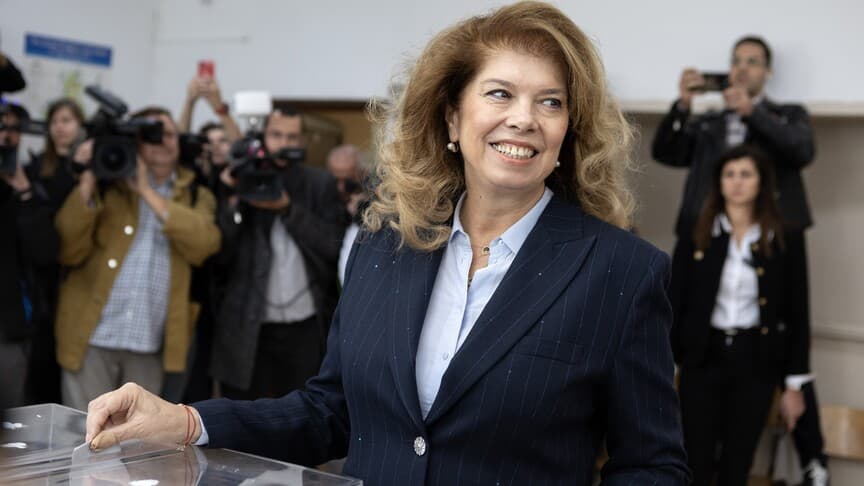
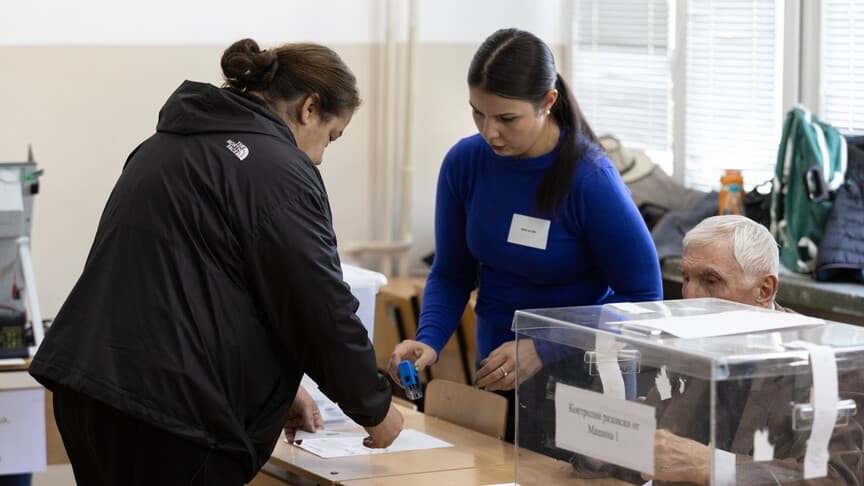
On October 25, Bulgaria holds the first round of its presidential election. Polling stations opened at 07:00 local time and close at 20:00; if there are queues, voting may be extended until 21:00, the Central Election Commission reports. About 6.5–6.6 million citizens are eligible to vote (media figures differ slightly: Anadolu reports 6.5 million, Life.ru — 6.6 million). More than 12,000 polling stations are operating within the country, and 613 stations in 60 countries are open for Bulgarians abroad. 27 pairs of presidential and vice-presidential candidates are competing for the post; according to Deutsche Welle, nearly half of them openly support the Kremlin.
Balance of power
According to polls, no candidate can win in the first round. The frontrunner is incumbent president Iliana Yotova: Alpha Research (as cited by BTA) gives her 44.5%, while polls cited by Deutsche Welle and euronews give her 41–47%. She is followed by former caretaker prime minister Andrey Gyurov with 26.1% per Alpha Research and 28–31% in other polls. Third is Kostadin Kostadinov, leader of the pro-Russian far-right party Vazrazhdane, with 10.5–13%. Yotova, a former Member of the European Parliament and vice president during both of Radev's terms (2016 and 2021), took over the country in January after Rumen Radev's resignation, as he moved into parliamentary politics; her candidacy is backed by the ruling Progressive Bulgaria party. Gyurov, a former deputy governor of the central bank and caretaker prime minister from February to March 2026, relies on the pro-Western opposition and, according to euronews, signed a security agreement with Kyiv during his premiership. If Yotova wins, she will become the first female president in Bulgaria's history.
Rules and timing
To win in the first round, a candidate needs more than 50% of valid votes with turnout above 50% of registered voters. Forecasts point to turnout below 40%, so a second round on November 1 is considered highly likely; Yotova and Gyurov are seen as almost guaranteed participants. Official results: the Central Election Commission, according to Anadolu, will announce the results within three days, Life.ru names October 27 as the date, while Deutsche Welle says within 48 hours after voting ends. The president is elected for five years, for a maximum of two consecutive terms.
Campaign themes
The campaign revolved around the war in Ukraine and security in the Black Sea: this month, off Bulgaria's coast, drones reportedly struck four merchant ships, and Starlink satellite internet antennas were set on fire near Sofia. Radev's government refused to directly blame Moscow for the incidents, although the prime minister himself said the attacks appear to benefit Russia and summoned the Russian ambassador; the strikes, as Deutsche Welle notes, raised concerns about Russia's intentions to escalate the conflict. Bulgaria has requested EU and NATO assistance in investigating the attacks on ships and strengthening maritime security. Other key themes are rising energy prices and inflation (hitting rural residents especially hard), corruption, and hopes for a stable government after a series of elections and coalition collapses. The candidates differ on the war: Yotova advocates dialogue with Moscow and opposes military aid to Kyiv, while Gyurov is a harsh critic of Radev's foreign policy and supports a Euro-Atlantic course. The post of president in Bulgaria is largely ceremonial, but the head of state appoints caretaker governments in crises, serves as commander-in-chief, and can veto laws.
Political context
The election is the first major test for Radev's Progressive Bulgaria party after its victory in the parliamentary elections in April, after which he formed a government in May. Already as prime minister, Radev backed the Russian-American diesel deal, explaining it as necessary to reduce fuel costs in Europe (according to Life.ru). According to assessments by Deutsche Welle and euronews, a victory for Yotova would strengthen Radev's position, as he also advocates dialogue with Moscow. The editorial conclusion from the facts presented: the vote will in effect become a referendum on the foreign policy course of the country — an EU and NATO member — while the polling picture makes the outcome of the second round on 1 November the main event that will determine whether Radev's line remains in power.