The key facts
- Judge Angelec Lett ordered Trump to testify under oath by December 11, or face sanctions including dismissal of the case
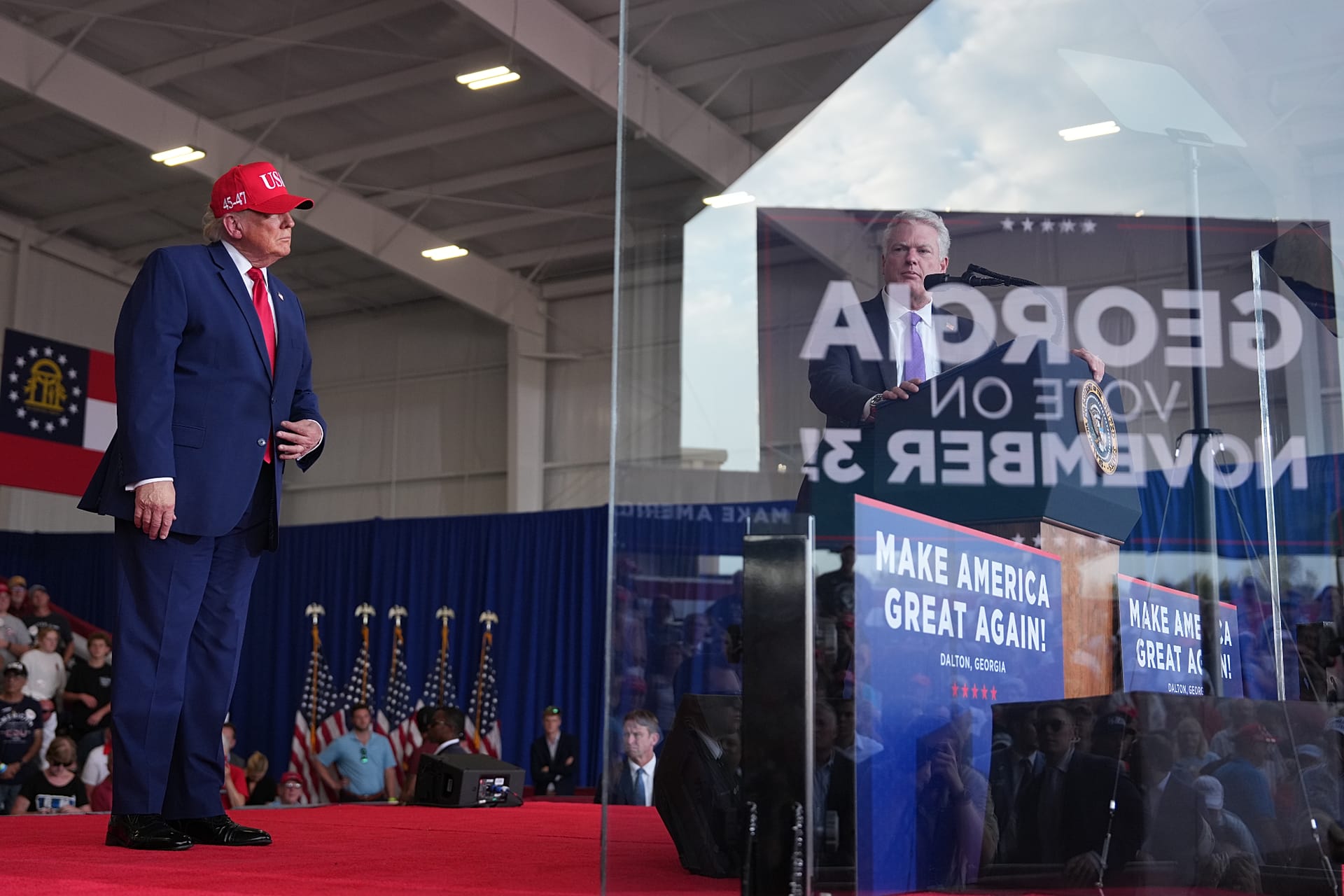
- Trump canceled the October 16 deposition citing 'matters of national importance,' but that day attended a campaign rally in Georgia
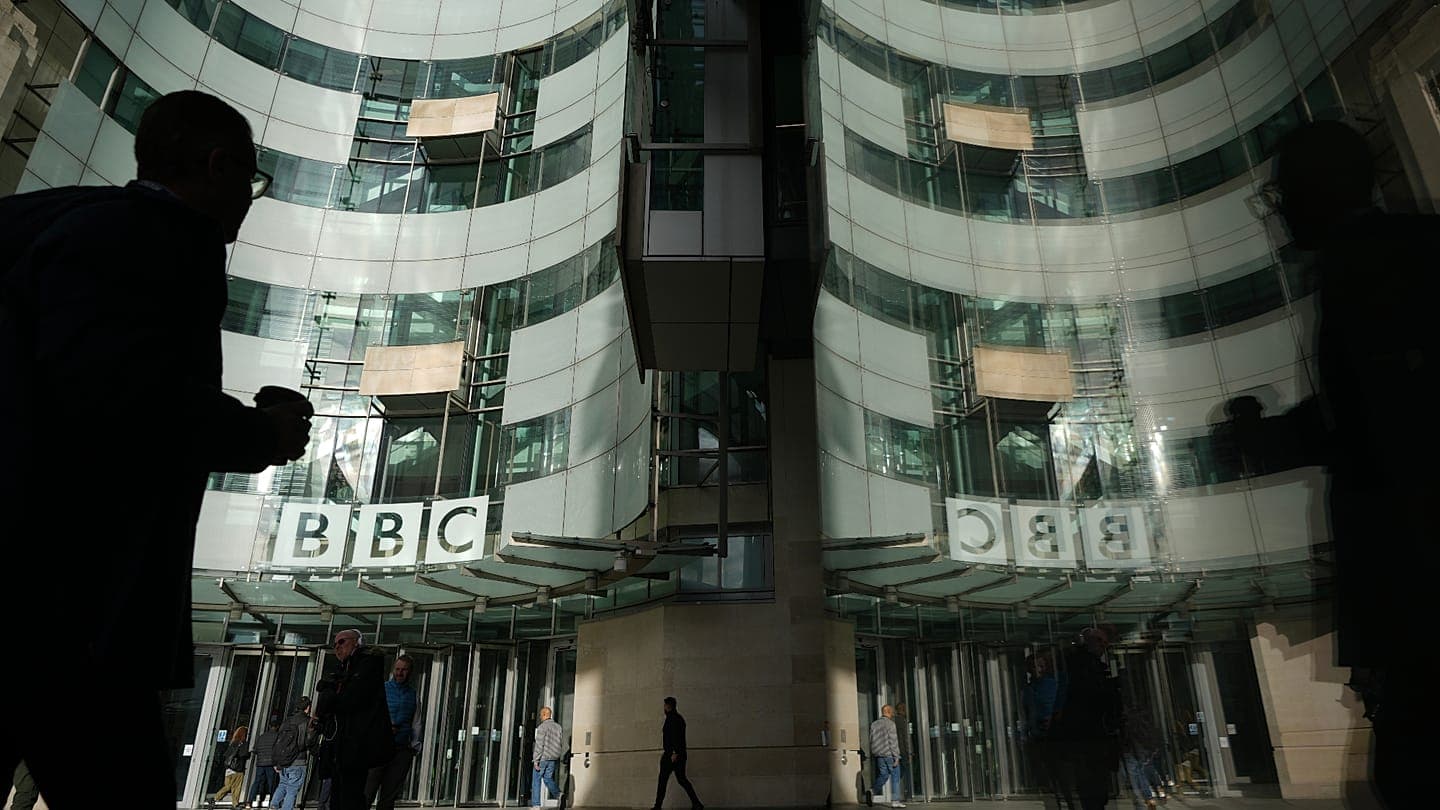
- The BBC apologized for the editing of the January 6, 2021 speech but denies defamation and seeks dismissal of the lawsuit
Court sets deadline for testimony
Federal judge (according to AFP — in Miami) Angelec Lett on Thursday, October 22, 2026, ordered US President Donald Trump to give sworn testimony (a deposition) in his defamation lawsuit against the BBC by December 11. If Trump fails to appear, he faces sanctions, including possible dismissal of the case — unless the discovery period is extended beyond December 18.
Dispute over the canceled deposition
BBC lawyer Charles Tobin told the court that two months remain until the end of the discovery period, and 'the plaintiff has still not been deposed.' According to him, Trump agreed to a deposition on October 16 but canceled it, citing 'matters of national importance,' even though that day he attended a campaign rally in Dalton, Georgia, and a fundraiser at Mar-a-Lago. 'He was engaged in party politics and preferred it to the deposition,' Tobin said, adding: 'No plaintiff is above the law.' Trump's lawyers said in a Wednesday filing that the president is not evading testimony but is constrained by 'matters of national importance,' and proposed a date between January 11 and 22 of next year.
The essence of the lawsuit
Trump filed the lawsuit against the BBC in December 2025 in Florida, seeking at least $5 billion on each of two counts (a total of $10 billion, about 8.6 billion euros). He accuses the broadcaster of having 'deliberately, maliciously and deceptively' spliced together two different parts of his January 6, 2021 speech before the Capitol storming in the documentary 'Trump: A Second Chance' (a Panorama episode), creating the impression of a direct call to violence. The lawsuit also describes the film as 'a false, defamatory, deceptive, disparaging, incendiary and malicious portrayal' and 'a brazen attempt to interfere' in the 2024 election.
The BBC's position and previous rulings
The BBC apologized for the editing error; several top executives resigned after the incident, but the broadcaster denies defamation, arguing that Trump suffered no actual damage, and seeks dismissal of the case, including on the grounds that the program did not meet the criteria for defamation and was not available in the US. In July, Trump's lawyers admitted they had no evidence the film was available in the US via BritBox, BBC Select or American broadcasters, as originally claimed. Trump also agreed to drop claims against the commercial division BBC Studios, which, according to the BBC, 'was not involved in the creation or production of the film.'