The key facts
- WMO: temperatures in the tropical Pacific may reach +3.8°C above normal in November–January, exceeding the 2.6°C record of 2015–2016
- El Niño peak — late 2026 (AFP: December), impacts — in 2027 and beyond
- Tom Fletcher allocated $50 million for 11 countries, including Chad, El Salvador, Ethiopia, Somalia and South Sudan
El Niño may go beyond the scale of measurements
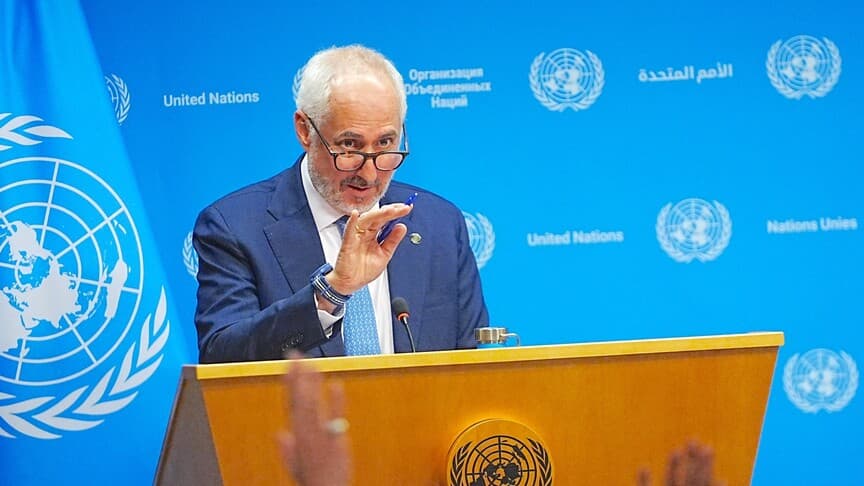
The current El Niño may reach a strength unprecedented in modern observations, UN representatives said in Geneva on Wednesday. Celeste Saulo, Secretary-General of the World Meteorological Organization (WMO), said the phenomenon could turn out to be 'literally beyond the charts we have been using for the past four decades.' According to the latest WMO seasonal climate update, ocean surface temperatures in the tropical Pacific from November to January may rise 3.8°C above average — significantly higher than typical El Niño values. According to AFP, this would be the highest three-month figure since observations began, surpassing the previous record of 2.6°C set in 2015–2016. Saulo noted that the peak would come at the end of 2026 (AFP specifies December), but the impacts would be felt for a long time, and the phenomenon would amplify the warming caused by climate change.
Call for anticipatory action
Saulo spoke alongside UN humanitarian coordinator Tom Fletcher. They called for 'urgent and coordinated anticipatory action.' Fletcher called El Niño a 'destructive force' of extreme heat, droughts and floods that would hit Latin America, eastern and southern Africa, Asia and the Pacific region. According to him, tens of millions of people will be affected, up to 50 million people may face heightened hunger, and the damage will extend beyond frontline countries, causing economic shocks, conflicts, displacement and migration. He warned that the humanitarian system alone cannot cope with a threat of such magnitude, and urged governments, development banks and international financial institutions to release funds 'before damage is done,' calling the next two weeks 'a critical window for action.'
Measures and context
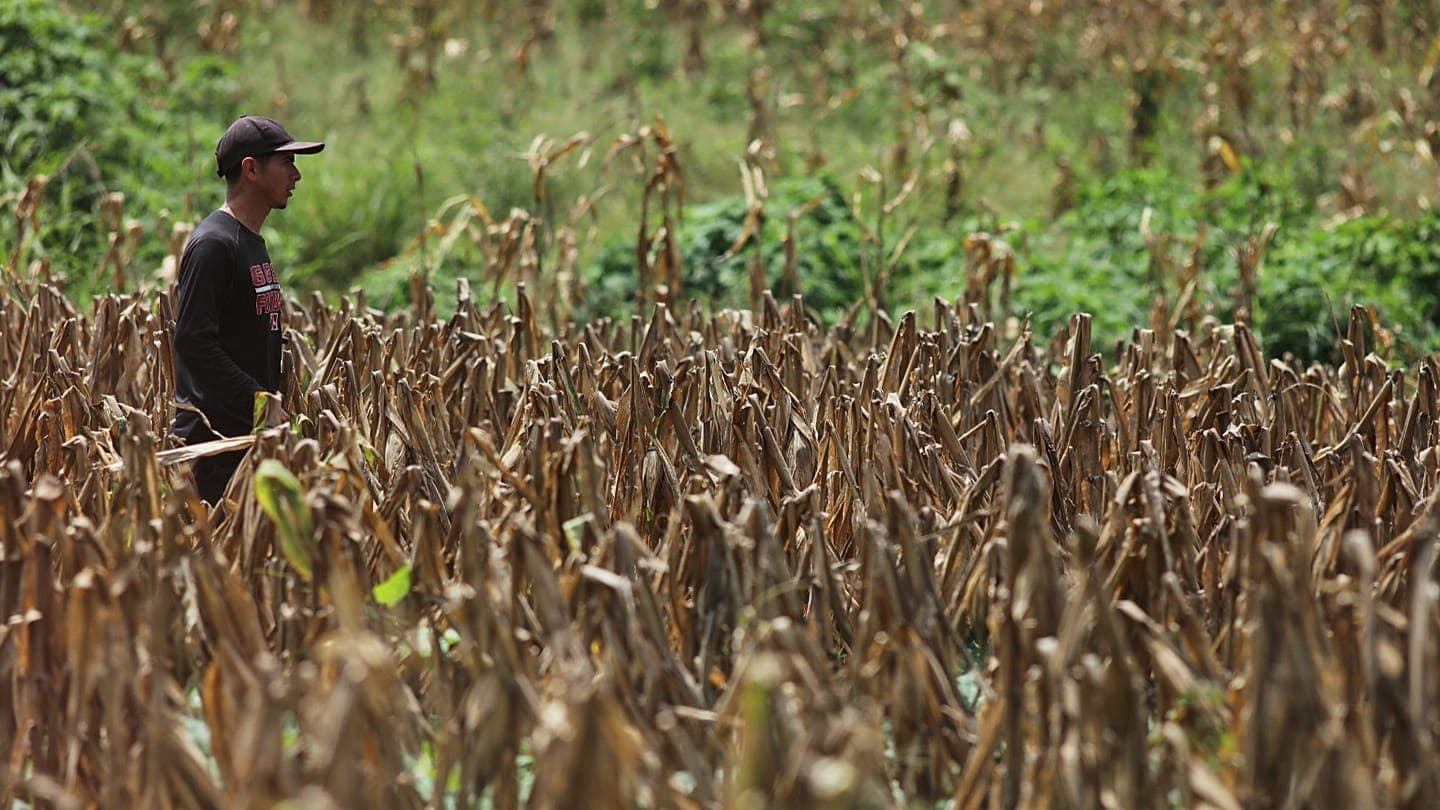
Fletcher said he had already allocated $50 million to support the 11 most vulnerable countries, including Chad, El Salvador, Ethiopia, Somalia and South Sudan. According to him, Somalia, Ethiopia and Kenya need pre-positioned supplies ahead of heavy rains, southern Africa needs seeds and livestock, Central America needs livelihood support, and Asia and the Pacific need preparation for droughts, floods and cyclones. El Niño is a natural climate phenomenon in which waters of the central and eastern equatorial Pacific warm abnormally, altering winds, pressure and precipitation worldwide; it recurs every two to seven years and lasts nine to 12 months, alternating with La Niña. The previous El Niño contributed to 2023 becoming the second hottest year on record and 2024 the record-holder. According to AFP, the phenomenon is already hitting some regions: in Central America, drought is killing animals and crops.