The key facts
- Fake nude images of Queen Mathilde, Crown Princess Elisabeth, and Belgian politicians are circulating on social media
- Among the victims are Flemish Deputy Prime Minister Melissa Depraetere and former Defense Minister Ludvine De Conde, who is preparing a legal complaint
- The EU is preparing amendments to the AI Act banning systems that create intimate images without consent
Deepfakes Have Touched the Royal Family and Politicians
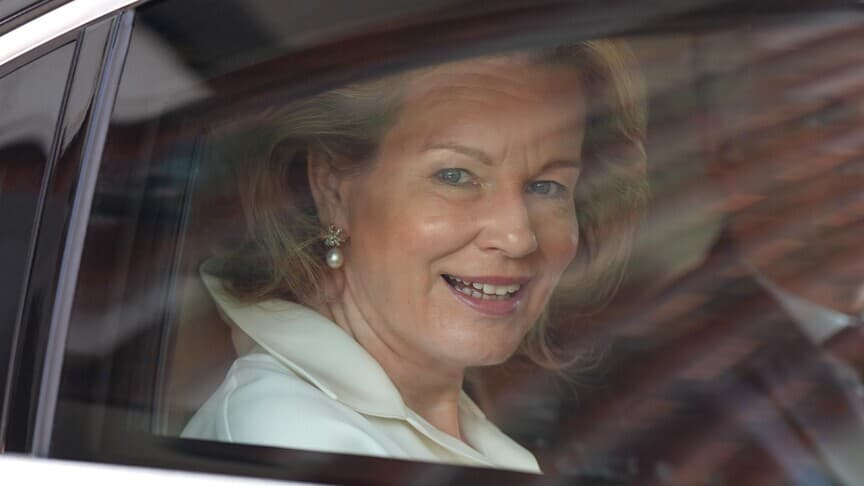
Queen Mathilde of Belgium, her daughter Crown Princess Elisabeth, and a number of other prominent Belgian women have become targets of pornographic images created with the help of artificial intelligence. As the newspaper Le Soir reported on Monday, fake images depicting the women nude have been circulating on social media in recent days. Among the victims, according to reports, are also the wives of politicians and government officials.
Reaction of the Victims and the Palace
According to an investigation by several Belgian outlets, among those affected are Flemish Deputy Prime Minister Melissa Depraetere and former Belgian Defense Minister Ludvine De Conde. 'How disgusting this is — little surprises me anymore,' Depraetere stated, adding that people must understand that creating and distributing such images is unacceptable and can destroy lives. De Conde announced her intention to file a legal complaint. The Belgian Royal Palace confirmed that measures have been taken to remove images of the Queen and Crown Princess from the internet.
Regulation at the EU Level
The incident has once again drawn attention to the problem of AI images that make real people appear nude or engaged in sexual acts without their consent. Civil society organizations and digital rights advocates have repeatedly warned that such AI abuse disproportionately affects women and girls. The EU is preparing stricter measures: according to amendments to the Artificial Intelligence Act, systems designed to create or manipulate realistic intimate images of identifiable people without their explicit consent are to be banned.
The Giorgia Meloni Precedent
A telling example of the risks of manipulated images is the case of Italian Prime Minister Giorgia Meloni. In 2024, she demanded 100,000 euros in compensation in the case of two men accused of creating and distributing pornographic deepfakes featuring her face. In addition, she initiated the registration of a trademark on her voice with the EU Intellectual Property Office to protect against AI imitations.