The key facts
- From October 1 to 26, Tashkent received 3.9 mm of precipitation against a norm of 23.7 mm — almost 6 times less than normal
- On October 26 at 18:00, PM10 exceeded the MPC by 1.85 times, and PM2.5 by 1.06 times
- Dust masses covered Tashkent, Tashkent Region, and parts of Syrdarya and Jizzakh Regions
Precipitation almost six times below the norm
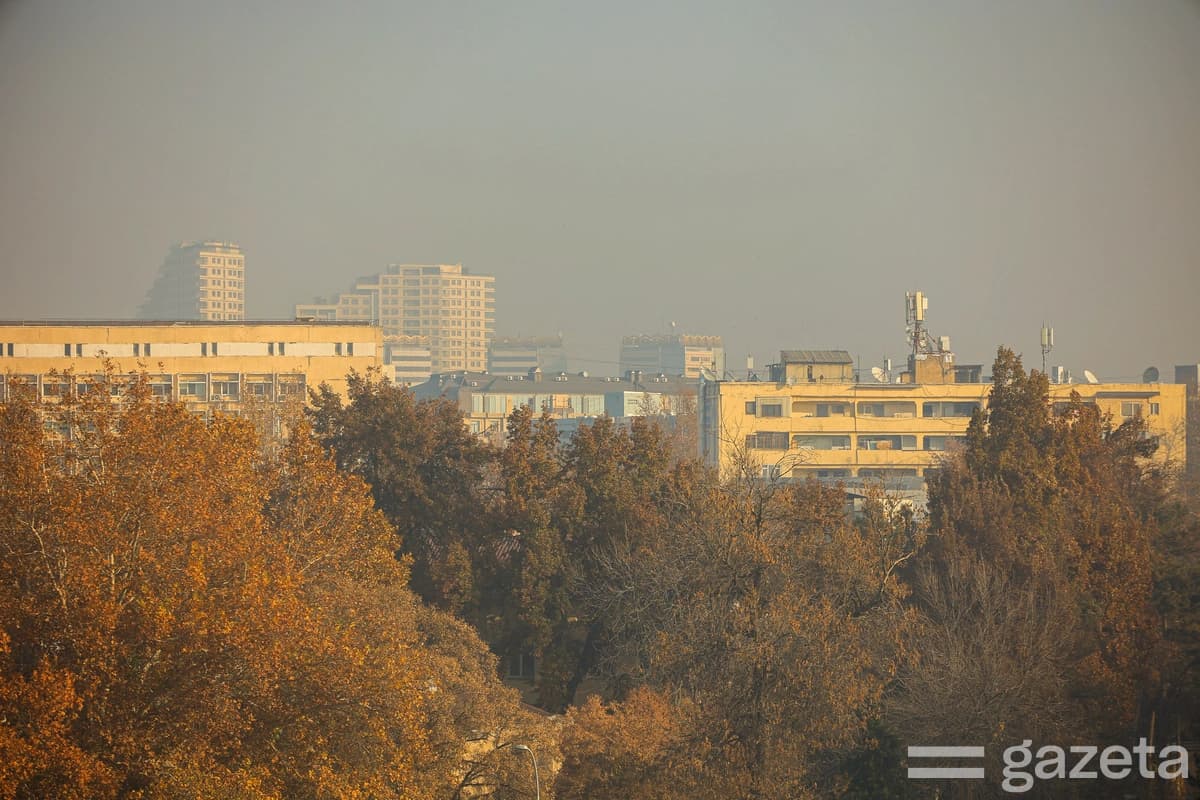
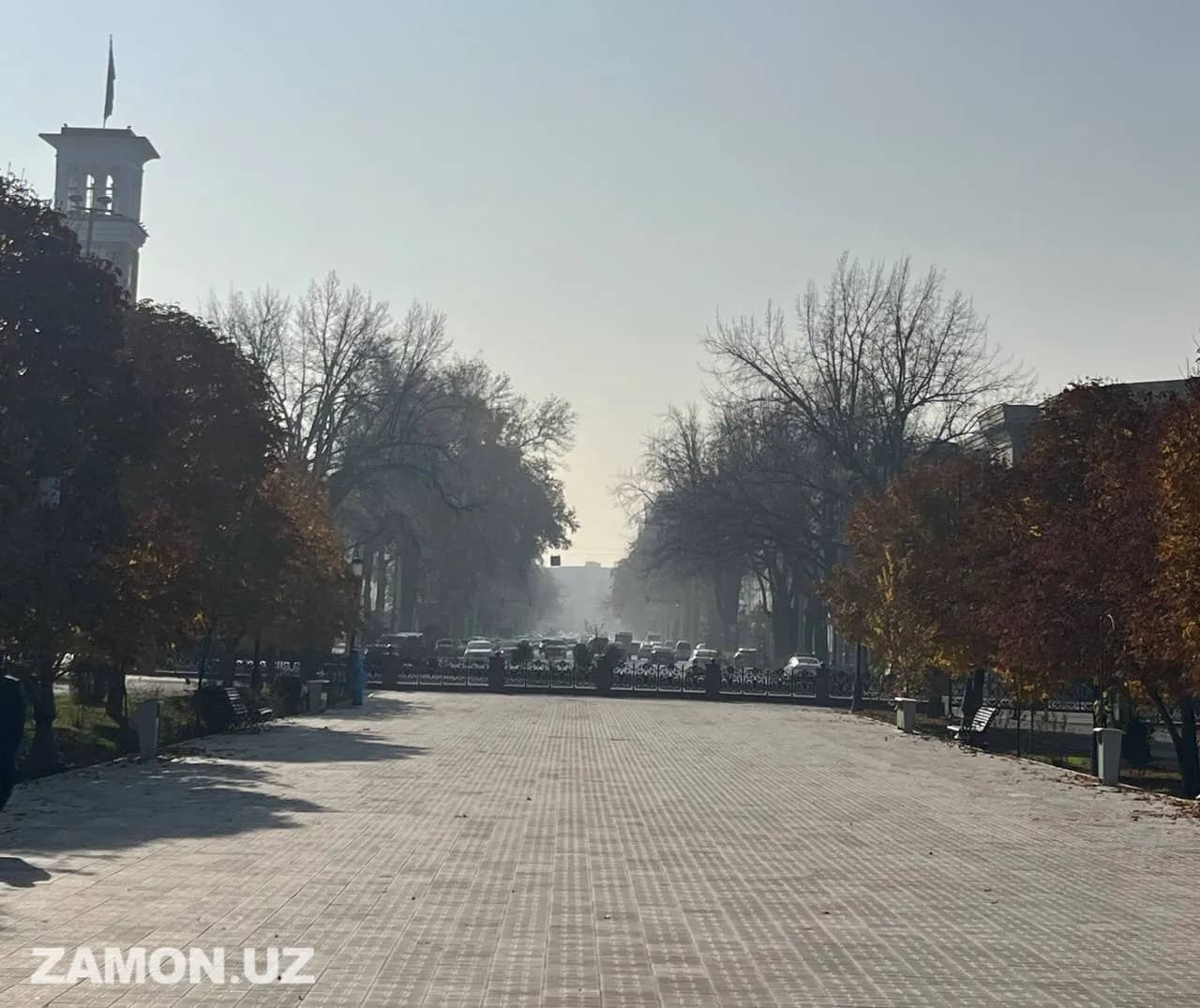
Air pollution in Tashkent, according to the National Center for Climate Change, is linked not only to anthropogenic factors but also to unfavorable weather conditions and natural factors. This was reported by the center's director, PhD in Technical Sciences Farrukh Sattarov; his remarks were cited by Zamon.uz and UzNews.uz. Key figure: as of October 26, the city had received only 3.9 mm of precipitation against a monthly norm of 23.7 mm — almost six times less. The lack of precipitation weakens the natural washing of dust particles out of the atmosphere and creates conditions for their accumulation.
What the stations and satellites showed
On October 26 at 18:00, automatic monitoring stations recorded a PM10 level of 139 µg/m³ in Tashkent — 1.85 times above the maximum permissible concentration — and PM2.5 at 64 µg/m³, 1.06 times above the MPC (data from UzNews.uz). In parallel, the Ministry of Ecology and Climate Change monitors air quality not only with ground stations but also via satellite imagery. From October 1 to 26, images were analyzed using the SILAM model and compared with the AQI index: during periods of dust mass inflow, the index rose. Thus, on October 4–5, when precipitation fell, the AQI stood at 66–71, while in the following days, against the backdrop of precipitation deficit and dust accumulation, air quality deteriorated.
Dust over four regions and the forecast
On images from the European EUMETSAT platform and the Meteosat satellite, large dust masses were recorded over Tashkent and adjacent territories on October 25–26. The phenomenon covered the capital and Tashkent Region, as well as parts of Syrdarya and Jizzakh Regions. According to experts' forecasts, the influence of the dust masses and the associated unfavorable conditions may persist until the beginning of next week. The Climate Change Center also noted that over the past decade, the number of unfavorable weather conditions in the cold half of the year — linked to strong winds and low precipitation — has grown by 57% compared with previous years, making natural air purification more difficult. For an objective assessment of the situation, the report emphasizes, it is important to jointly analyze weather conditions, the movement of dust masses, and monitoring data.