The key facts
- The desire to buy an expensive item after a bad day is explained by psychologist Vitalia Avetova as an attempt to compensate for unpleasant emotions and regain a sense of control
- Impulsive purchases more often happen in the evening or at night, when fatigue reduces the ability to assess whether they are reasonable
- Warning signs include the regularity of such shopping, exceeding the budget, hiding expenses, and feelings of guilt
Why a bad day makes you want to spend money
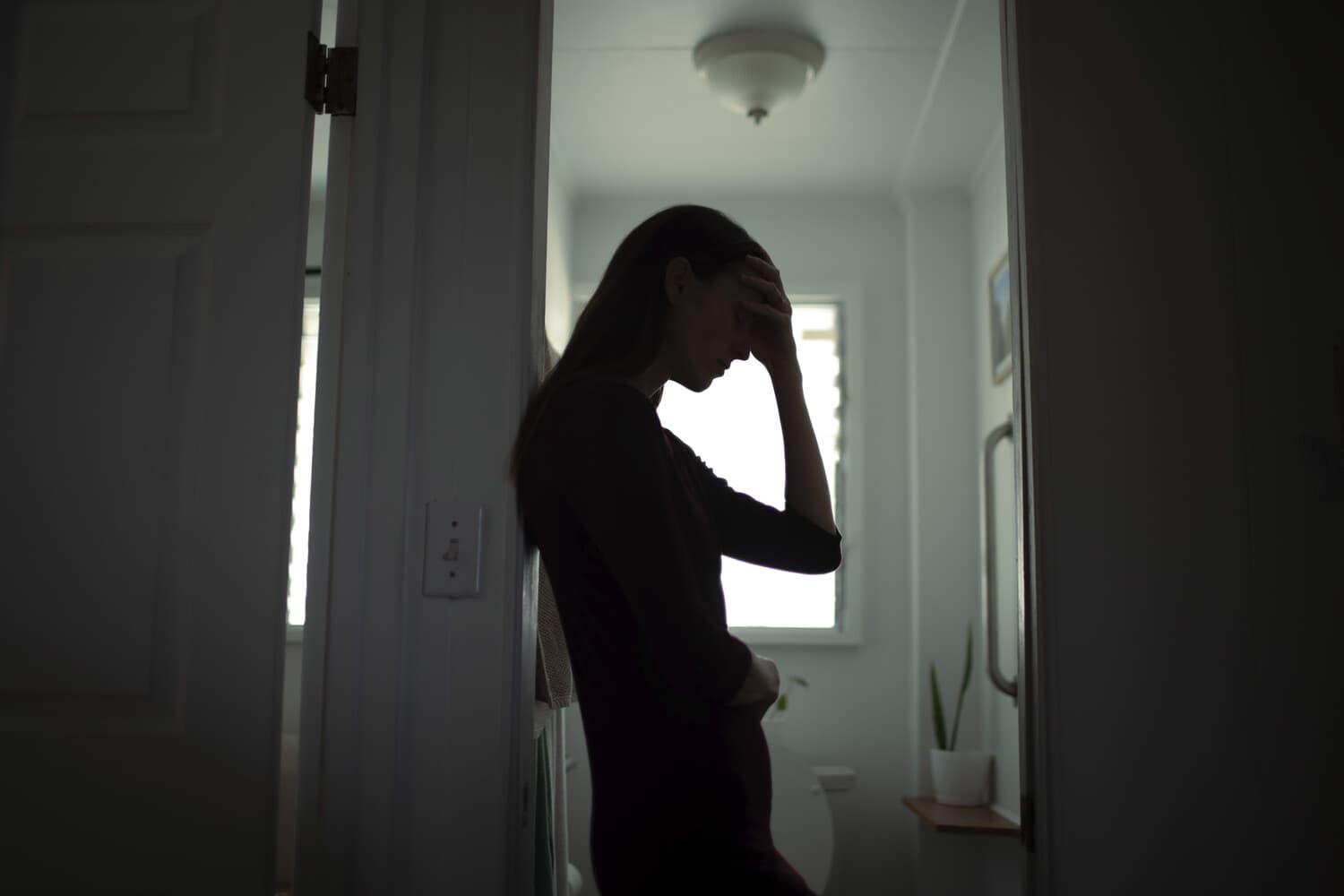
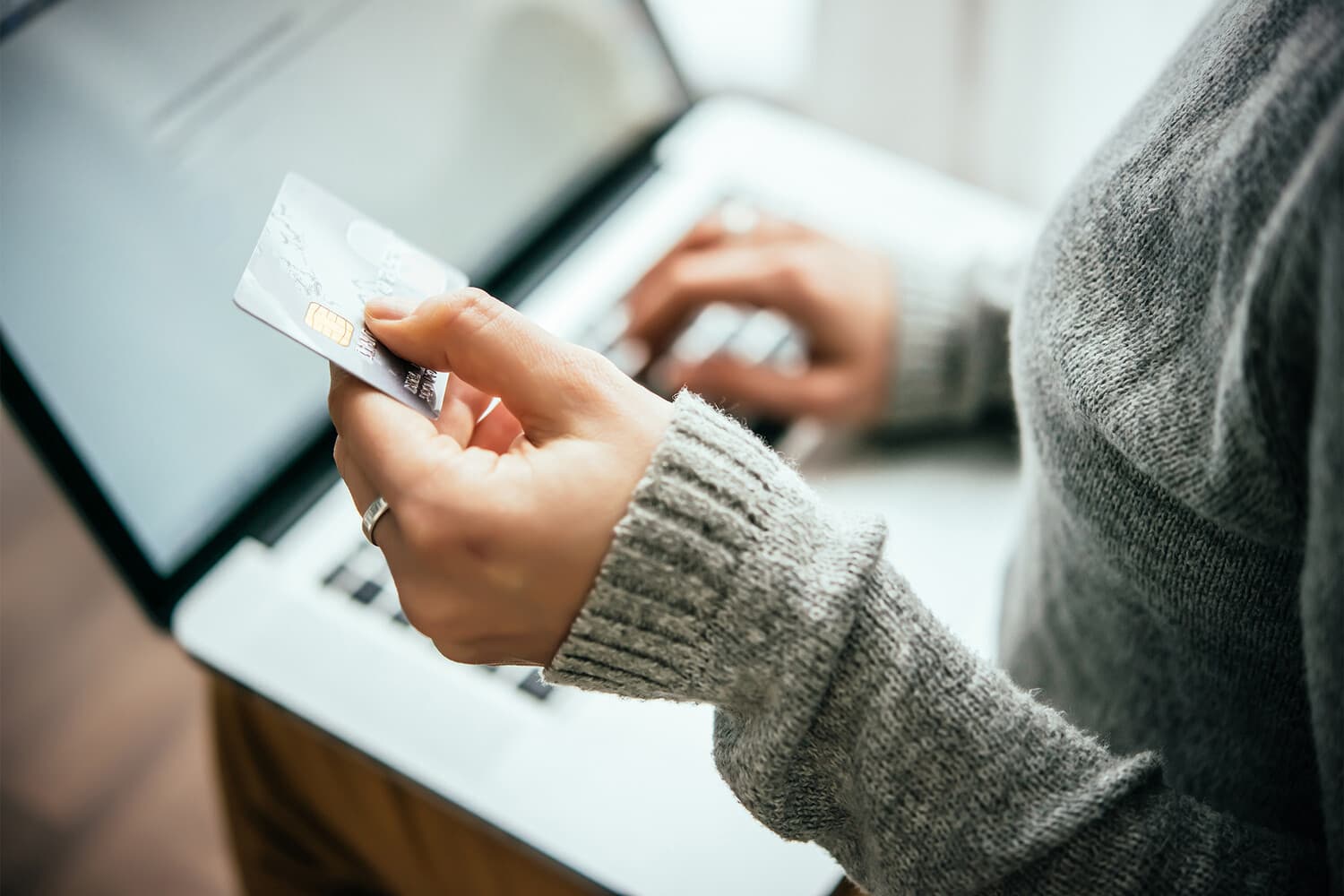
The urge to buy yourself an expensive item after a bad day is linked to the desire to quickly compensate for unpleasant emotions and regain a sense of control over your own life. Business psychologist, MBA and Executive MBA program instructor Vitalia Avetova told Gazeta.Ru about this. According to her, on a bad day a person often faces rejections and conflicts or is forced to submit to other people's decisions, whereas a purchase gives an instant and clear result: the person makes the decision themselves, chooses the item themselves, and immediately gets what they want.
The role of self-esteem and fatigue
Expensive purchases — things a person has long wanted but could not afford — are especially appealing because they are perceived not merely as an item but as a symbol of one's own worth, Avetova noted. She gave examples of inner beliefs: 'they criticize me, but I am still successful and can afford this,' 'I was treated unfairly, so I can treat myself.' According to the psychologist, this is a quick and easy way to restore self-esteem. Accumulated fatigue also tends to 'incite' the purchase: impulsive spending usually happens in the evening or at night, when a tired person finds it harder to assess whether the purchase is reasonable, and the promise of immediate pleasure wins out.
When emotional shopping becomes a problem
A one-off emotional purchase does not in itself indicate a problem, Avetova emphasized. The warning sign is when such shopping becomes a regular way of coping with stress. She said one should also be alert if emotional purchases constantly exceed the budget, force a person to hide their spending from loved ones, or are accompanied by feelings of guilt. The psychologist advised asking yourself before an expensive purchase: have you really wanted this item for a long time, or is it an attempt to change your state. If the desire arose after an unpleasant event, it is better to postpone the decision until at least the next day — once the emotions have subsided, it will become clearer whether the item itself is needed, or whether the person needed rest, support, and another way to regain control.
Context
The Gazeta.Ru editorial team notes that the recommendations given are the opinion of an expert, not the results of a study: the publication relies on a comment from a single specialist. Earlier, another article by the outlet named a non-obvious cause of low mood. The practical value of the advice for readers is that a simple pause between the impulse and the purchase makes it possible to distinguish a real need from an emotional reaction — this applies to anyone who notices spending after stressful days.