The key facts
- Lula won the second round, although since 1989 no candidate who trailed after the first round had ever won
- Lula won the second round, even though no candidate who trailed after the first round had won since 1989
- He turns 81 on 27 October; he promises the 'best term' in Brazil's history
- The country remains polarised: almost half of voters voted against him
- The country remains polarised: nearly half of voters voted against him
A victory unseen in Brazil's recent history
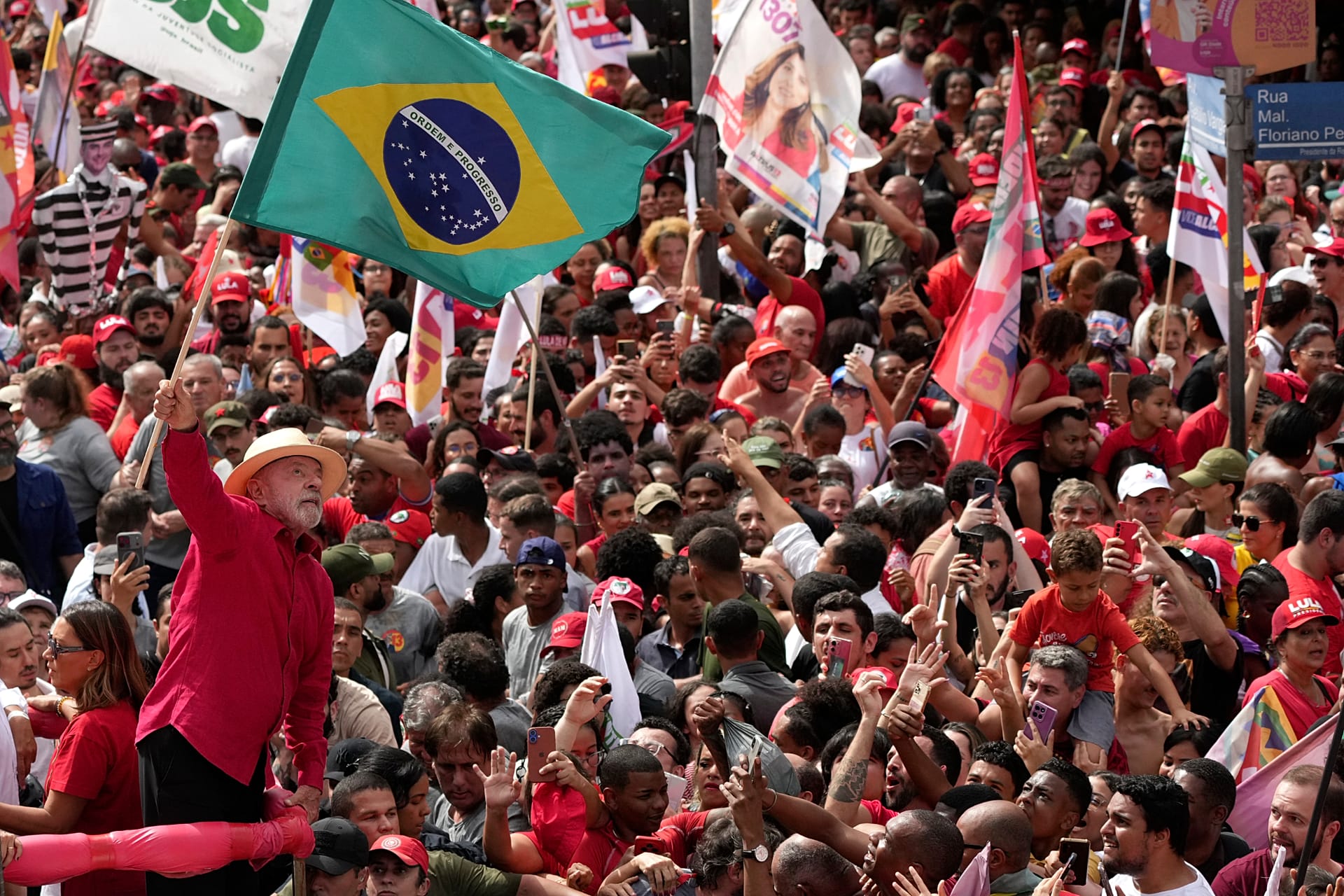
Luiz Inácio Lula da Silva has been re-elected president of Brazil in the second round of the 2026 election — after losing the first round. As Euronewsnotes, this is an unprecedented result: since 1989, when the country returned to direct presidential elections with a two-round system, no candidate who trailed after the first round had ever managed to turn the contest around. Lula himself was the first in 1989 where this statistic began: back then he trailed Fernando Collor de Mello by 13.3 points after the first round and failed to close the gap in the second.
The winner's promises
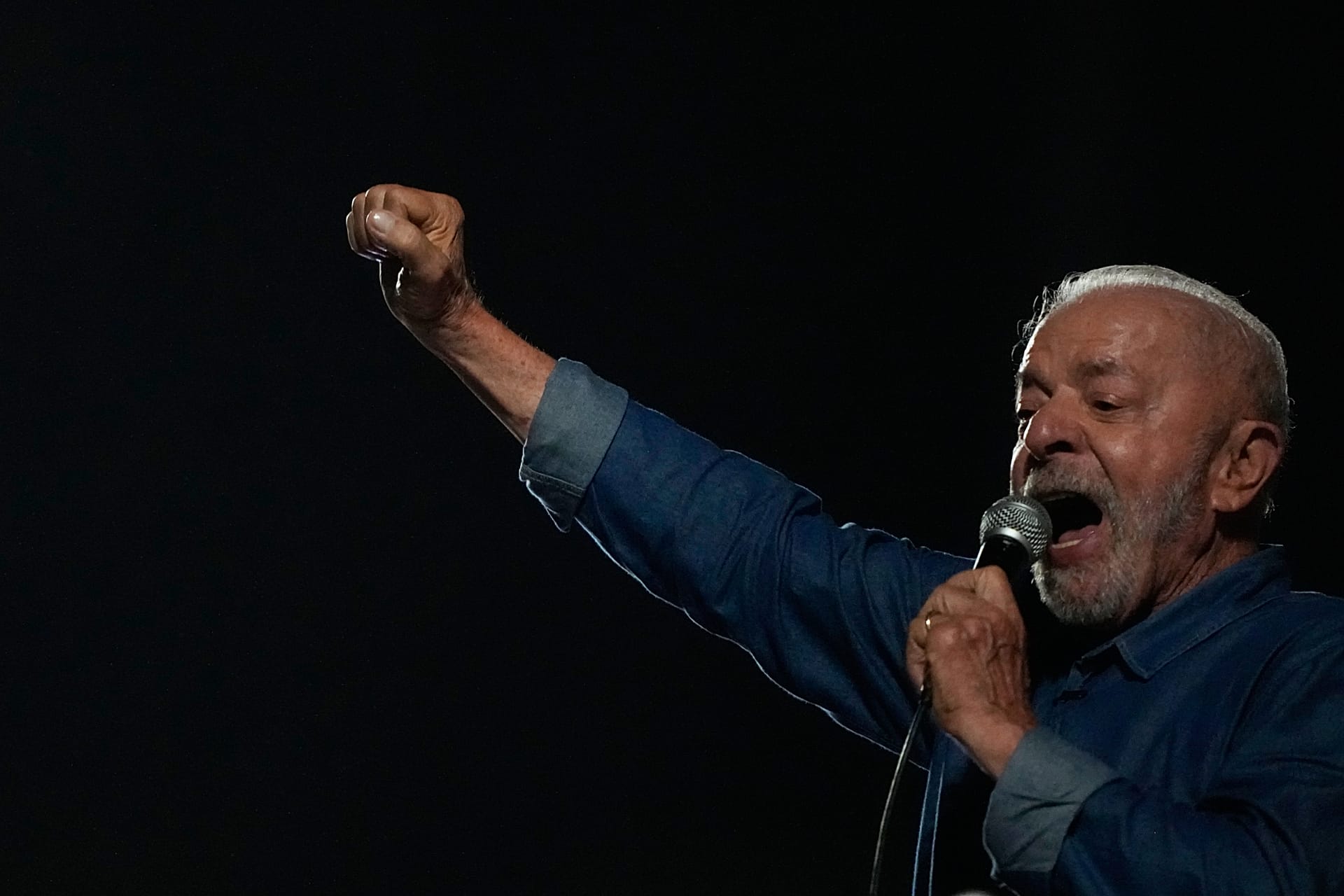
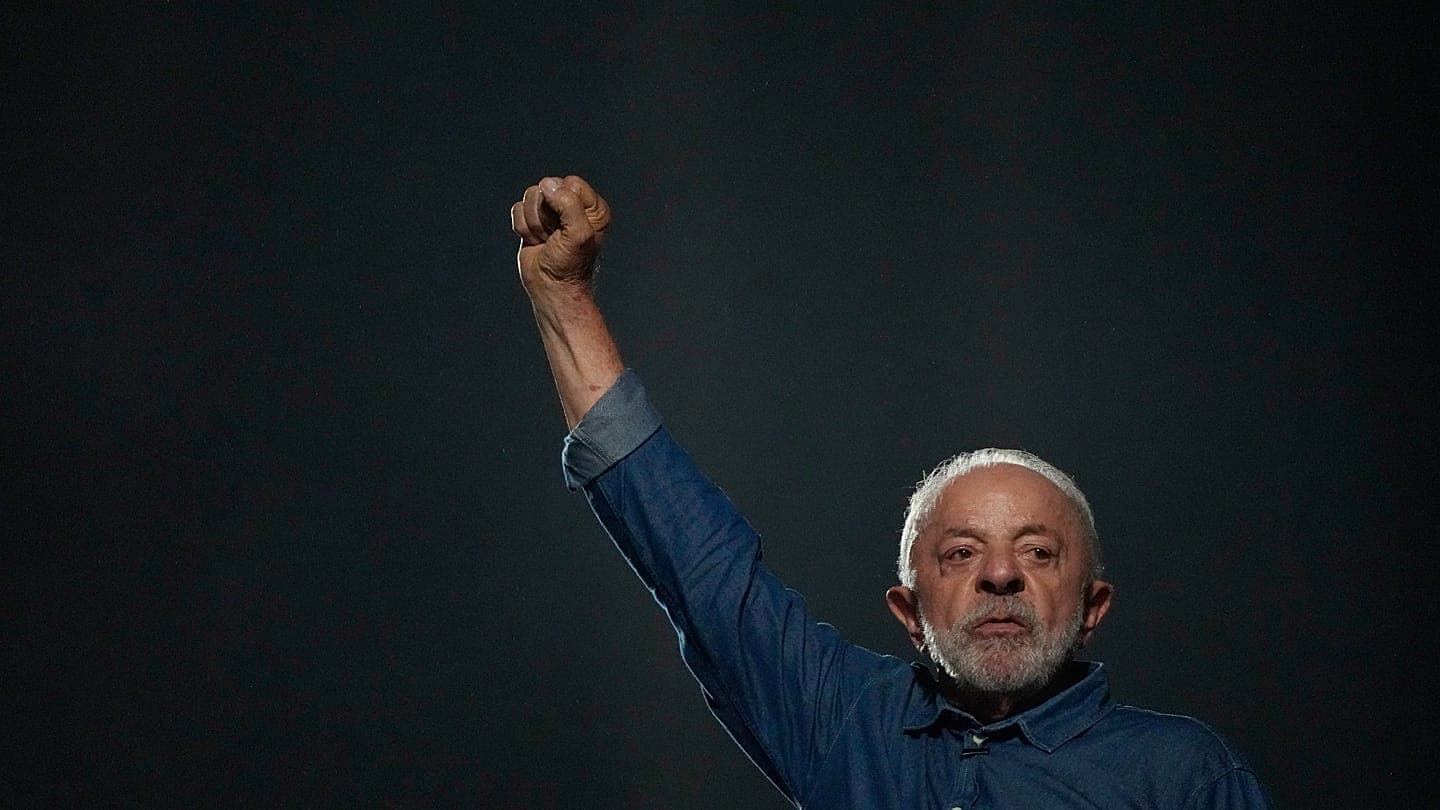
In his victory speech — the fourth of his career — Lula thanked his supporters and promised the 'best term' in the country's history. 'The day after tomorrow, on the 27th, I turn 81. And I want to make a promise before the press and before you: I will deliver the best term any president has ever served in the history of this country,' Euronews quotes him as saying. He also called himself the only president of the republic — a metalworker without a university degree, democratically elected four times.
From lathe operator to the Planalto Palace
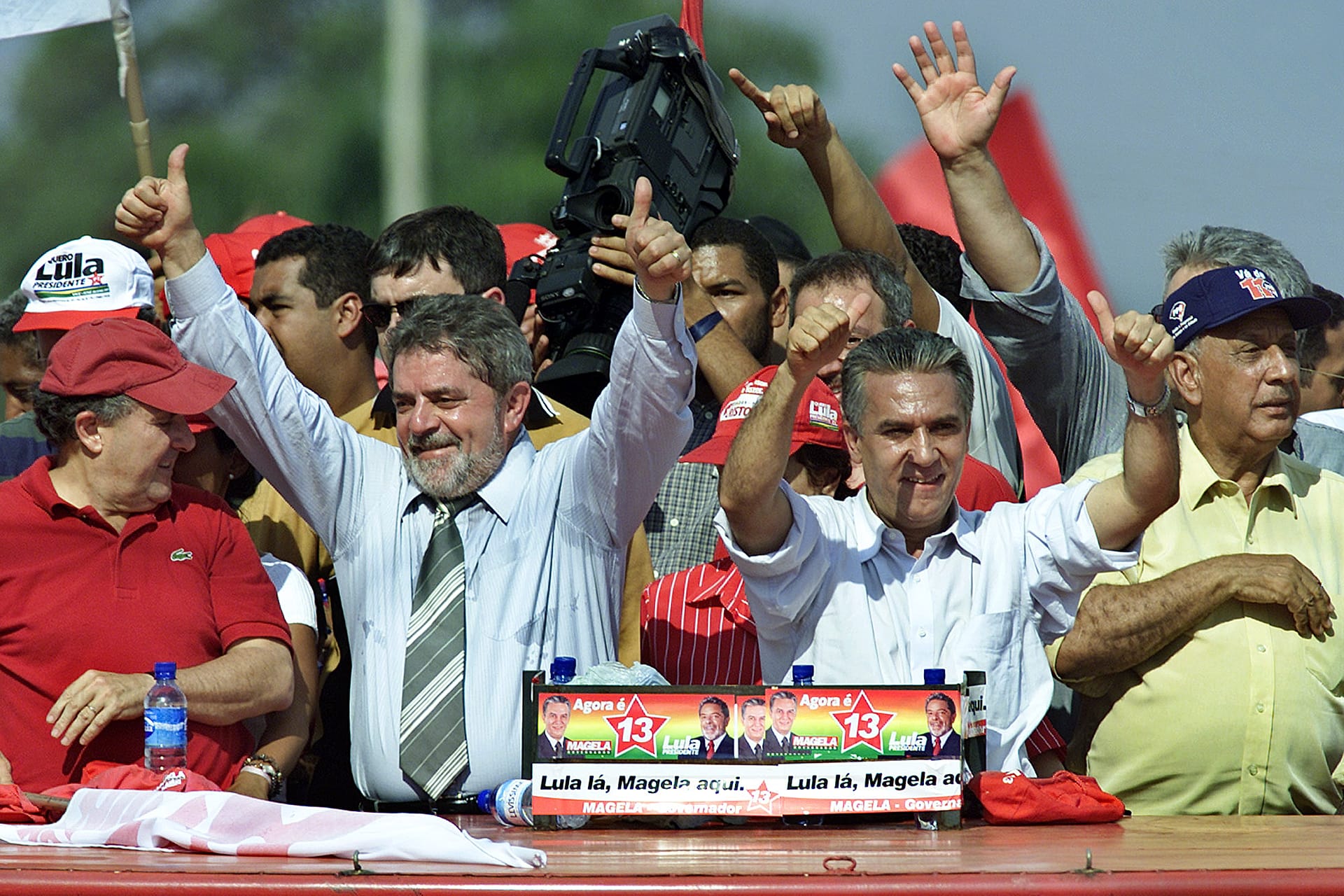
The seventh child in a family of illiterate farmers, Lula was born on 27 October 1945 in Garanhuns (Pernambuco state), moved with his family to São Paulo at the age of seven, and at 14 began training as a metalworking lathe operator. Before that he worked as a delivery boy, shoe shiner and dyer's assistant; at the factory he lost a finger — opponents still use the nickname 'nine fingers'. Fame came to him through the metalworkers' strikes of 1978–1980 during the military dictatorship, out of which grew the Workers' Party (PT), founded in 1980. After losing the elections of 1989, 1994 and 1998, he became president in 2002 — the first trade union leader and worker to enter the Planalto Palace. His supporters credit his rule with the Bolsa Família (2003) and 'Zero Hunger' social programmes, a record 57% approval rating at the end of his first term, and re-election in 2006 with more than 58 million votes — the highest figure in Brazil's history. In 2014, under his successor Dilma Rousseff, Brazil left the UN's 'Hunger Map'.
The Lava Jato case and the comeback
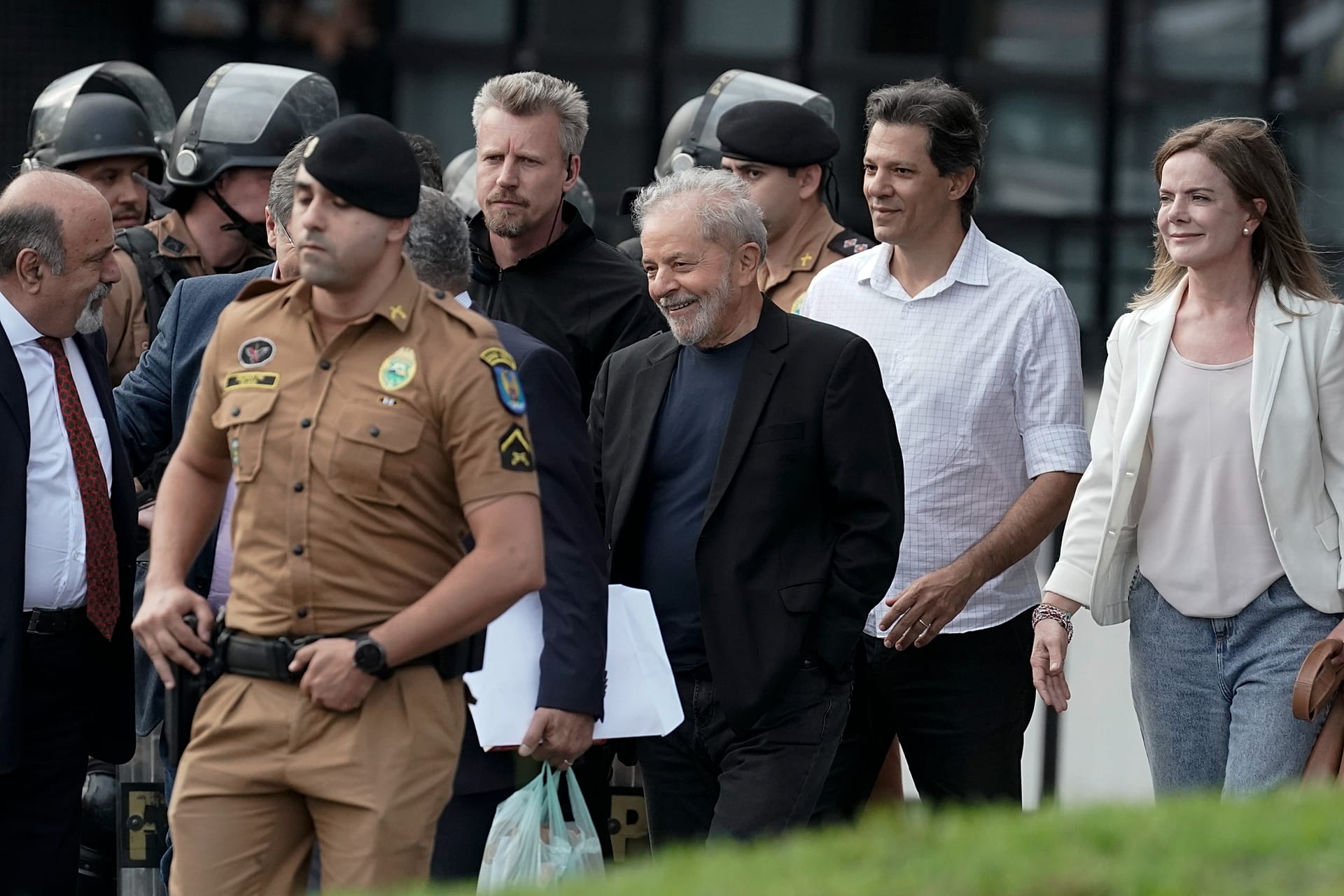
His career was interrupted by corruption scandals: the 'Car Wash' (Lava Jato) investigation, led by judge Sérgio Moro — who later became justice minister in Bolsonaro's government — concerned an embezzlement scheme involving the semi-state oil company Petrobras and the construction conglomerate Odebrecht, and sent dozens of politicians of various stripes to prison. Lula was arrested in March 2018 and sentenced to nine years in prison for an apartment he allegedly received in exchange for political favours. After spending 580 days in custody, he was released in November 2019 following a change in the Supreme Federal Court's practice, and in 2021 the court annulled his convictions, ruling that the court in Curitiba had no jurisdiction to hear his cases. This opened his path to victory in the 2022 election.
What awaits the new old president
The 2026 victory opens a new chapter in Lula's biography, but, as Euronews stresses, he will have to govern a country unlike the one he led in the 2000s: society is deeply polarised, almost half of voters voted against da Silva, demanding reforms in public security and a lower cost of living; Congress is controlled by centre-right forces, and Bolsonarism retains significant electoral strength. The Russian-language version of the outlet does not mention the composition of Congress, limiting itself to the points about polarisation and voters' demands.