The key facts
- More than 60 people, including five children, were killed in attacks on three settlements in the Shirkka district of Oromia; 20 houses were burned down
- A local official blamed the “Alliance for Survival” coalition, which includes the OLA; the OLA did not comment but has previously denied similar attacks
- According to the Ethiopian Human Rights Council, 458 people were killed in attacks in the district over four years
Series of attacks in the Shirkka district
More than 60 people were killed in a series of attacks on Christians in the Oromia region of eastern Ethiopia, the Ethiopian Orthodox Tewahedo Church said. According to the church, the attacks affected three settlements in the Shirkka district; witnesses told BBC Amharic that five children were among the dead. A statement by the church's Holy Synod said 20 houses were burned to the ground; the church did not name those responsible. One resident, whose 75-year-old father was killed, described what happened as an ambush: “We were completely unprepared and had no prior warning. They surrounded us from all four sides”, he told BBC Amharic.
Who is responsible
A local official blamed the attacks on the recently formed rebel coalition, the “Alliance for Survival,” which includes the Oromo Liberation Army (OLA). The OLA did not comment on the incident, but has previously denied involvement in similar attacks. Regional authorities said they would take action against those responsible. A church official called the attacks a “massacre” and said that security forces arrived at the scene but were unable to stop the attack. Many residents have left the district.
Context of violence in the region
The Orthodox Church condemned the violence and said that attacks on Christians have recently become more frequent, and that “such actions undermine the values of mutual respect and peaceful coexistence.” According to the church, it has repeatedly raised the issue of the lack of security with authorities at various levels, but “there is still no solution.” The Ethiopian Human Rights Council, a non-governmental organization, stated in a July 2026 report that 458 people were killed in attacks in the district over the previous four years; the incident was one of the deadliest episodes in that period. According to the report, armed groups have repeatedly attacked local communities, especially members of the Ethiopian Orthodox Tewahedo Church, in what the organization described as religiously motivated attacks. Authorities have previously blamed the OLA for attacks, and Prime Minister Abiy Ahmed said that violence against civilians and religious institutions was part of a plan to destabilize the country; the group, which calls itself a fighter for the rights of the Oromo people, denies these accusations. Previous reports also documented attacks on Muslims in the district, and residents described the violence as both ethnic and religious. About two-thirds of Ethiopians are Christians, mostly Orthodox, and another third are Muslims.
Why it matters
The incident is one of the deadliest episodes in four years during which, according to the Ethiopian Human Rights Council, 458 people were killed in the district, indicating the protracted nature of the violence. The event directly affects residents of the Shirkka district, many of whom have already left their homes, as well as the country's religious communities. In practical terms, this means the continuation of a humanitarian crisis on the ground: the church reports that no solution to the security problem has been found, while regional authorities have only promised to take action against those responsible.
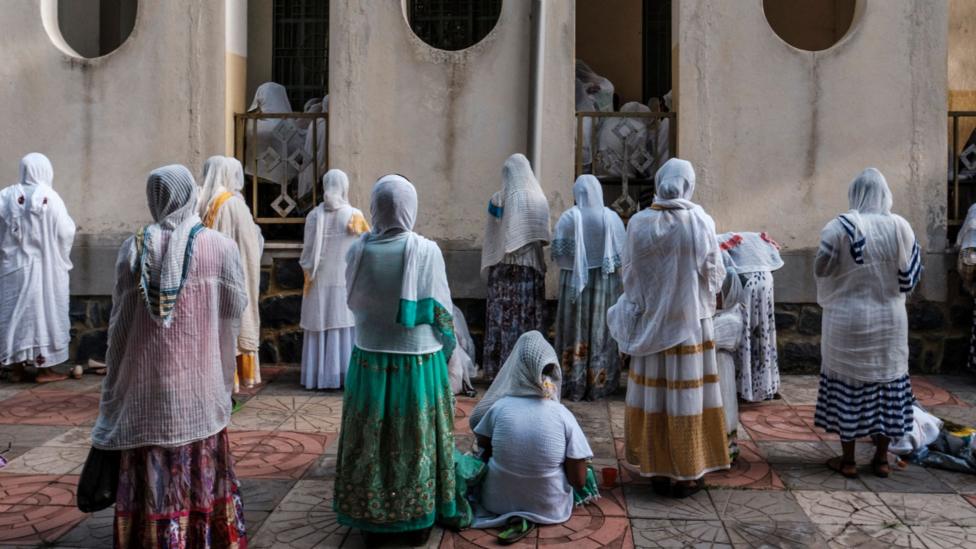 Image source, Getty Images
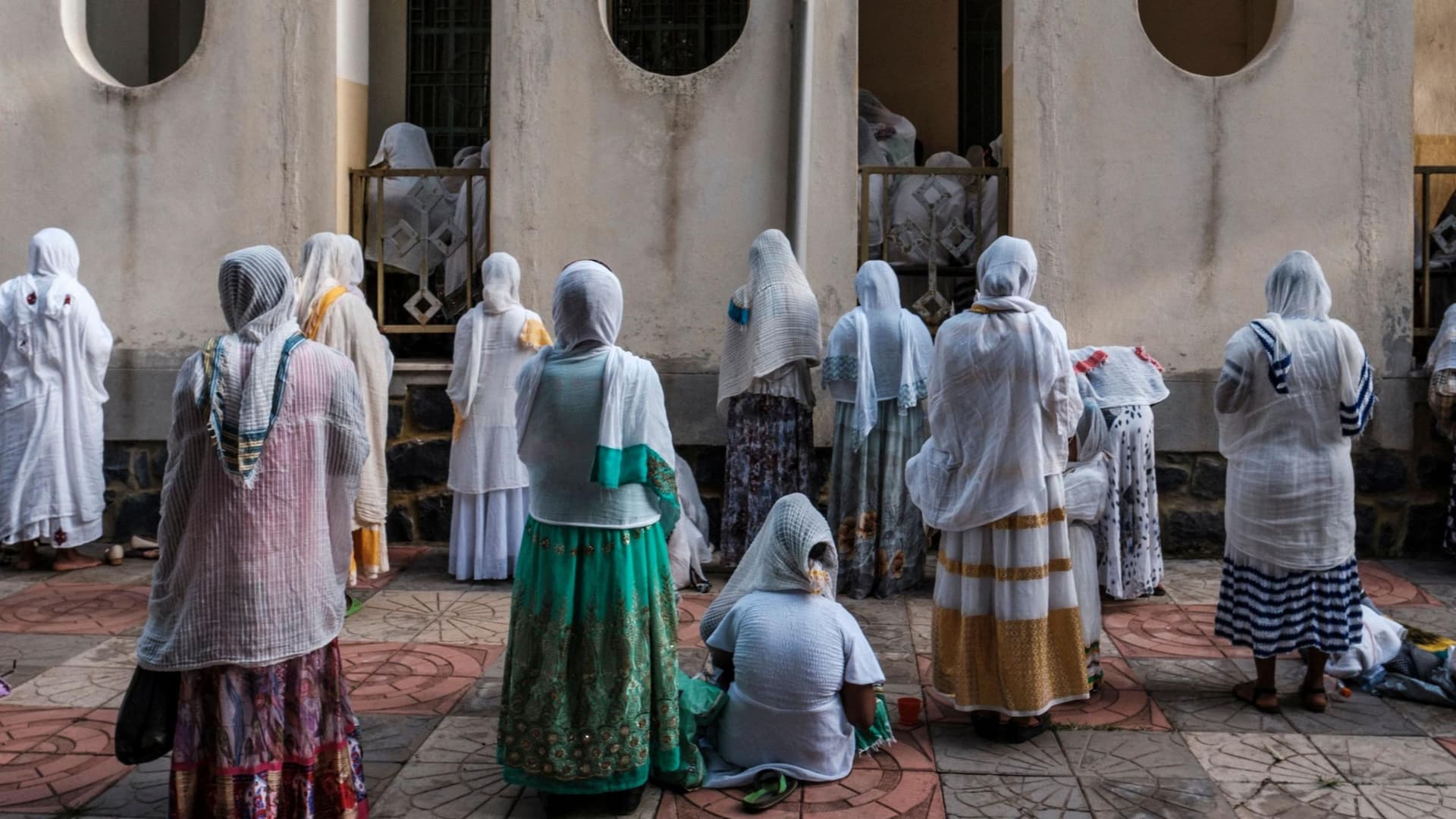
Attacks against Christians have been increasing recently, according to the Ethiopian Orthodox Tewahedo Church