The key facts
- Sri Lanka, which imports all of its fuel, was spending up to 30% of its foreign currency reserves per month on fossil fuel imports
- The target for 2030 is 70% of electricity from renewables (currently about 60%); the minister allows for exceeding this figure
- Between February and October 2026 a nationwide six-hour blackout occurred, possibly due to a surplus of solar generation
Oil shock pushes Sri Lanka to accelerate its energy transition
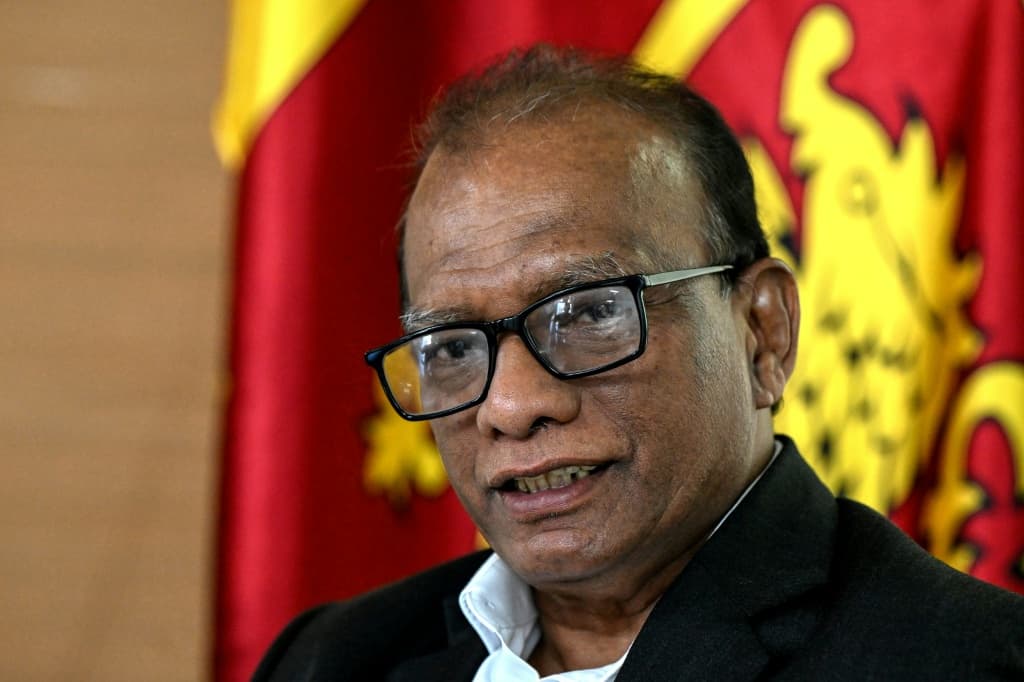
Sri Lanka intends to speed up its transition to renewable energy after a sharp rise in oil prices, but faces serious constraints, the country's energy minister Anura Karunatilaka told AFP in an interview. “There are a kind of wake-up signals that are pushing us to move further toward renewable energy,” he said, adding that extracting the maximum energy from renewables will be the government's policy for the coming years. The island nation imports all of its oil and gas needs and was hit hard after the United States and Israel began a war with Iran, leading to the blockade of the strategically important Strait of Hormuz. Rising prices for fuel, gas and electricity, rationing and inflation at a three-year high battered an economy that was only just recovering from its worst crisis in 2022. According to the energy ministry, the state at times spent up to 30% of its foreign currency reserves in a single month paying for fossil fuel imports.
Goals and obstacles: protests and weak grids
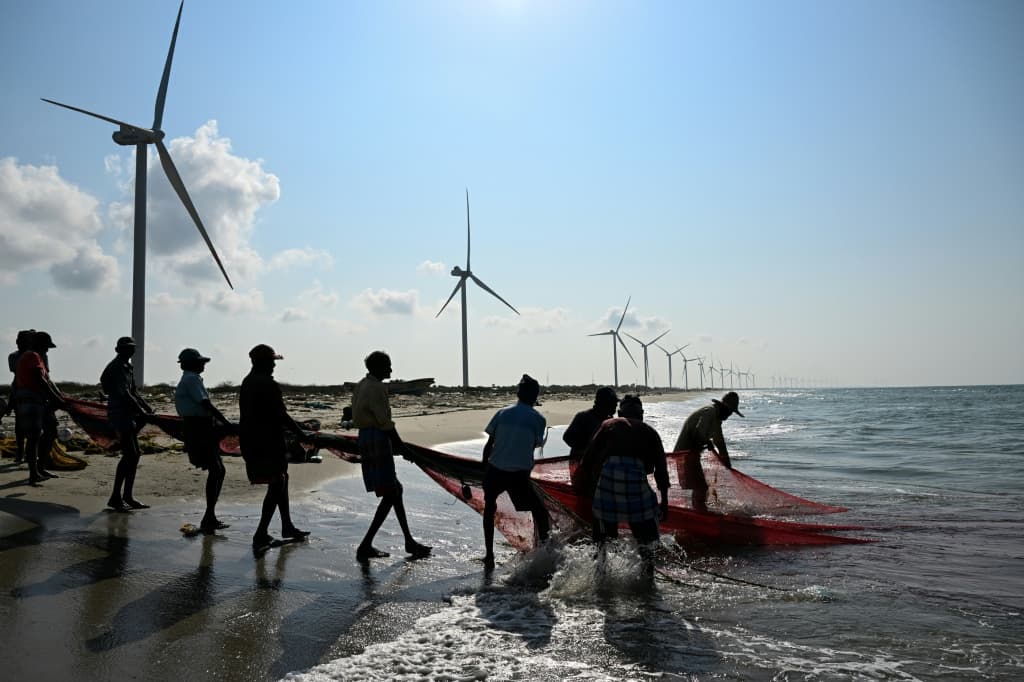
The energy transition targets were set before the war: by 2030 the country plans to generate 70% of its electricity from renewable sources, up from about 60% now, including around 40% from hydropower. “We will probably have to go beyond 70%”, Karunatilaka said. However, the transition has proved harder than expected. On the northwestern Mannar peninsula, where wind energy potential is estimated at 30 gigawatts, discontent among residents is growing: they blame the turbines, operating since 2020, for floods, the disappearance of fish and a threat to migratory birds. The minister said he had heard their concerns: “We promised the residents of Mannar that only already approved or under-construction projects will continue,” and future wind farms will be built elsewhere. Another obstacle is technical: limited transmission line capacity and grid management. From next year, the transmission infrastructure is to be strengthened, adding five backbone grid lines.
The solar paradox: daytime surplus and blackout
The success of solar energy, especially the installation of panels on homes and businesses, has created sharp swings in supply: during the day, generation often exceeds demand. This month, after a failure in the national grid, a six-hour blackout occurred across the entire island — possibly because solar generation exceeded consumption. “Sometimes we have to curtail individual solar power plants for system stability. So some people get the impression that the government does not encourage solar energy. But that is not the case,” the minister explained. By 2029, the authorities hope to increase solar generation capacity to almost 4,400 megawatts — an increase of 388% compared with 2024. At the same time, the pricing system will have to be changed: at present, private producers can feed electricity into the grid during the day, when generation peaks, and take the same amount for free at night, when electricity is more expensive. The minister called such a scheme financially unsustainable for a fragile economy and promised to propose a new model that is fair to both producers and consumers. The government also plans to expand electricity storage with batteries. “The system, investment and infrastructure are not yet ready to fully replace coal and naphtha,” Karunatilaka warned, but added that in 10–15 years the country will reduce their share and reach 90–95% renewable energy.
Why it matters
Sri Lanka's situation shows how an external economic shock — the blockade of the Strait of Hormuz and a spike in imported fuel prices — directly affects tariffs, inflation and the spending of foreign currency reserves in a country that survived the 2022 crisis. For residents, this means continued high electricity prices and the risk of repeated blackouts until the grids are reinforced. Practical changes have already been outlined: five new backbone transmission lines from next year, a revision of the tariff scheme for solar producers and investment in energy storage.