The key facts
- Rivian acquired the British startup Third Dimension, founded in 2024; deal terms were not disclosed
- The 15-person team will join the autonomy and AI division led by James Philbin
- The technology will enable creating 3D simulations of the real world for training autopilot systems, including robotaxis for Uber
The Deal and Its Goals
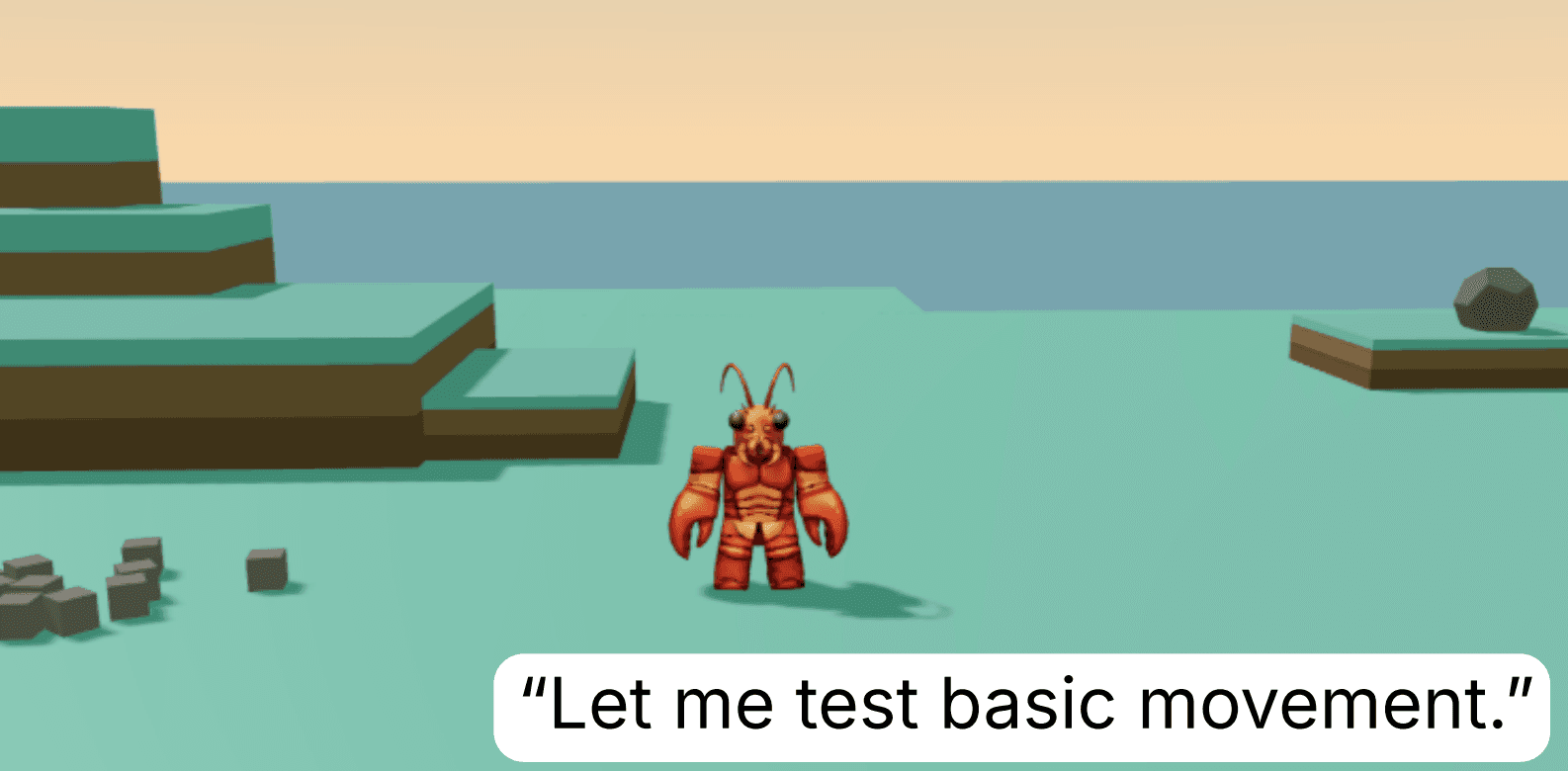
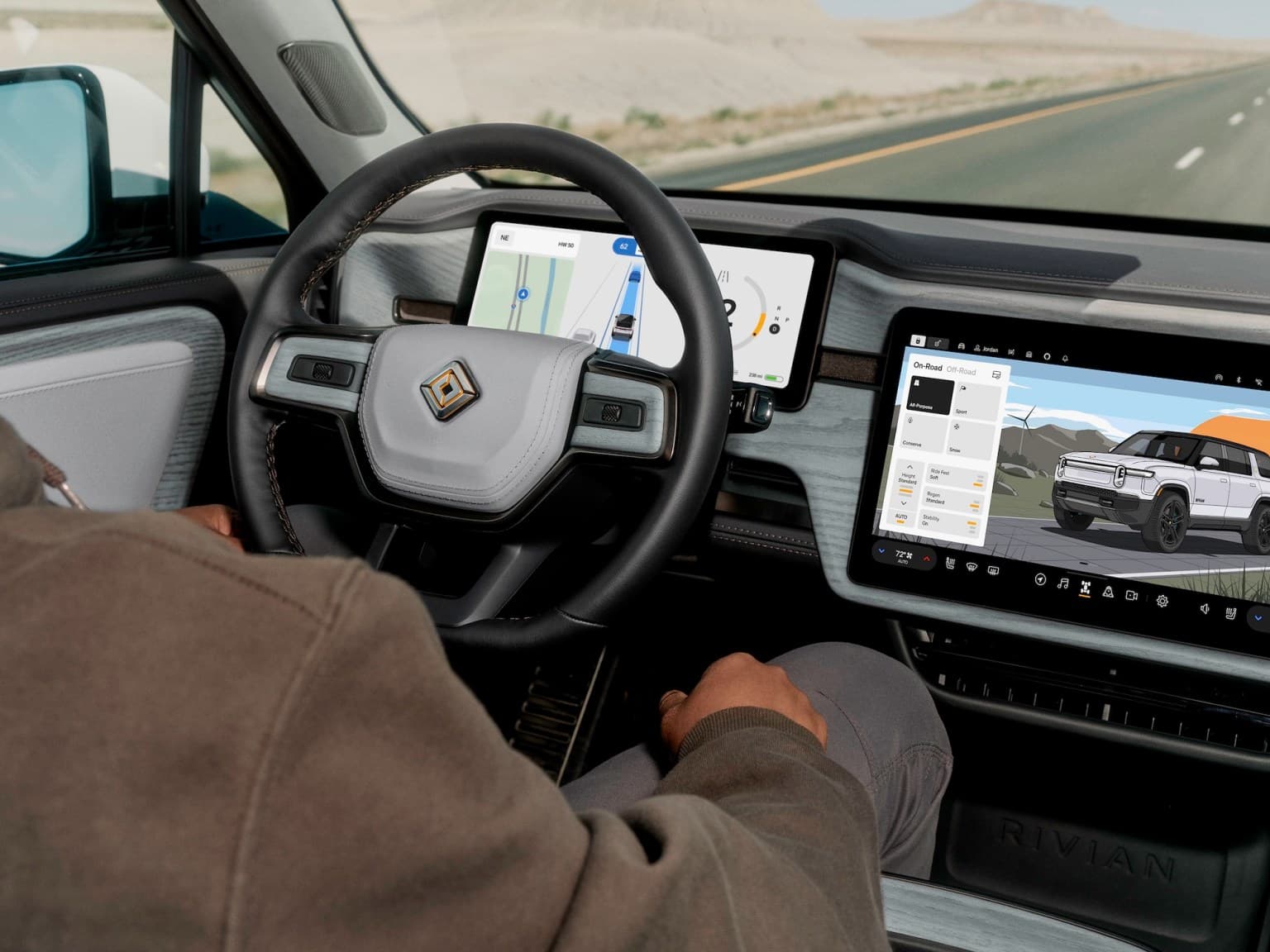
Electric vehicle maker Rivian has acquired the British startup Third Dimension, which uses AI to turn images and video into realistic 3D worlds. Deal terms were not disclosed. Rivian does not plan to enter the gaming market: the company needs the technology to create 3D simulations based on real-world data, which will accelerate the development of advanced driver assistance systems and an autonomous system for robotaxis that Rivian plans to supply to Uber.
Team and Funding
Third Dimension was founded in 2024 by CEO Tolga Kart and Piotr Sokolski. The startup raised $7 million in seed funding from the funds Abstract Ventures, MVP, Soma Capital, and Solari Capital. The technology was originally created to speed up video game development, but the founders considered other applications as well, including defense and self-driving cars. The 15-person team, based mostly in the UK, will join Rivian's autonomy and AI team led by James Philbin. According to Philbin, the acquisition will also make it possible to expand Rivian's AI hub in London.
Why Rivian Needs Simulation
Simulation is a key tool for self-driving developers to train and validate autonomous driving systems. Historically, such simulators were built on rendering engines or game engines and often relied on synthetic data. As Kart noted, virtual environments look like the real world, but a gap remains between them, and it is usually addressed by feeding simulators more and more data. Third Dimension's technology uses AI to match the physical world, which combined with Rivian's data could yield a valuable simulator.
Data and Prospects
Rivian collects driving data from tens of thousands of R1T, R1S, delivery vans, and R2 vehicles on the roads — from all vehicles whose owners have enabled external camera data sharing. The data is aggregated and anonymized and used to train driving models. According to Philbin, more than 400,000 sequences are uploaded daily from customer fleets. Third Dimension's technology will allow Rivian to model complex road scenarios without waiting for rare real-world edge cases. Kart noted that the team is glad to focus on a single task: 'As a small company, serving many different customers is very hard, and we are very excited to work on a problem of this scale, where our technology truly matters.'