The key facts
- Trump struck a diesel deal, eased sanctions and intensified criticism of Zelensky, urging Kyiv to hold elections and change its negotiator
- Special envoys Witkoff and Kushner reportedly proposed unfreezing Russian assets and resuming gas supplies — the EU rejected both ideas
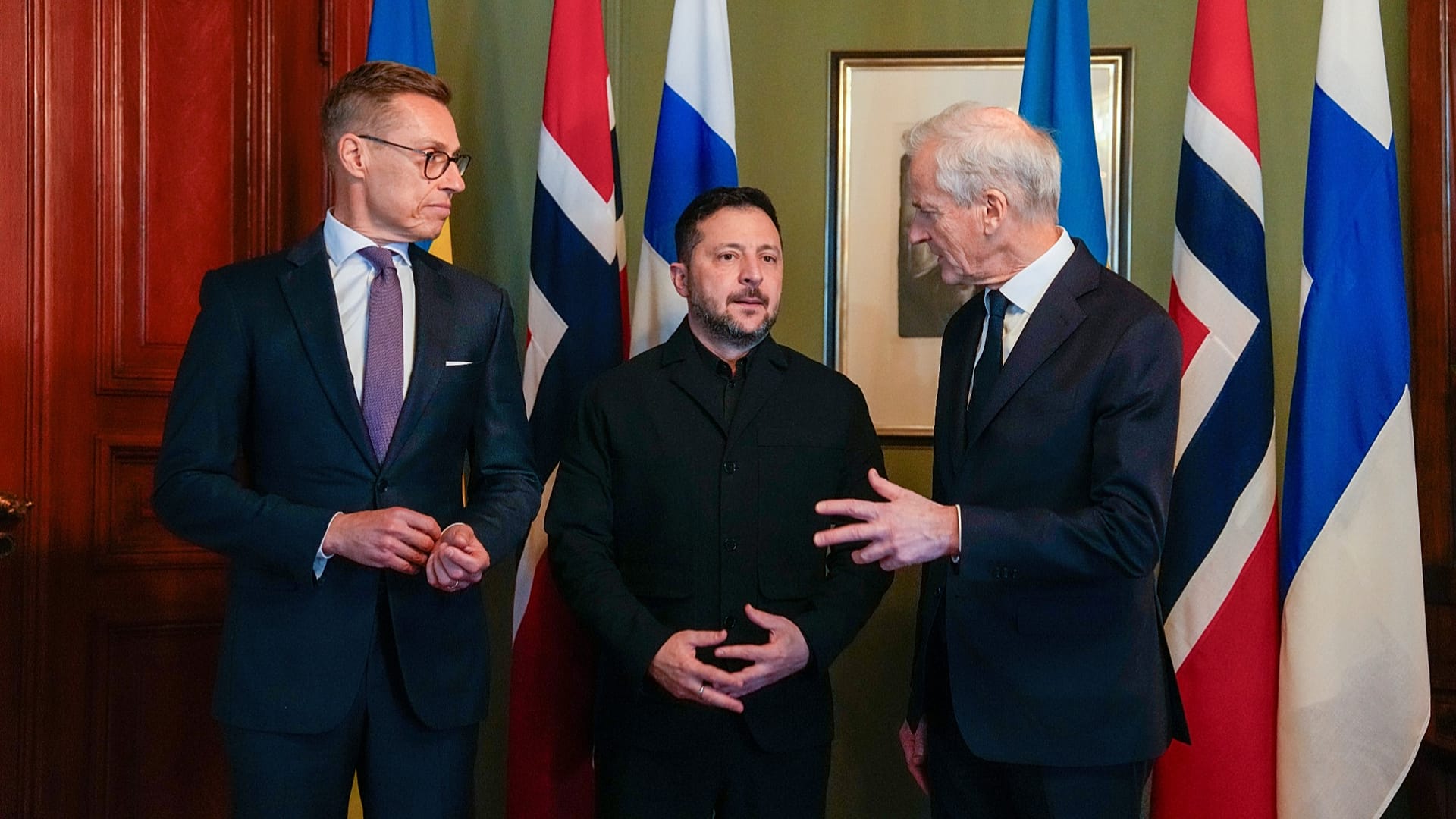
- The Kremlin proposed a trilateral summit with Xi's participation; new talks took place in Norway involving Stubb and Støre
Washington's sharp shift in position
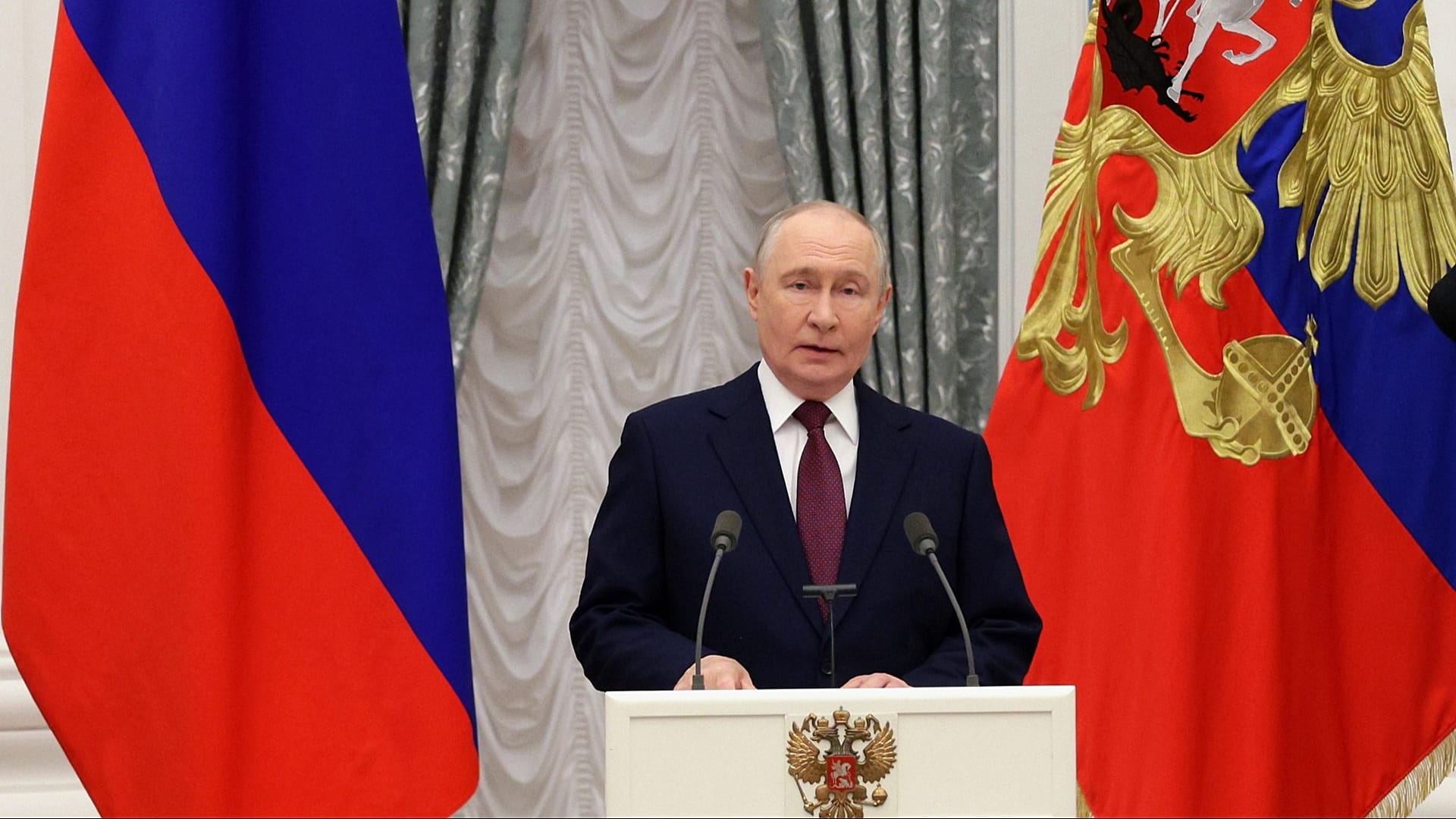
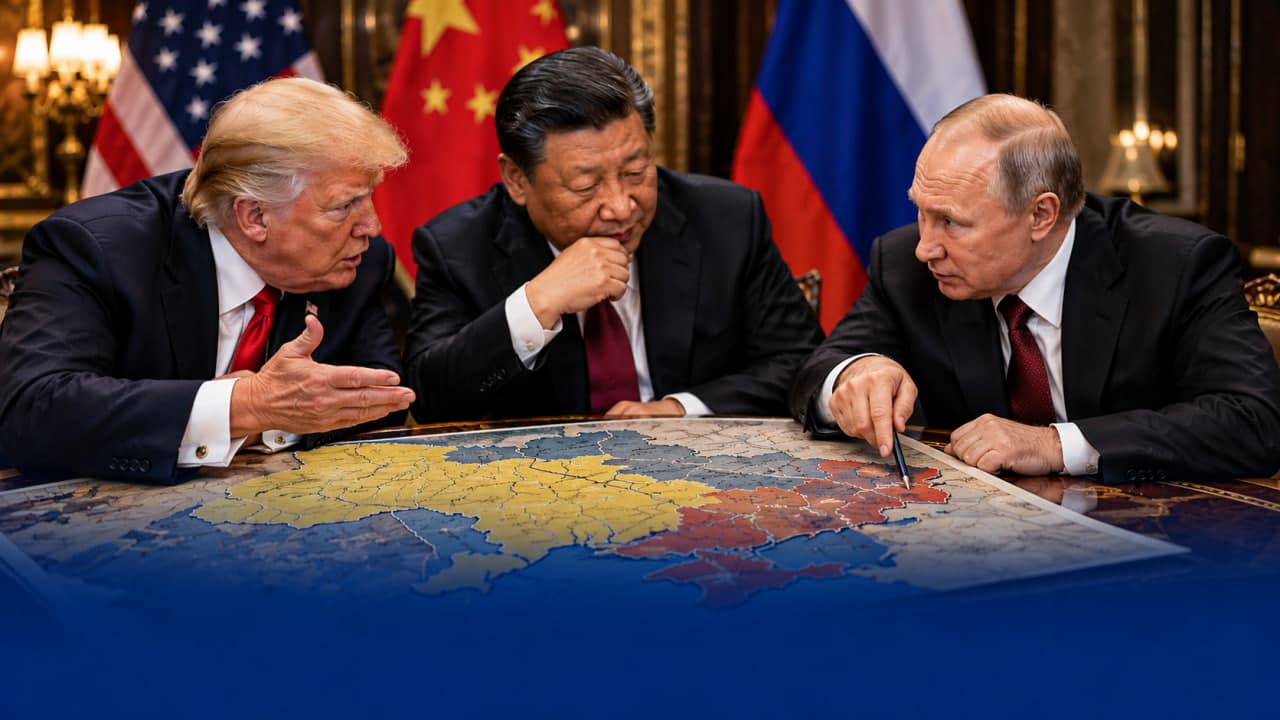
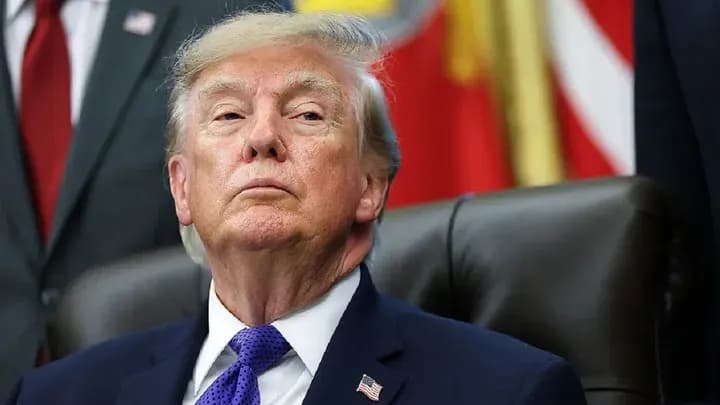
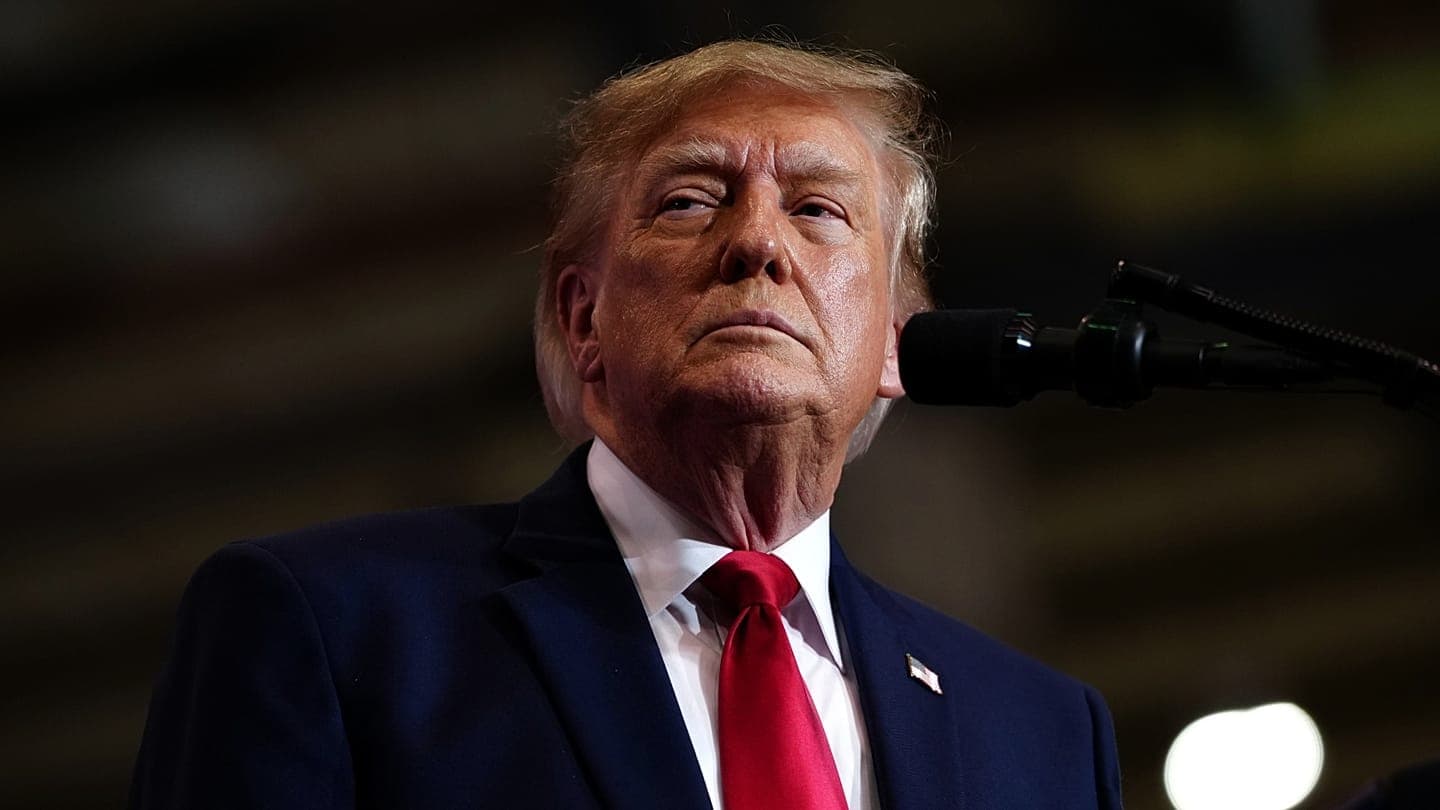
Ukraine and its European allies, according to Euronews, have found that Donald Trump's fondness for Vladimir Putin 'goes far beyond what was expected'. In a short period, the US president has sided with the Russian leader, struck a diesel fuel deal, eased part of the sanctions and, according to the outlet, circumvented the punitive measures he himself signed a month earlier. Attacks on Volodymyr Zelensky have become, as Euronews describes, even harsher. The Kremlin took advantage of the situation, proposing joint projects and a trilateral summit of Putin, Trump and Xi Jinping; Trump, according to the outlet, agrees. In Ukraine, restrictions on Starlink and unexplained delays in US weapons deliveries have heightened fears that Washington is acting in Moscow's interests.
Reaction of European officials
EU foreign policy chief Kaja Kallas told the European Parliament that American negotiators have 'for almost two years been trying to force Ukraine to capitulate', and that Ukraine has not capitulated on Putin's terms precisely thanks to Europe's support. An unnamed senior European official told Euronews that 'no one can understand Trump's infatuation with Putin', noting that Russia's economy is comparable to Italy's, and called the situation 'frightening': 'It is scary that two real estate dealers were sent to negotiate with Putin, where they decided to divide the country.' He was referring to special envoys Steve Witkoff and Jared Kushner, who, according to reports, proposed unfreezing Russian assets and resuming Russian gas supplies to Europe; European governments rejected both ideas. Witkoff drew criticism by calling Putin a 'humanitarian' — hours later, Russia struck Kyiv with 21 ballistic missiles, three of which, according to the outlet, carried cluster warheads.
Domestic politics and elections
Another anonymous official called Trump's pro-sanctions-easing remarks 'worrying and disappointing' and linked them to pressure ahead of the November midterm elections: Republicans risk losing control of both chambers of Congress amid inflation and high energy prices. Trump blames Ukrainian strikes on Russian refineries, although energy experts, according to Euronews, cite his war with Iran as the main cause of oil market instability. The official noted that before the elections 'it is hard to draw firm conclusions', but added that he sees no signs of Ukraine's imminent collapse. A senior European diplomat said that at the table there is 'a clear sense that supporting Ukraine matters even more', and expressed doubt that anything will improve after the elections.
Pressure on Kyiv
In November 2025, the US-backed 28-point peace plan, which was reportedly drafted in Moscow, demanded that Ukraine cede territory, limit its army and renounce NATO. Since then, Euronews writes, disagreements have spread to Kyiv's military needs: the Ukrainian side accuses Washington of delaying Patriot deliveries paid for by European allies, cutting off intelligence sharing on Russian ballistic missiles and restricting satellite communications. The White House denies imposing restrictions for political reasons, and US officials deny that Witkoff and Kushner threatened to withdraw military and intelligence support. The early warning system was subsequently restored. In mid-September, sources in the Kyiv government told Euronews that the US would not issue a licence for Patriot interceptor missile production, despite Trump's earlier public promises; Zelensky later said the president had approved the decision, but no official agreement has been confirmed.
Refinery strikes and attacks on Zelensky
Trump demanded that Kyiv stop strikes on Russian refineries, which reduce Moscow's export revenues. Zelensky initially refused, calling the strikes one of the main levers of pressure, but then proposed suspending them for 30 days in exchange for additional Patriot interceptors. The interceptors, according to the outlet, were not delivered. Trump also urged Kyiv to hold elections and appoint 'someone else' to negotiate with Moscow, although Ukraine's constitution bans elections during wartime. The outlet notes the contrast: in March 2024 the Biden administration did not recognise the Russian elections as free, whereas Trump does not demand elections in Russia and has even invited Putin to the G20 summit in December. One diplomat characterised Trump's approach as follows: 'One is looking for money, the other for glory,' calling the attempt to entice Putin with economic partnerships 'futile'.
Europe's strategy
European leaders, according to Euronews, are shaken but not ready for a rupture with Washington. After months of conflicts over tariffs, Greenland, the ICC and Big Tech, they have adapted their approach to Trump, believing that not every Truth Social post requires a public response. The strategy remains threefold: support Ukraine, pressure Russia and simultaneously engage with the US, keeping a seat at the negotiating table. This week, when the escalation between Trump and Zelensky threatened to turn into a crisis, Norwegian Prime Minister Jonas Gahr Støre and Finnish President Alexander Stubb hastily organised a new round of peace talks in Oslo ahead of Witkoff's visit to Moscow. 'We fully understand that there has been a lot of noise in the public space,' Stubb said. 'In my experience, peace requires patience. But, unfortunately, war does not wait.'