The key facts
- Elephants climb the Udzungwa Mountains to ~2,000 m due to seasonal changes in food and water availability
- In April 2025, the Nyerere–Udzungwa corridor (14 km × 200 m) became the first legally protected wildlife corridor in Tanzania
- 368 landowners received compensation of about 2.2 billion Tanzanian shillings (~$880,000)
Why Elephants Climb the Mountains
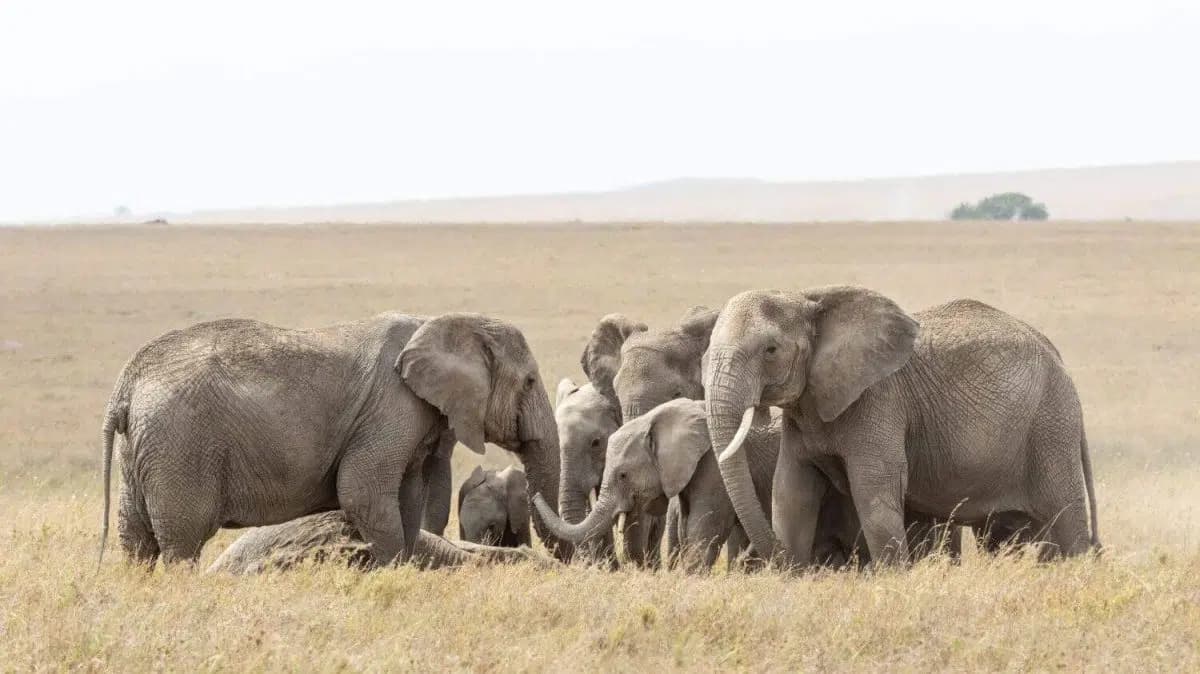
African savanna elephants are the largest land mammals, and they are rarely pictured on wooded mountain slopes. However, according to A-Z Animals, up to a thousand elephants in Tanzania regularly climb the Udzungwa Mountains. The reason is seasonal changes in the availability of food and water. Bamboo growing at an altitude of nearly 2,000 meters serves as a reliable food source for elephants during dry periods, and natural salt licks in the mountains provide the animals with essential minerals.
A Corridor Across Farmland
For decades, elephants crossed the Kilombero Valley during their migrations, where agricultural land has existed for almost 50 years. To preserve the animals' movement route, negotiations with local residents were necessary.
The First Legally Protected Corridor
In April 2025, the government of Tanzania designated the Nyerere–Udzungwa corridor as the country's first legally protected wildlife corridor. It is about 14 kilometers long and 200 meters wide. The corridor connects Nyerere National Park and the Magombero Forest Reserve with Udzungwa Mountains National Park, allowing animals to move between protected areas.
Cameras Recorded 1,400 Crossings
Work on the project began in November 2023. Specialists from the Southern Tanzania Elephant Program, together with partners, installed 59 camera traps along the corridor. In the first 15 months, the cameras recorded at least 1,400 mammal crossings, of which 529 were by elephants. Buffaloes, servals, and honey badgers also used the corridor.
Compensation for Landowners
Each of the 368 landowners who took part in the project allocated between 1,000 and 2,000 square meters of land for the corridor. In total, they were paid about 2.2 billion Tanzanian shillings — approximately 880,000 US dollars. According to officials, new jobs and opportunities to participate in income-generating projects related to corridor maintenance will emerge for the local population.
Conservationists Call for Broader Protection
Conservationists emphasize the need to protect animal migration routes in other areas as well. In the view of George Lohay, a representative of the Grumeti Fund, who was not involved in the project, similar corridors in other parts of Tanzania also need legal protection.