The key facts
- Rivian has already deployed its own AI assistant and an agentic framework that routes requests between a local model and the cloud
- Scaringe announced support for third-party AI agents (e.g., Anthropic); no timeline disclosed — details at the December 'AI & Autonomy Day'
- Agents will not get access to vehicle control: braking and steering are excluded from their scope
Third-party agents in Rivian vehicles
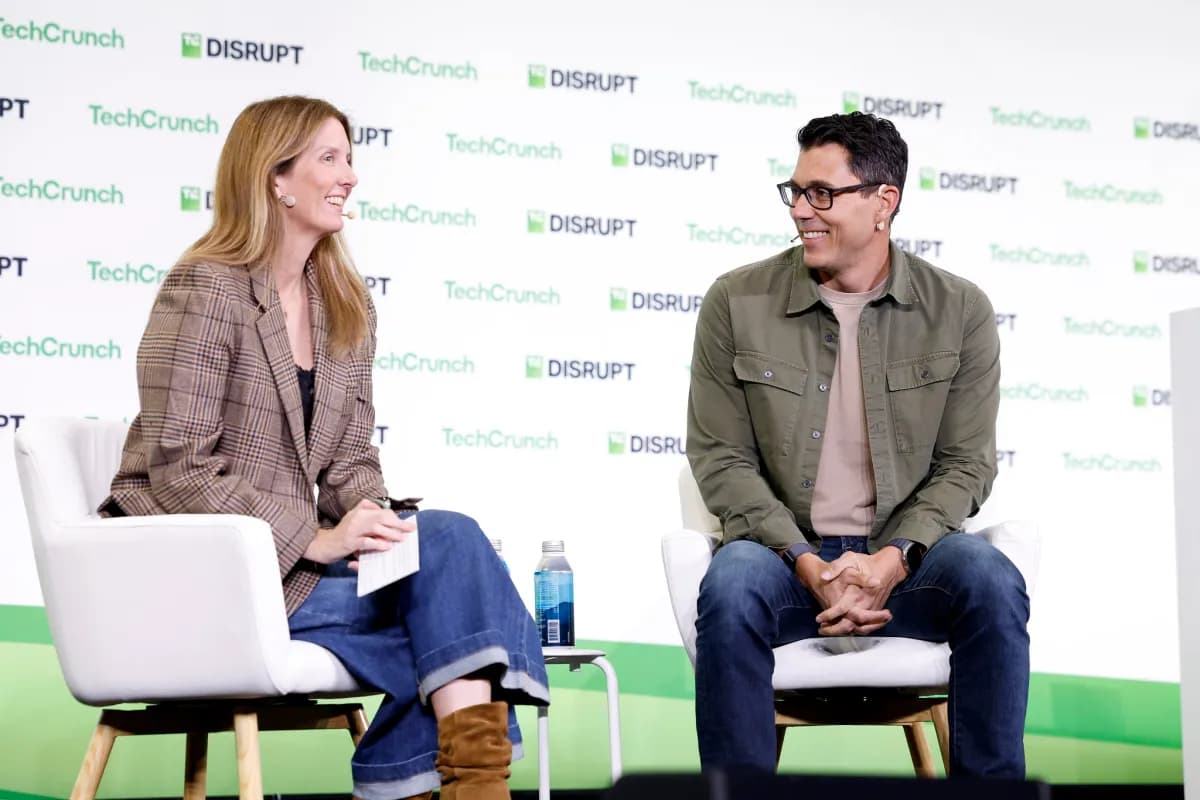
Rivian recently launched an AI assistant that allows drivers and passengers to interact with the electric vehicle by voice. At the TechCrunch Disrupt conference, the company's founder and CEO RJ Scaringe said that in the future Rivian vehicles will be able to run AI agents created by other companies, such as Anthropic. 'That's when it becomes magic,' he said from the stage. Scaringe did not specify exactly when this will happen, and the company declined to comment, citing the 'AI & Autonomy Day' event to be held in December.
In-house software platform
Integrating third-party solutions looks realistic because Rivian develops its automotive software from scratch, without relying on Apple CarPlay or Android Auto, and has built many of the apps itself, including navigation (while also integrating popular services like Apple Music). The company says it has built its own agentic framework that understands what action a person wants to perform and routes the request to the right part of the software. 'Think of it as a traffic light: if you ask the car something, it decides which model to use — a local one on board or, for more complex questions, a cloud one, and even there there are different models,' Scaringe explained.
Technical challenges and safety
By May of this year, the assistant could already access external applications, such as Google Calendar. The next step is products from frontier companies, but according to Scaringe, making them work in a car is not easy: it will require 'a lot of plumbing behind the scenes' and coordination with the labs. Special caution is needed because of proximity to safety-critical systems: 'You wouldn't want an agent deciding: time to brake or steer. So vehicle control is not handed over to agents.'
How it could work
Scaringe believes the implementation will be an extension of the current use of agentic applications: the vehicle will need access to the context that apps like Muse collect about users. For example, a driver might ask to turn on the ventilated seats and then continue: 'We talked about that dinner yesterday, guests are coming to my place on Friday — help me plan the menu.' The car will be able to pull in context from a conversation with the assistant on another device.
Competitors are moving in the same direction
Rivian will not be the first American automaker with AI agents in the car: earlier this year, Tesla added the ability to chat with the Grok chatbot from SpaceX and its assistant Grok Bot.


