The key facts
- Nadella: part of US critical infrastructure is “unpatchable” — firmware, chillers, HVAC and transportation systems are connected to the internet
- Recent large-scale outages (including Outlook) raised suspicions of cyberattacks, but officials have denied them
- AI has accelerated the cycle: patches must be installed instantly, which, according to Nadella, creates instability
Microsoft's chief admits to unfixable vulnerabilities
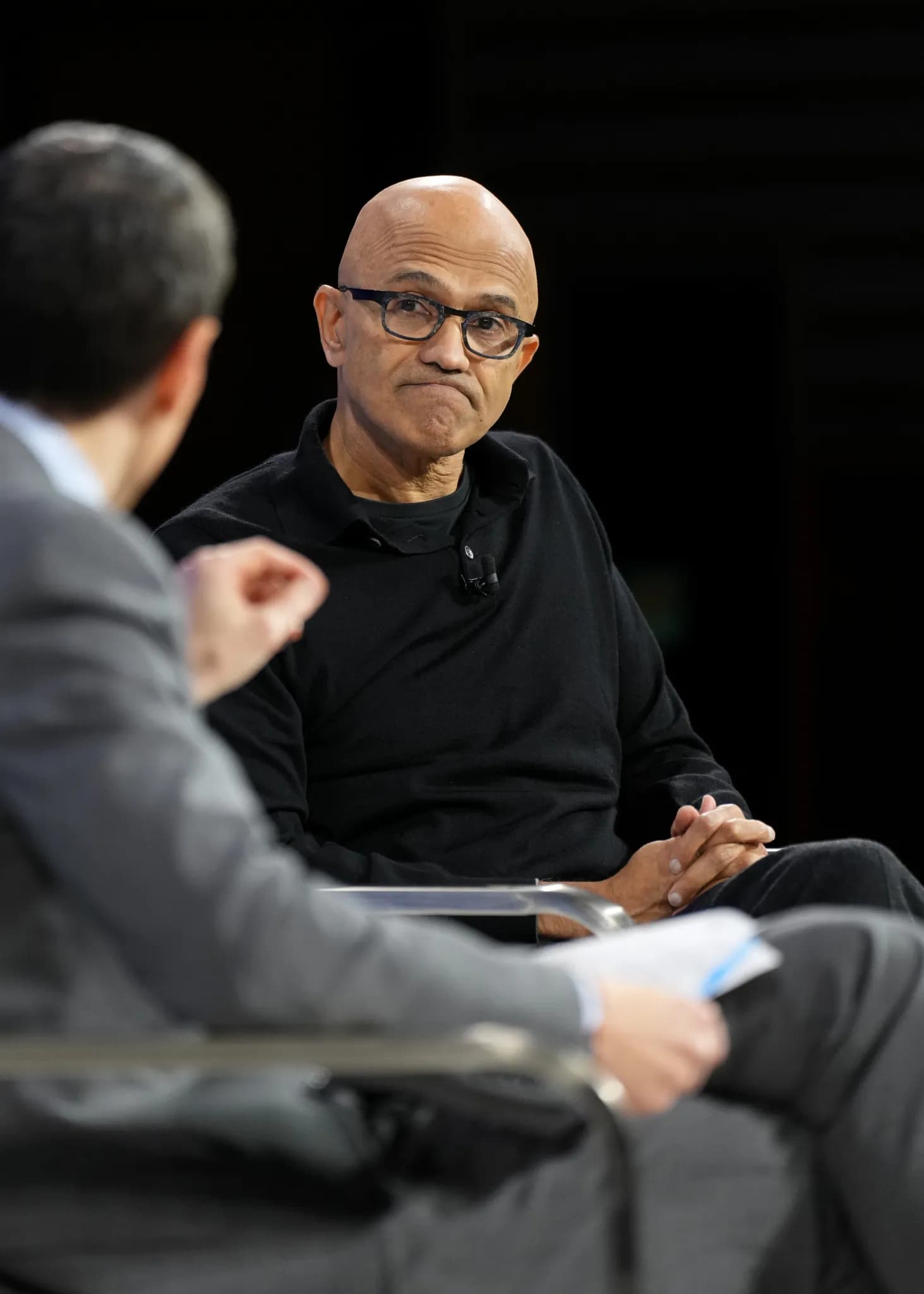
Speaking at The New York Times' DealBook summit, Microsoft CEO Satya Nadella said that a significant portion of the software systems in America's critical infrastructure contains vulnerabilities that cannot be fixed. “Remember: there is a lot in our critical infrastructure that is unpatchable”, he said, citing as examples firmware, chillers (cooling devices commonly used in data centers) and HVAC systems, all of which are nevertheless connected to the internet. He also referred to remarks from interlocutors about transportation systems, where “discoverable” equipment runs on firmware that cannot be updated.
Context: outages and suspicions of attacks
The conversation took place against the backdrop of a wave of recent large-scale outages — including the Microsoft Outlook incident, as well as disruptions that, as TechCrunch listed, affected the NSA, the FAA and Apple. Officials rejected suspicions that these shutdowns were the result of cyberattacks. Regarding the Outlook situation, Nadella said that a “latent bug” had caused a “perfect storm” of global inconvenience; according to him, Microsoft has published an incident report and will take the lessons into account both at the architectural and the operational level.
AI has accelerated both defense and attacks
Nadella pointed to a broader problem: AI has provided “a very powerful tool that finds vulnerabilities,” while at the same time making sophisticated cyberattacks easier to carry out. Companies used to have more time to test patches and deploy them; now, if a vulnerability is being exploited “in the wild,” the patch must reach the production environment instantly — and that, in his words, “creates instability.” He added that the infrastructure will have to be modernized, and then the threat vector and the ability to detect and defend in real time will need to be assessed.