The key facts
- The IDF and Shin Bet launched an operation to destroy a tunnel west of the 'yellow line', the part of Gaza controlled by Israel
- Hamas called the advance beyond the line and the evacuation of residents a 'flagrant violation' of the October 2025 ceasefire
- Gaza's civil defence reported three people killed in separate drone strikes; 1,658 Palestinians have been killed since the ceasefire began
Ground operation beyond the 'yellow line'
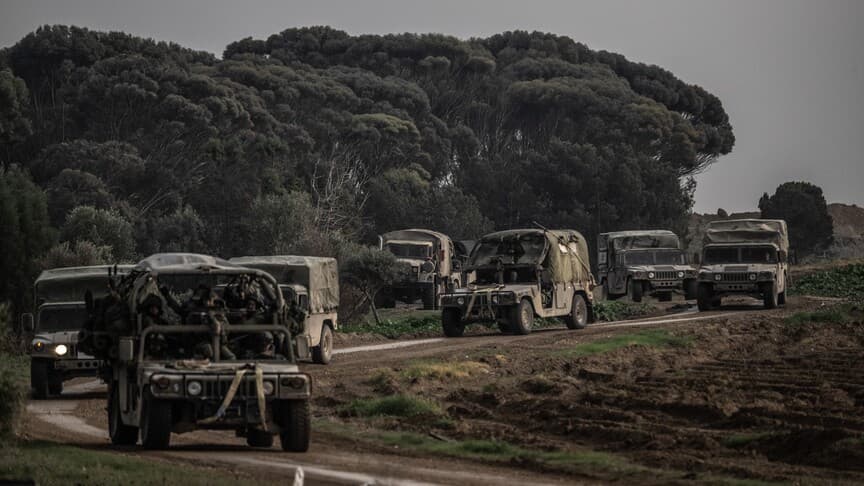
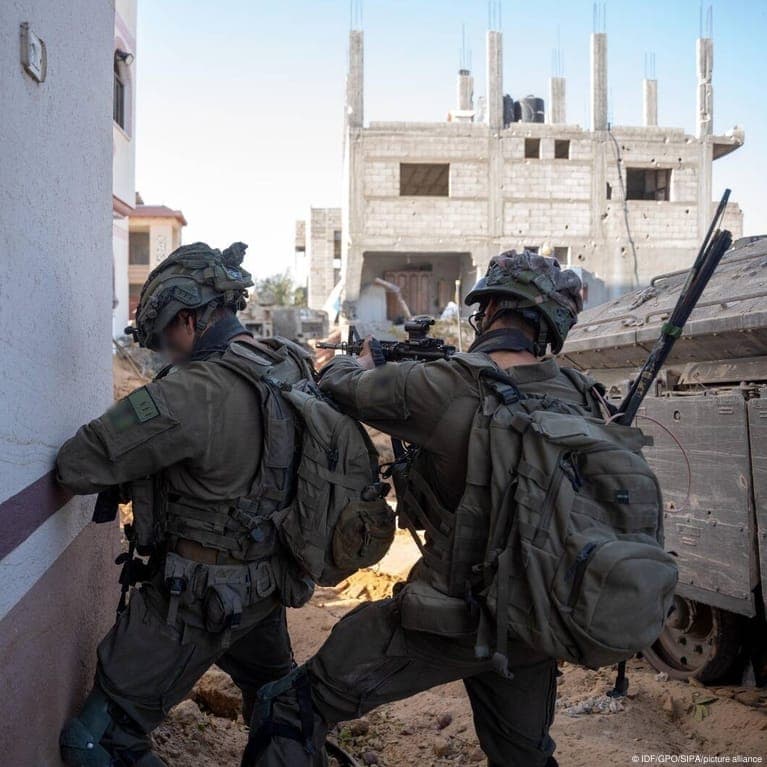
The Israeli army carried out a rare ground operation in the central part of the Gaza Strip beyond the territory it controls. According to witnesses, tanks advanced east of the Nuseirat refugee camp and reached the Strip's main road running from north to south, under the cover of artillery strikes. In the afternoon, an Arabic-speaking spokesperson for the Israeli military body Cogat announced the start of the operation and warned Palestinians living north of the Nuseirat and Bureij camps to stay away from the area; a section of the Salah al-Din road was closed to traffic.
Statements by the parties on the goal and on the ceasefire violation
The IDF said it had launched a joint operation with the Shin Bet security service to destroy a 'terror tunnel' west of the 'yellow line' — the boundary of the more than 60% of Gaza's territory controlled by Israel — which, according to the military, posed an 'immediate and direct threat' to soldiers. The army stressed that it was acting 'in accordance with the ceasefire agreement'. Hamas, which controls the rest of the Strip, said in a statement that the advance of Israeli vehicles beyond the line and the evacuation of residents were 'a dangerous development and a flagrant violation' of the ceasefire agreement concluded in October 2025.
Fleeing residents and reports of casualties
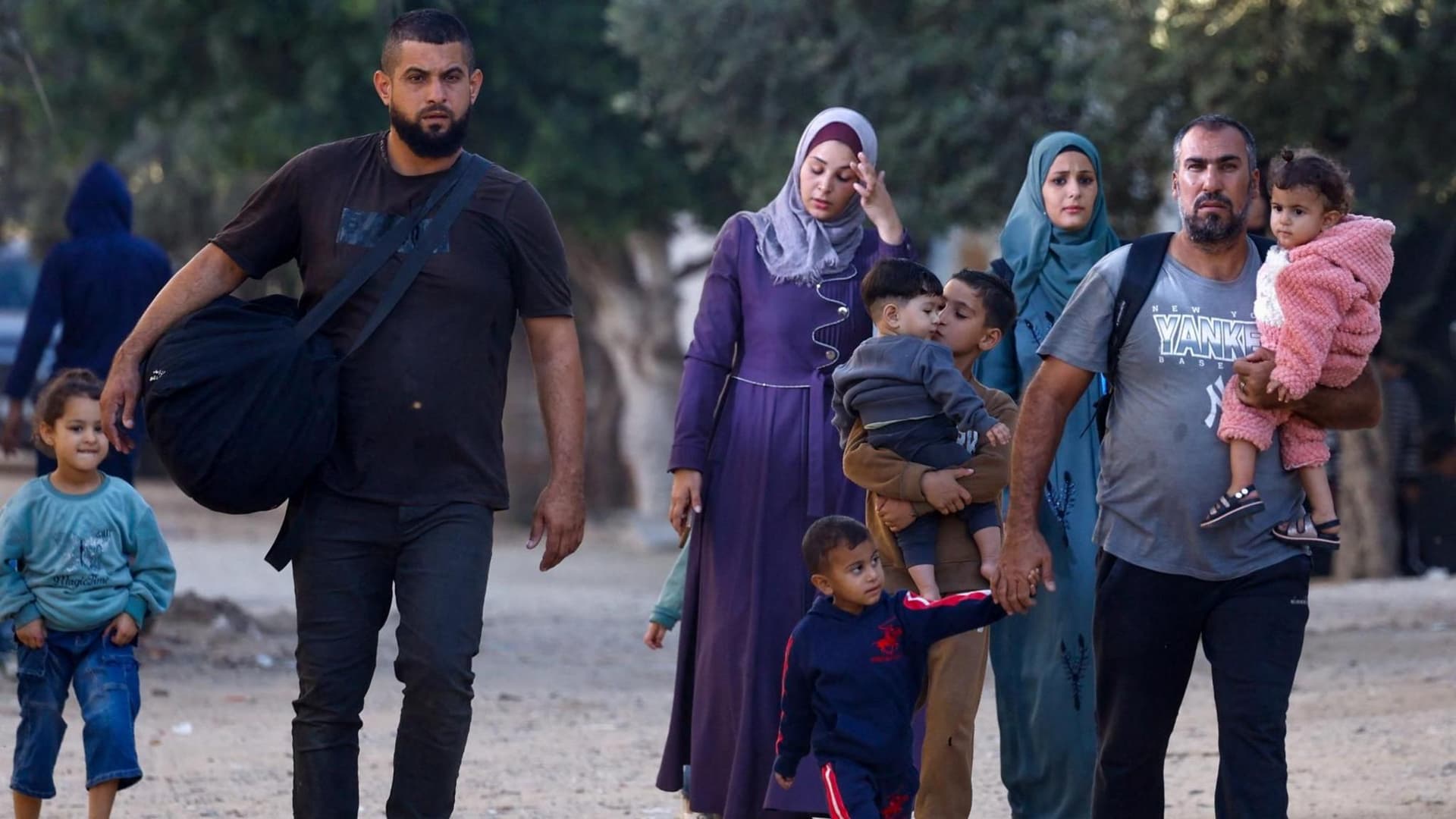
Video verified by BBC Verify shows a man ducking after an artillery shot and running along the Salah al-Din road about 1.5 km west of the 'yellow line'; gunfire can be heard in other recordings. A resident of Nuseirat who was forced to flee told the BBC Arabic programme that he was unable to take even a blanket or clothing with him, while another resident reported 'indiscriminate shelling' and 'numerous casualties, including deaths'. In response to a request about reports of deaths, the IDF replied only with a general statement about the operation. Gaza's civil defence, which is subordinate to Hamas, reported three people killed in three separate Israeli drone strikes on the same day — in Nuseirat, Gaza City and Deir al-Balah; the army said the first two strikes targeted 'terrorists' and that it had no knowledge of the third.
Context: a ceasefire that has not stopped the violence
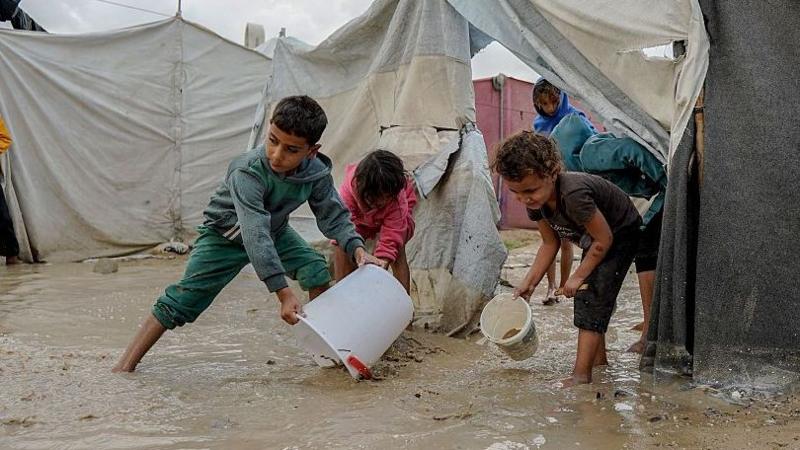
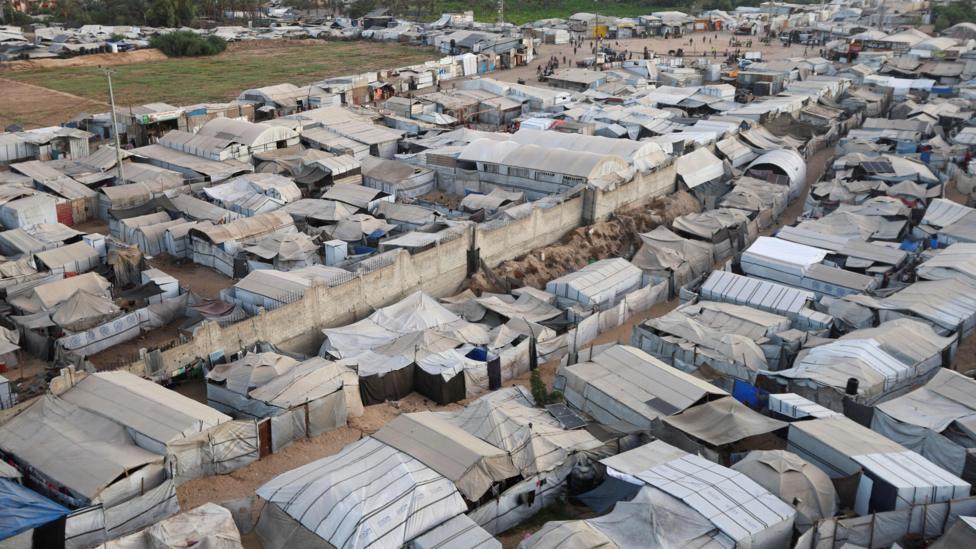
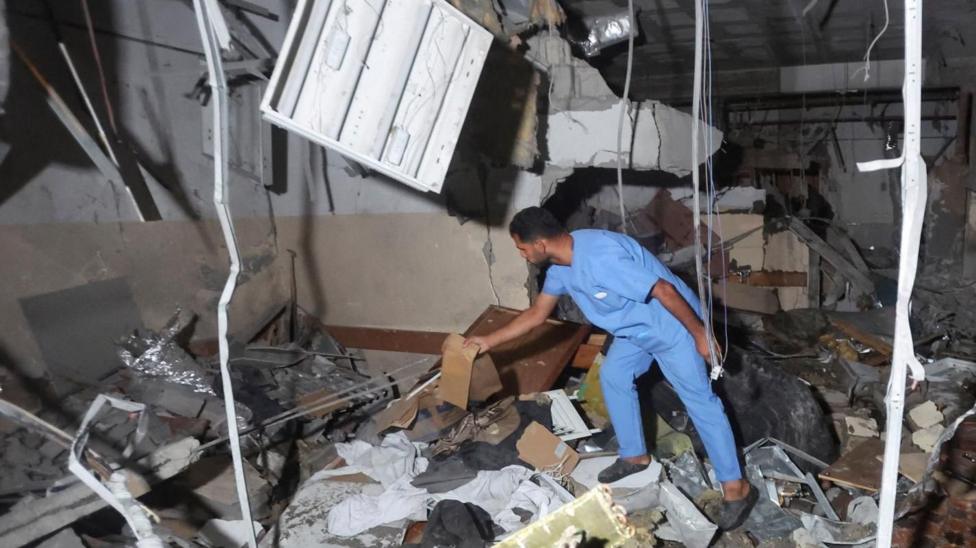
Violence in Gaza continues even after the ceasefire: according to the health ministry, which is subordinate to Hamas and whose figures the UN considers reliable, at least 1,658 people have been killed in Israeli attacks since the ceasefire began; the Israeli army reports six deaths on its side over the same period. More than 1.9 million people — about 90% of Gaza's population — remain displaced, of whom 1.4 million live in tents or temporary shelters, according to the UN. Reconstruction has not begun: an estimated 82% of all buildings have been destroyed or damaged, and US President Donald Trump's peace plan is largely stalled. The disarmament of Hamas remains the key sticking point: the group has agreed to hand over its weapons in exchange for a phased Israeli withdrawal from 60% of the Strip, but Israel insists on complete disarmament before any withdrawal. The war began with Hamas's attack on southern Israel on 7 October 2023, in which about 1,200 people were killed and 251 taken hostage; since then, more than 74,700 people have been killed in Gaza, according to the health ministry.
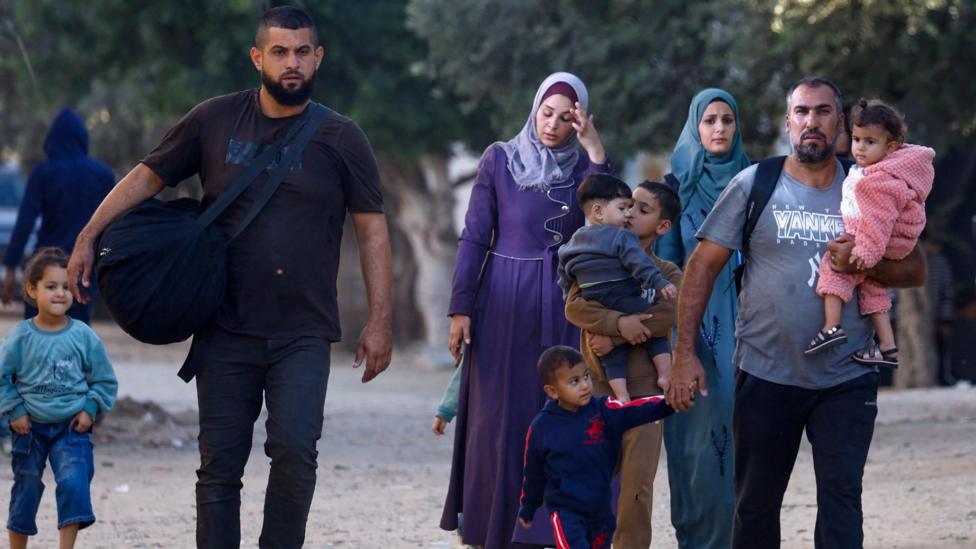 Image source, Reuters
Residents fled the area near Nuseirat and Bureij refugee camps following the Israeli evacuation order