The key facts
- From January 2022 to September 2026, more than 65 cyberattacks disrupted treatment: postponed surgeries, redirected ambulances, and five power outages lasting more than a month
- SonicWall recorded 264,000 alerts about attacks on UK healthcare in the first five months of 2026 — ten times more than in all of 2025
- UAE hospitals are implementing multi-layered protection, backup power and operating under the Abu Dhabi health department's cybersecurity standard
Attacks have become more frequent
Hospitals around the world, including in the UAE, are strengthening cyber defences: as medicine goes digital, online attacks and technical failures increasingly threaten interrupted treatment and leaks of patient data. A report by the US Health Management Academy showed that from January 2022 to September 2026, more than 65 cyberattacks disrupted care delivery — on average more than one per month. Consequences included redirecting ambulances, cancelling and postponing surgeries and appointments, and five power outages lasted more than a month. A SonicWall specialist recorded 264,000 alerts about attacks on British healthcare providers in the first five months of 2026 — ten times more than for all of 2025.
Microsoft outage exposed vulnerability
A recent global Microsoft outage, which the company attributed to an internal technical problem and a lack of network capacity, showed how vulnerable medicine is to digital failures even without a cyberattack. In the UAE, patients at some hospitals could not book appointments online or contact staff by email and Teams. In the UK, hundreds of NHS hospitals and GP practices could not confirm appointments or retrieve patient data, and Canada's Unity Health Toronto declared a 'Code Grey' due to the email failure. The Australian Medical Association reported administrative problems at clinics.
How UAE hospitals are preparing
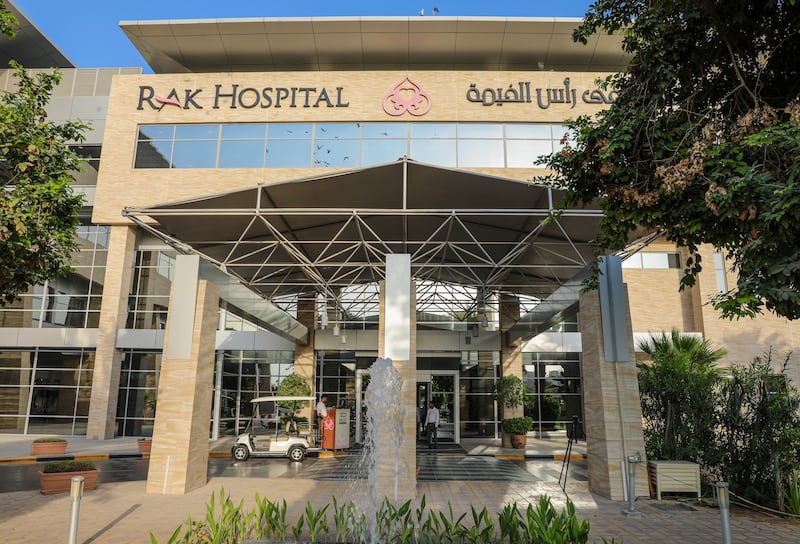
Burjeel Holdings founder and head Dr Shamsheer Vayalil noted that 'blind spots' have grown sharply: hackers are attacking refrigeration equipment, infusion pumps and blood supplies, and this is the 'new normal' that must be prepared for. RAK Hospital's IT head Rohit Patwardhan said critical clinical systems are hosted with redundancy, regular backups and defined recovery procedures; the hospital conducts regular disaster recovery drills, and critical systems are protected by instant backup power and automatic generators. In his words, technology resilience is a matter of patient safety, not just IT. The parent Arabian Healthcare Group is building a new multi-profile hospital with 209 beds.
Risk to cold storage
In mid-October, hackers attacked more than 700 supermarkets in France, raising temperatures and destroying tonnes of perishable food; weeks later, a second wave of attacks caused similar damage across Europe. This raised concerns about medical cold storage: transplant tissue and blood supplies require cooling. Dr Zain Kenderian, head of Bascom Palmer Eye Institute in Abu Dhabi, said temperature-controlled medicines and patient records at the centre are protected, and critical processes have documented downtime procedures. The centre, like other hospitals in the capital, operates under the mandatory Abu Dhabi Healthcare Information and Cyber Security Standard of the health department. 'Most attacks on healthcare do not start with sophisticated code, but with a convincing email,' he noted.
Experts: hospitals are an easy target
FTI Consulting senior director of cybersecurity in the Middle East Nebu Varghese called hospitals an easy target: attackers target connected infrastructure — outdated building management systems and refrigerators holding blood and vaccines — and use compromised third-party access or leaked credentials. In his assessment, the use of agentic AI opens a new era: autonomous agents can find vulnerabilities and launch ransomware in days rather than weeks, and the paralysis of clinical operations maximises pressure on hospital management to pay a ransom. Kaspersky researcher Maher Yamout added that medical institutions are attractive because of the volume of sensitive data, and human error remains a major entry route, so training staff in cyber hygiene is essential. A separate problem is the interoperability of modern systems with old medical equipment that is difficult to update.