The key facts
- Turkey's electric vehicle fleet reached 501,005 cars in October, up 50.9% year-on-year
- The number of public charging connectors reached 48,971 according to EPDK data as of September
- The Energy Minister expects 6–8 million electric vehicles on the roads by 2035
Half a million electric vehicles
The number of registered electric vehicles in Turkey exceeded 500,000 in October, reaching 501,005 — a 50.9% increase compared to the same month last year. This is according to the Turkish Statistical Institute. In total, 18.19 million passenger cars are registered in the country, and fully electric models account for 2.75% of this fleet. Hybrids have also grown: there are 938,008 of them, or 5.16% of the fleet. For comparison: in 2015 there were only 565 electric vehicles in the country, by 2024 — 183,776, and by 2025 — 370,591.
Charging network and 2035 targets
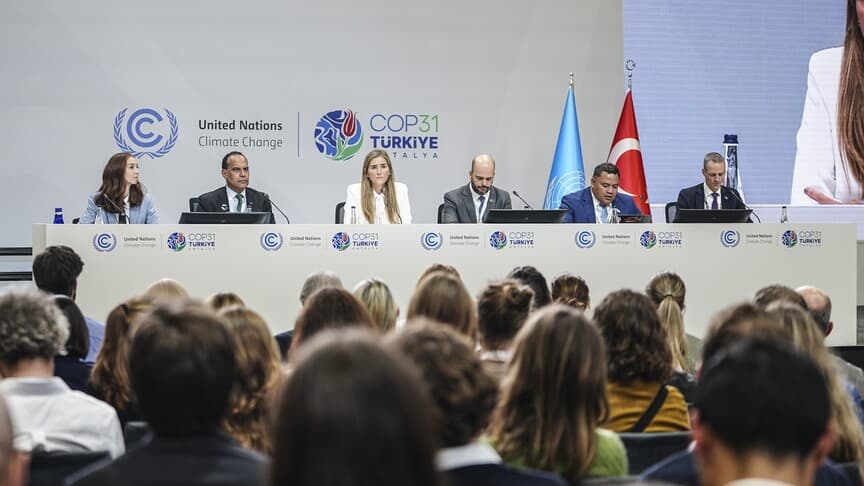
Infrastructure is growing along with the fleet: according to the regulator EPDK as of September, the country had 48,971 public charging connectors — 27,664 alternating current and 21,307 direct current. The Sarj@TR platform publishes information on station locations, connector types, prices, and availability. Minister of Energy and Natural Resources Alparslan Bayraktar stated that Turkey expects 6–8 million electric vehicles on the roads by 2035. The topic of electrification was also raised at the COP31 climate conference in Antalya: the presidency is promoting a goal of raising the share of electricity in final energy consumption to 35% by 2035, from just over 20% today. In the 2025 energy partnership paper between Turkey and Germany, grid capacity, rural coverage, and permitting procedures are named among areas requiring attention.
Batteries and new models — the next stage
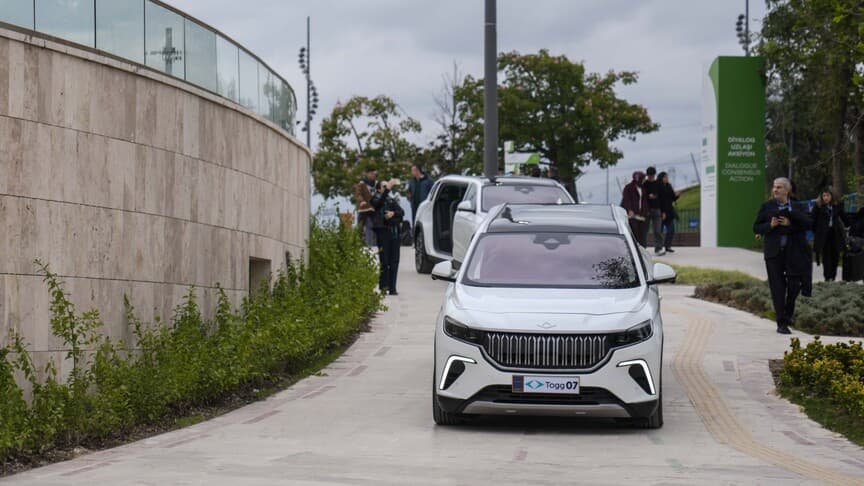
Togg plays a key role in the domestic market: for the year, the company reported delivering 39,020 T10X and T10F models in 2025, and its total number of users exceeded 88,000. In addition to cars, it is developing the Trugo charging service, the Trumore platform, and the Siro battery joint venture with China's Farasis Energy. Siro plans to produce cells, modules, and battery packs at its campus in Gemlik with a capacity of 20 gigawatt-hours by 2031; corporate reporting had suggested that cell production would begin in 2026, however the start of production has not been confirmed. In May, Togg agreed with CAIT — a subsidiary of China's CATL — to jointly develop a platform for three new B-segment models on the Bedrock chassis; CATL expected the first model to enter series production in 2027. This is a cooperation on an automotive platform, separate from the investment in battery cell production. In addition, according to the Investment Office, Hyundai plans to produce the Ioniq 3 model in İzmit — this would make it the second brand after Togg to produce electric vehicles in the country. Further growth of the fleet will depend on whether automakers, battery plants, charging operators, and the power grid can expand in a coordinated manner.