The key facts
- The trilateral summit of Xi, Trump and Putin will take place in Shenzhen on the sidelines of the 33rd APEC summit
- Beijing said the leaders will discuss 'important matters concerning global peace'
- Trump said he would raise the topic of 'denuclearization'; a possible meeting with Kim Jong Un has not been confirmed by Pyongyang
An Unprecedented Trilateral Meeting in Shenzhen
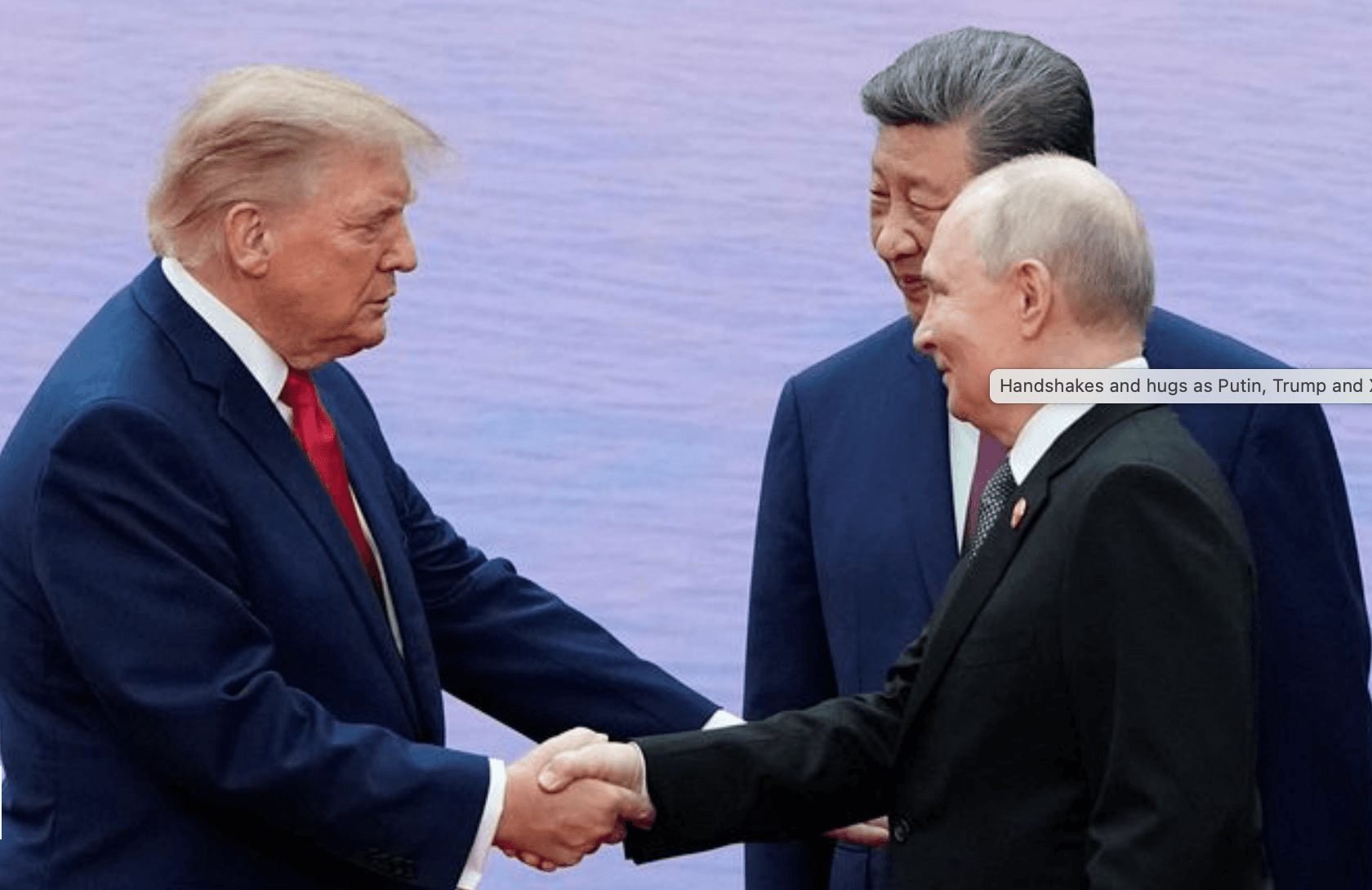
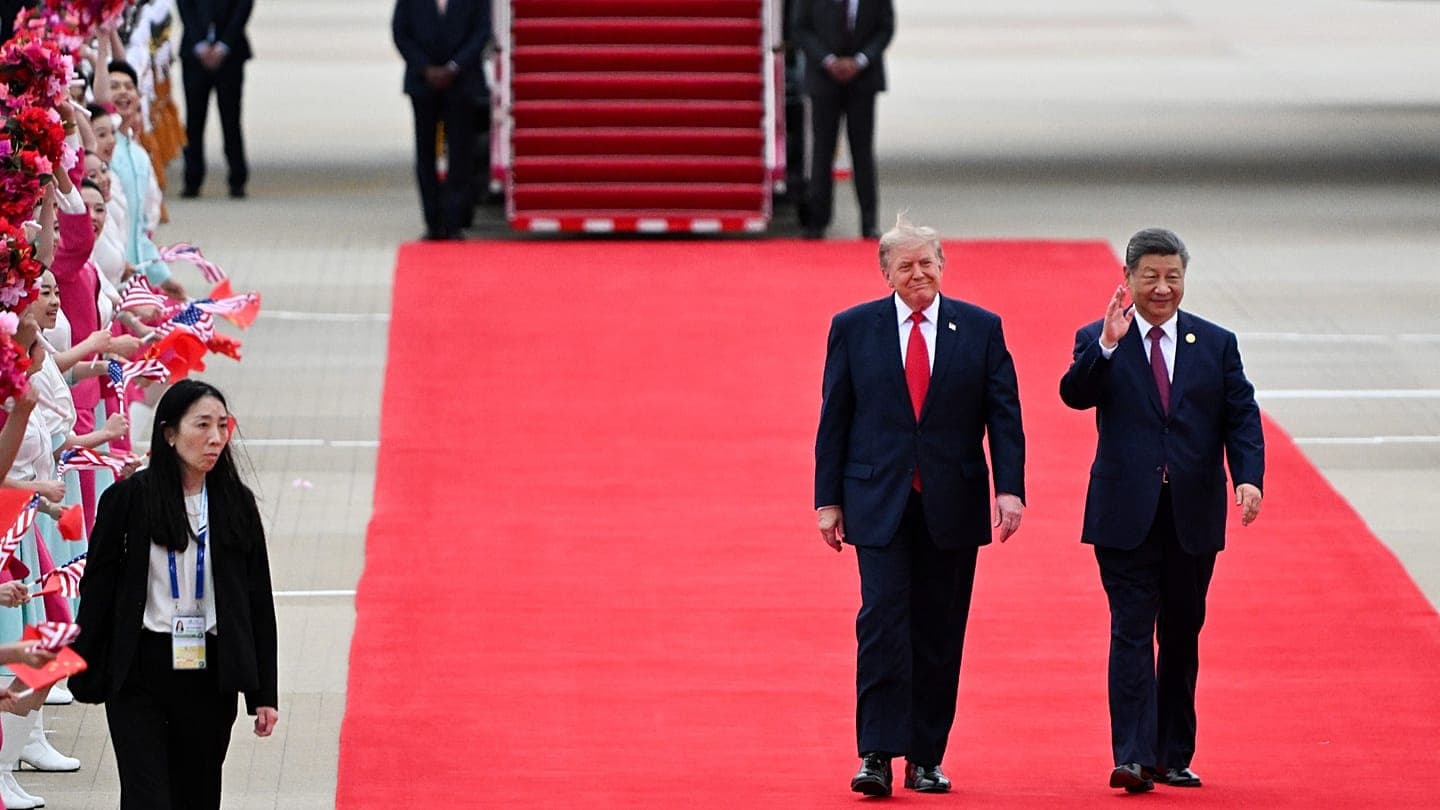
The presidents of China, the US and Russia will hold a face-to-face trilateral meeting on November 19 in the south-eastern Chinese city of Shenzhen. It will take place on the sidelines of the 33rd summit of the Asia-Pacific Economic Cooperation (APEC), which opened on November 18 with a business leaders' meeting. The upcoming summit was announced by the official spokesperson of China's Foreign Ministry, Guo Jiakun: according to him, the heads of the three states 'will have an in-depth exchange of views on important matters concerning global peace.' This format of a meeting of the three leaders is described as unprecedented.
Context and Open Questions
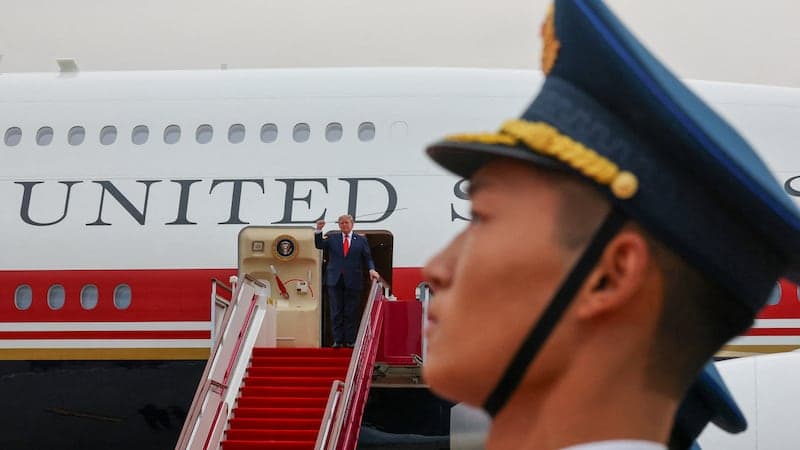
The summit is taking place against the backdrop of US military operations against Iran ongoing since February of this year and Russia's war with Ukraine, which has been going on since 2022; Trump has meanwhile spoken of a possible end to the Russian-Ukrainian war. It remains officially unclear whether Israeli strikes on the Gaza Strip and the topic of a two-state solution will be on the agenda. The US president said he would discuss 'denuclearization' with his Chinese and Russian counterparts. He also suggested that he 'might' meet with North Korean leader Kim Jong Un during his Asian tour, but Pyongyang has not confirmed any agreement. Trump's two-day visit to China began on November 18 after a state visit to the Philippines, where he took part in the 'Quad' summit (the US, Japan, India, Australia) and met with ASEAN leaders. Earlier the same day, Putin, speaking to participants of the APEC business meeting, called economic 'coercion' 'a thing of the past,' emphasizing sovereignty in national decisions and development models.