The key facts
- By the end of 2026, $5.4 billion in foreign investment and $1.2 billion in exports are expected in the Namangan region
- Goals for 2027 have been set: economic growth of 9.5%, investments of $7–8 billion, and exports of $1.3 billion
- Investment proposals worth $5.4 billion have been formed; the airport, IT park, housing for 50,000 apartments and youth training were discussed
Meeting on the results of reforms in the Namangan region
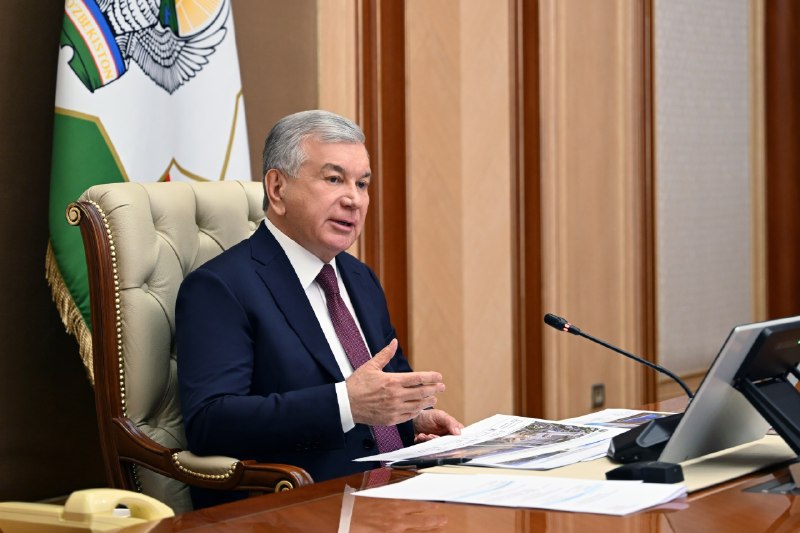
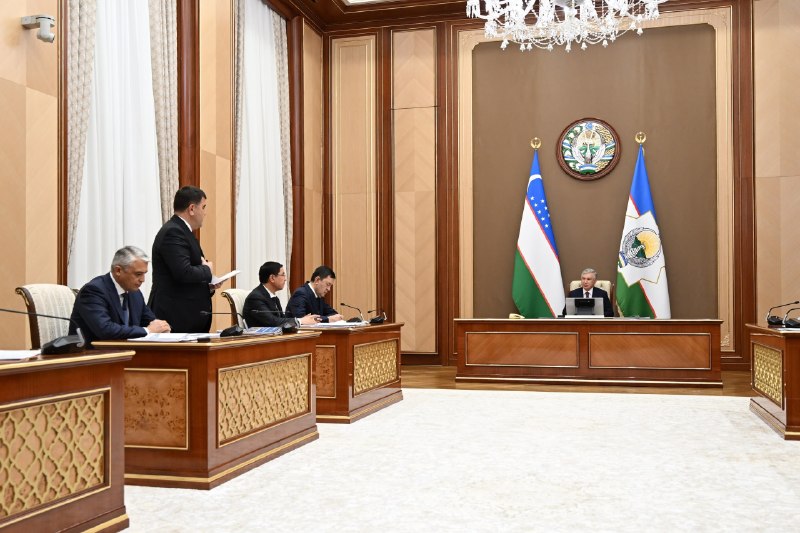
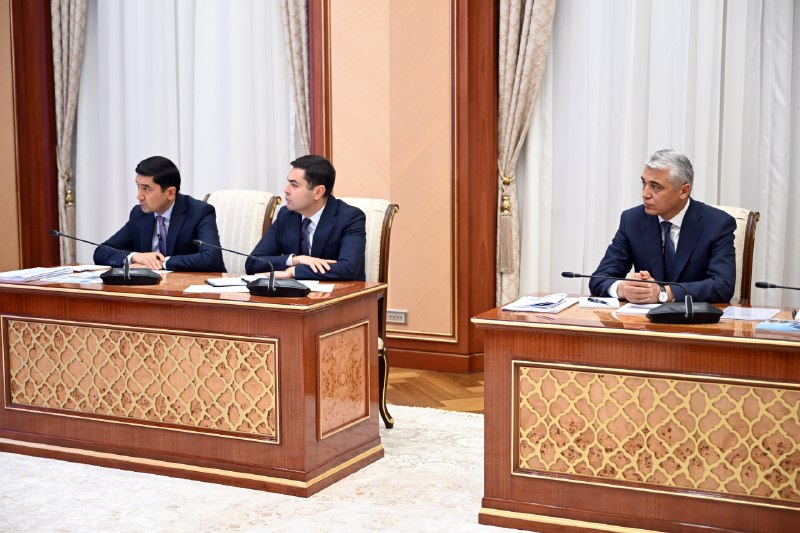
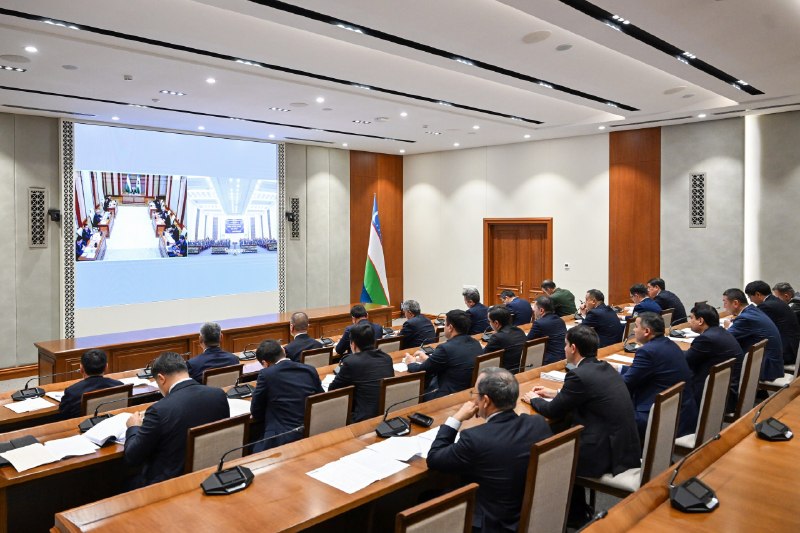
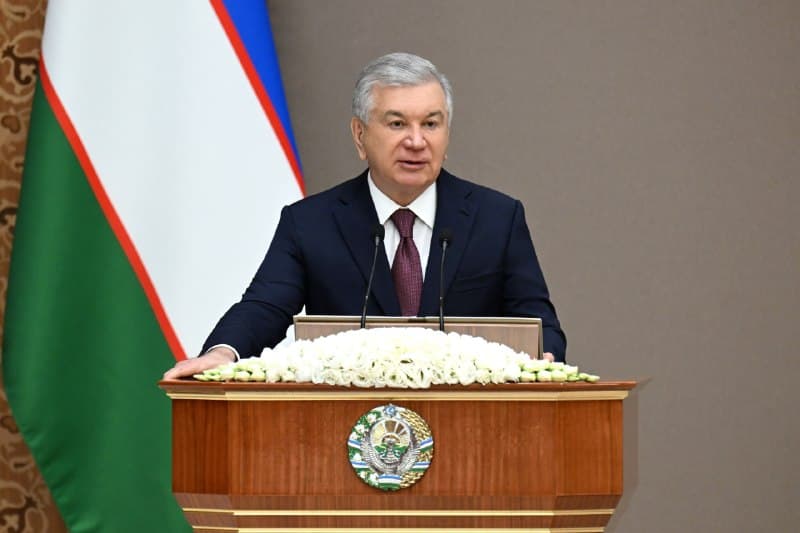
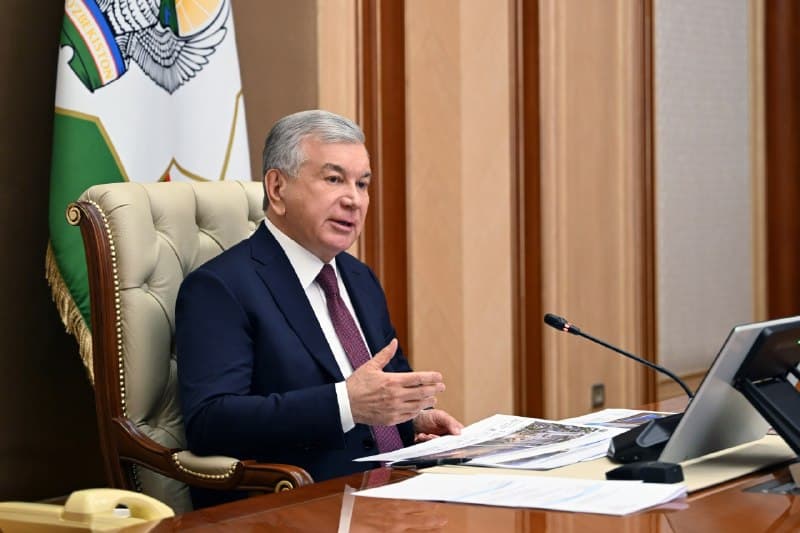
President Shavkat Mirziyoyev held a meeting dedicated to improving the effectiveness of reforms in the Namangan region, harnessing the region's economic potential, ensuring employment and increasing the population's incomes. The president's press service published the announcement on November 18; Kun.uz, however, dates the meeting itself to November 19, so the exact date of the meeting differs across sources.
Investment targets and new proposals
At the meeting it was noted that, by the end of the current year, the volume of foreign investment attracted to the region is expected to reach $5.4 billion, and exports $1.2 billion. For the following year, the possibility of economic growth of 9.5%, an increase in investments to $7–8 billion and exports to $1.3 billion was announced. To these ends, new investment proposals with a total value of $5.4 billion have been formed. The president instructed to turn them into concrete projects, create conditions for investors and place the implementation of the initiatives under strict control.
Infrastructure, industry and housing
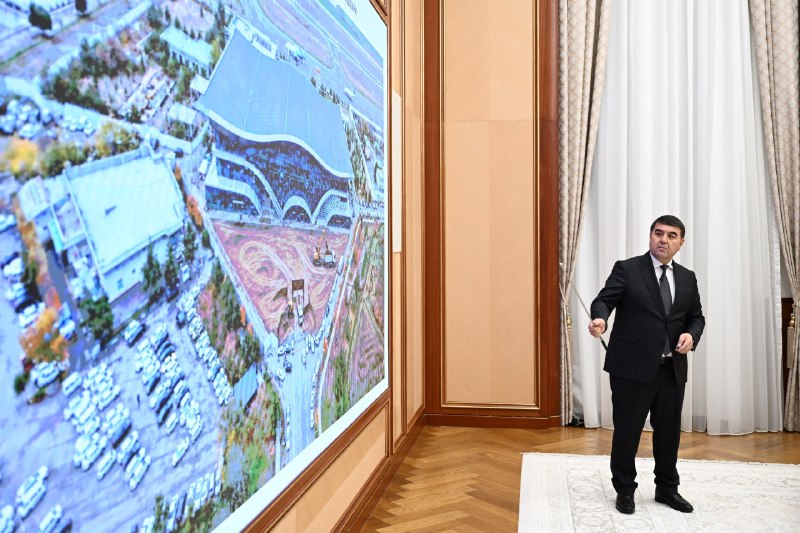
A project for the expansion and modernization of the Namangan international airport was presented: a new terminal with a capacity of 1,200 passengers per hour and cargo infrastructure capable of handling 21,200 tons of cargo per year are being built. In industry, projects are being implemented in the Chust district for the production of textile yarn worth $260 million, electricity generation from waste worth $150 million, and basalt thermal insulation materials worth $125 million. In the Pop district, capacity for the production of silver concentrate is planned to be created, in Yangi Namangan — pharmaceutical products, as well as the construction of an IT park building where dozens of technology companies are expected to be located. The Yangi Namangan town is also implementing a housing project for 50,000 apartments with social and service facilities.
Agriculture and tourism
Special attention was given to utilizing the potential of 183,000 hectares of land, deep processing of products and agro-industrial cooperation. Considered were a cluster of 70,000 sheep in the Turakurgan district, the development of poultry complexes, and a plan to build a livestock complex for 25,000 head of cattle in the Kosonsoy district. In the city of Almas in the Chust district, it was proposed to create a dehqan school with an agro-academy, an agro-innovation center, an agro-industrial park, agro-logistics and agro-tourism. In tourism, discussed were the Arashan multifunctional complex in the Pop district — its first phase is planned to be launched in 2027 with the aim of attracting up to 1.5 million tourists per year — and the Kamchik mountain resort project. It was also proposed to develop tourist zones in Yangikurgan, Kosonsoy and Chust, where a crafts town with more than 4,000 jobs is planned to be created.
Employment and incomes of the population
The key topic was youth employment: of the 786,000 young people in the region, the task was named of teaching foreign languages and modern professions for employment in domestic and foreign markets. The creation of an Italian language center at the Ibrat Institute of Foreign Languages was noted; an instruction was given to organize targeted language and professional training for 10,000 young people to work with high incomes in Japan and Germany next year. The task was set to raise the average income of the region's population to 9.6 million soums. Following the meeting, the regional khokimiyat and the reform headquarters received instructions on the timely implementation of major projects, increasing jobs and addressing the population's problems in a targeted manner.