The key facts
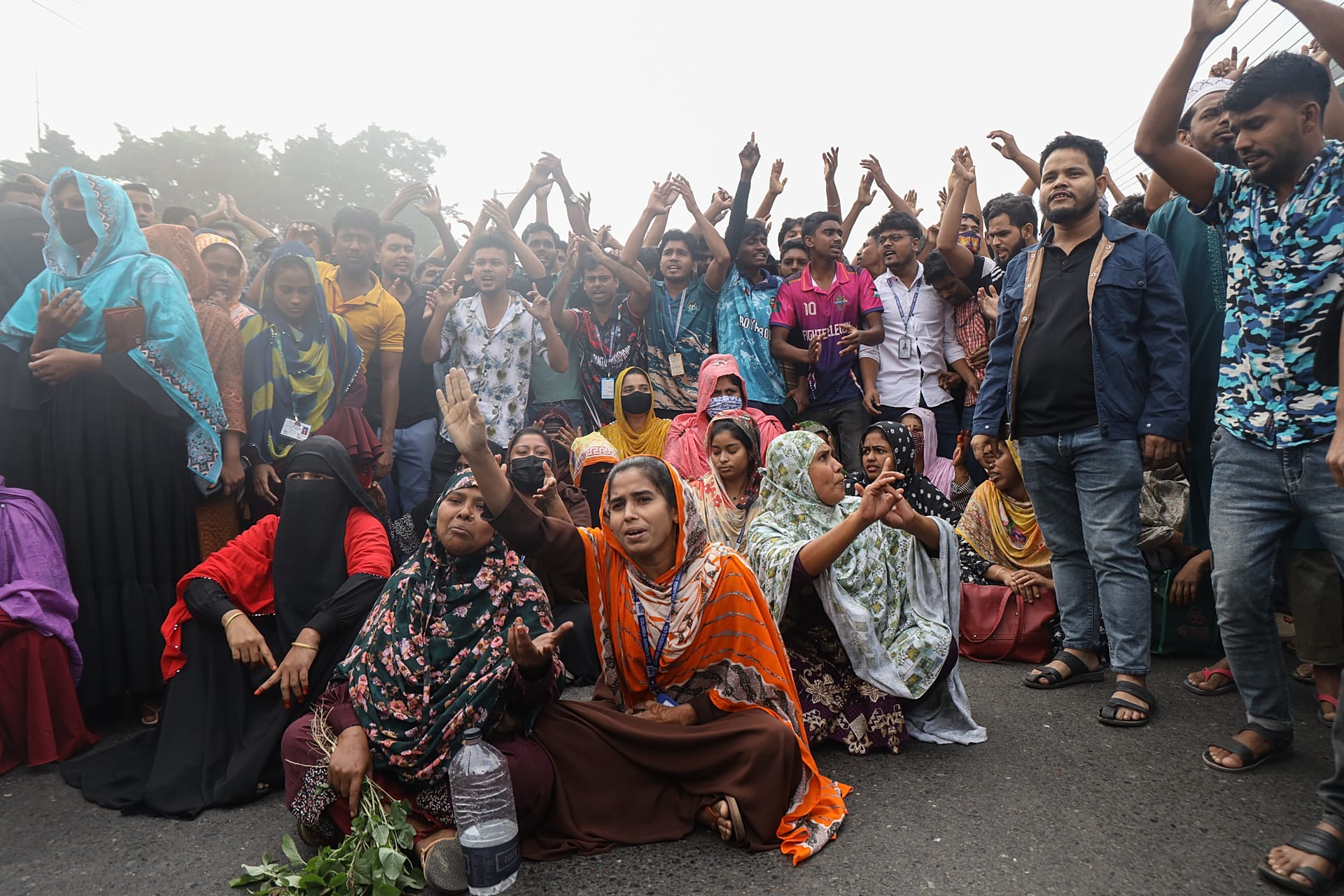
- About 20,000 workers blocked the Dhaka–Aricha highway in Savar; police used tear gas, stun grenades and batons
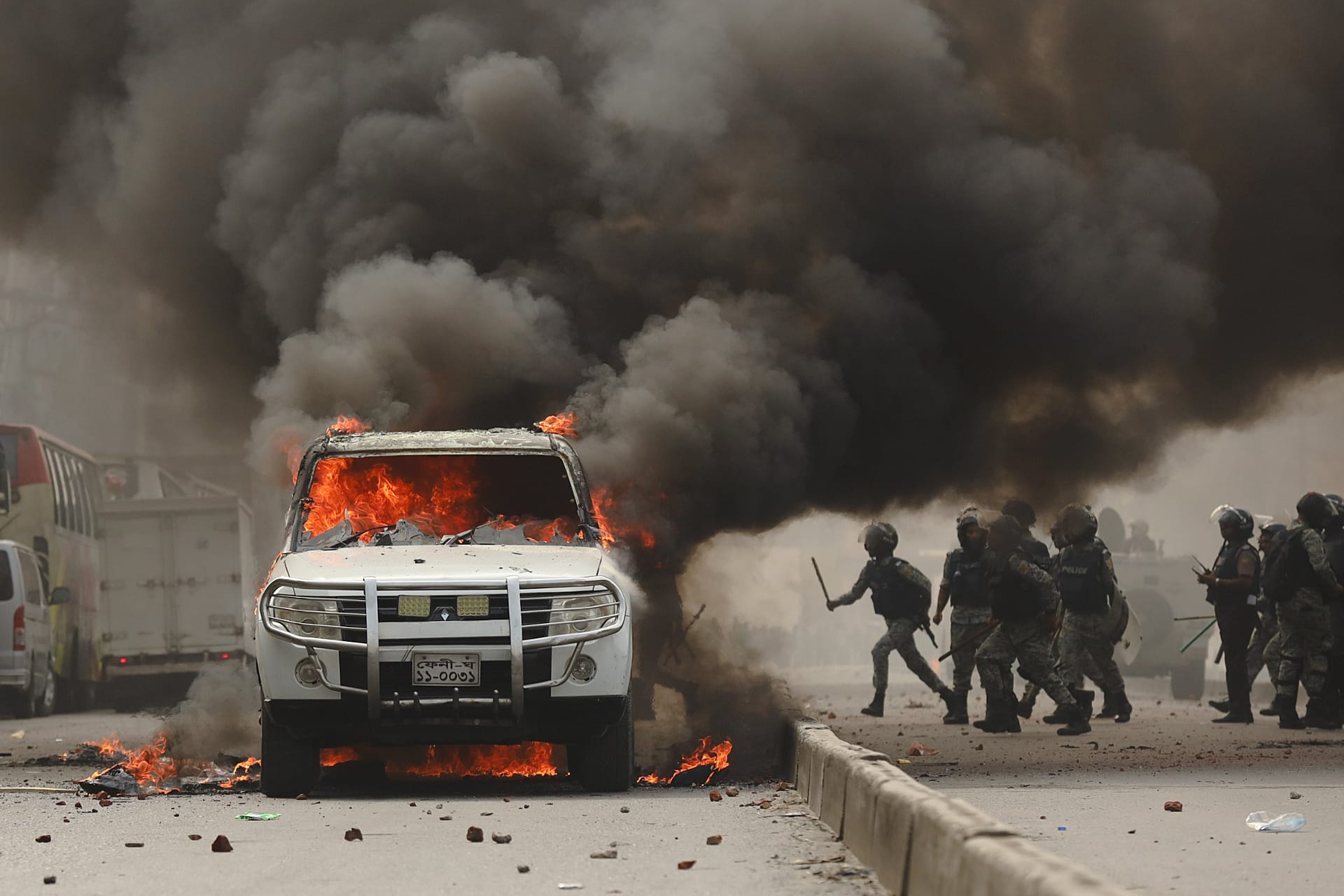
- In Gazipur, protesters set a police vehicle on fire; about 25 factories are closed in Ashulia
- Workers are demanding a minimum monthly wage of 30,000 taka instead of the current 12,500
Clashes in industrial zones around Dhaka
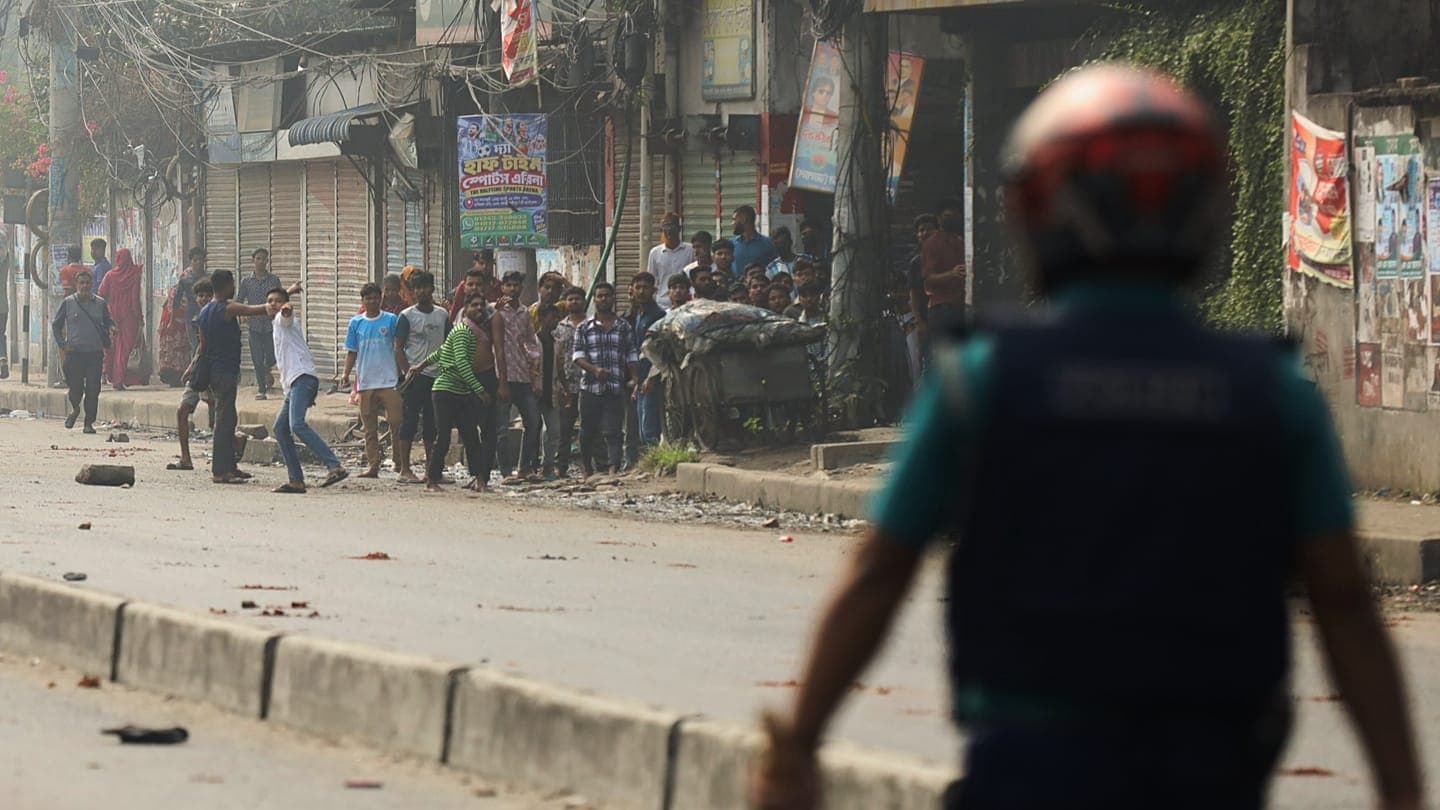
In Bangladesh, police clashed with thousands of garment workers demanding an increase in the basic minimum wage. According to local police and media, about 20,000 workers from one of the factories took to the streets and blocked the Dhaka–Aricha highway in Savar, near the capital. To disperse the demonstration, police used tear gas and stun grenades, and also attacked protesters with batons. The number of injured could not immediately be confirmed.
Unrest spreads to Ashulia and Gazipur
The unrest spread to the neighbouring district of Ashulia, where about 25 factories have been closed. Local police chief Saiful Alam said that law enforcement began the dispersal after protesters blocked the highway and pelted them with stones. Unrest also occurred in Gazipur, a major industrial zone near Dhaka: there, demonstrators blocked the Dhaka–Mymensingh highway and set a police vehicle on fire; police again used tear gas and stun grenades.
The essence of the demands and the scale of the industry
The protests intensified in early November: the closure of hundreds of factories and street clashes have become regular occurrences in recent weeks. Workers are demanding a minimum monthly wage of 30,000 taka (about 215 euros) instead of the current 12,500 taka (about 89 euros), citing the rising cost of living and inflation, which have reduced purchasing power. About 4 million people are directly employed in the industry, mostly women from rural areas of the country, while related industries provide jobs for several million more. Bangladesh's garment industry, which includes about 2,500 factories, brings the country about 40 billion dollars (36 billion euros) a year in export revenue.
The position of the authorities and business owners
Many factories are idle because of the 'no work, no pay' provision in labour legislation, which allows owners to suspend production during unrest. The government has formed a council to develop a new wage package, but these efforts have so far failed to calm the protesters. The Garment Manufacturers and Exporters Association and the Knitwear Manufacturers and Exporters Association have demanded protection for their factories.