The key facts
- Nvidia's stakes in private companies grew to $65.5 billion versus $22 billion in January
- $16 billion was invested in shares in a single quarter, and $58 billion over nine months of the fiscal year
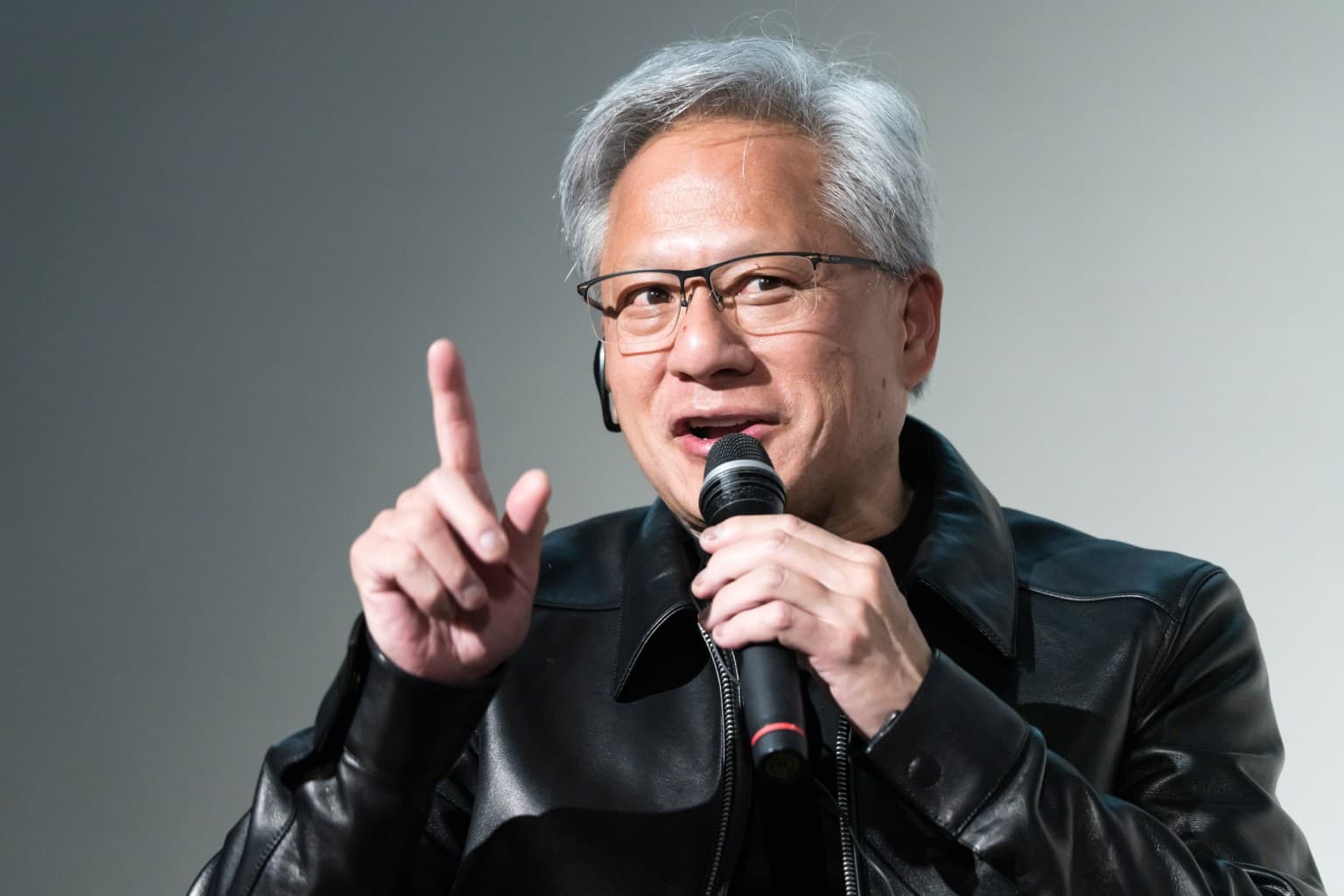
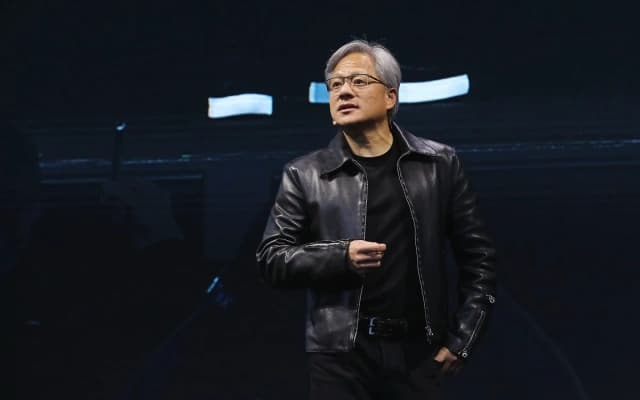
- Investors expect a reduction in startup investments under the company's interim chief
Portfolio nearly tripled in a year
Nvidia disclosed that its stakes in private companies are now worth $65.5 billion — versus the $22 billion reported in January. The growth is explained both by new investments and by a significant revaluation of existing portfolio companies. In the last quarter alone, the company invested $16 billion in shares, and $58 billion over the first nine months of the current fiscal year. For comparison: in November 2025, Nvidia reported $5 billion spent on purchasing stakes in the first nine months of the fiscal year. This includes purchases of shares in both public and private companies.
The largest investor in the AI ecosystem
Back in late 2023, Nvidia stated that the goal of corporate investments was to expand the AI ecosystem by supporting startups that the company considers 'game changers and market makers.' Over the following nearly three years, according to PitchBook, the chipmaker invested in roughly 350 startups. Among them are Anthropic and OpenAI, 'neo-labs' such as Thinking Machines and Reflection, 'neo-cloud' providers Lambda, Nscale and Crusoe, as well as companies developing AI infrastructure, robotics and applications. Nvidia has also become a major financier of data center construction: it reported $118 billion in guarantees, of which $105 billion is backing for OpenAI's $500 billion data center in Ohio.
What will change after Huang
It is unclear whether this pace will continue under the interim CEO and Jensen Huang's successor. On the earnings call, CFO Colette Kress said that Nvidia will continue to provide financial support to strong customers, but 'as the market matures and additional sources of capital emerge' it will 'rigorously evaluate future investments, commitments and guarantees.' According to TechCrunch, Huang's active dealmaking caused concern for Kress, and investors expect her to become more selective in new investments and to write smaller checks to existing portfolio companies. Kress also said on the call: 'We intend to return all excess free cash flow net of strategic expenditures to shareholders in this last quarter and beyond.' For the venture ecosystem, the main question is whether the company will support startups at least close to the previous level without Huang at the helm; for now, venture investors are preparing for a substantial reduction in capital.