The key facts
- The law was passed with 147 votes, supported by the ruling coalition and Italia Viva
- The IHRA definition of antisemitism is enshrined, including examples related to criticism of Israel
- A national coordinator, a three-year strategy, and a database of hate crimes are being created
The law was approved by parliament
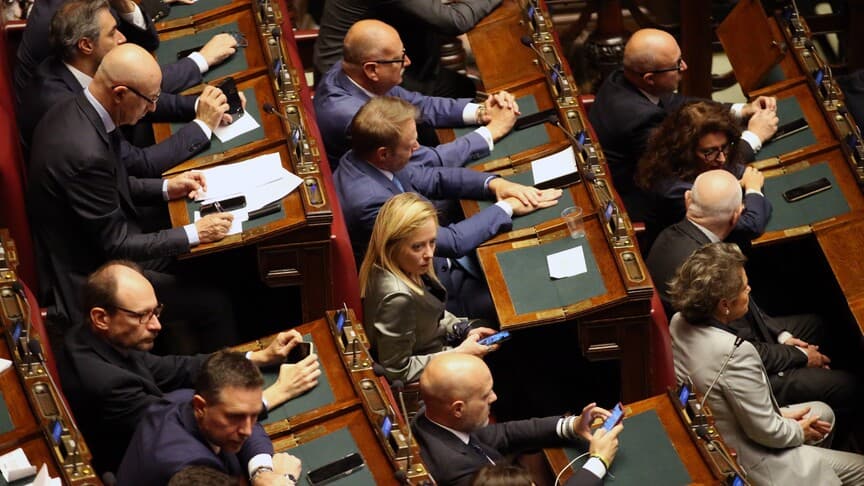
The Italian Chamber of Deputies passed a controversial law on combating antisemitism, completing its parliamentary approval. According to the Italian news agency ANSA, 147 deputies voted in favor of the document; it was supported by the ruling centre-right coalition and the Italia Viva party, Anadolu reports.
What the law changes
The law formally enshrines the definition of antisemitism adopted by the International Holocaust Remembrance Alliance (IHRA), including examples concerning criticism of Israel. At the same time, it does not introduce any new criminal offenses. The practical innovations are the establishment of a national coordinator for combating antisemitism, a three-year strategy, and a database for recording antisemitic incidents and hate crimes. The opposition proposed replacing the IHRA definition with the Jerusalem Declaration on Antisemitism, which does not explicitly mention Israel, but its amendments were rejected.
Debates over Gaza and fascism
The vote was accompanied by heated clashes in the chamber. Brothers of Italy deputy Mauro Malaguti referred to the rising birth rate in Gaza, disputing claims of genocide. Liberal Democratic Party leader Luigi Marattin also rejected such a characterization, stating: 'To say that there was a genocide in Gaza makes you liars, not antisemites.' Green and Left Alliance leader Nicola Fratoianni called Malaguti's words 'a dark page' in parliamentary history and demanded that he be ashamed of himself.
The Gentile scandal
Another altercation erupted after deputy Rossano Sasso praised Giovanni Gentile, a minister of the fascist era. Democratic Party deputy Gianni Cupello called these words a disgrace to parliament, shouting: 'Shut up, fascists.' According to Anadolu, the discussion exposed a split within the opposition itself: some of its factions supported the final text, while others unsuccessfully pushed for replacing the IHRA definition.