The key facts
- In a Shenzhen park, robots prepare ice cream and coffee, attracting visitors
- Staff still restock supplies and throw away used coffee
- The robots are trained on camera footage and sensor glove recordings from workers
Robots behind the counter in China's tech capital
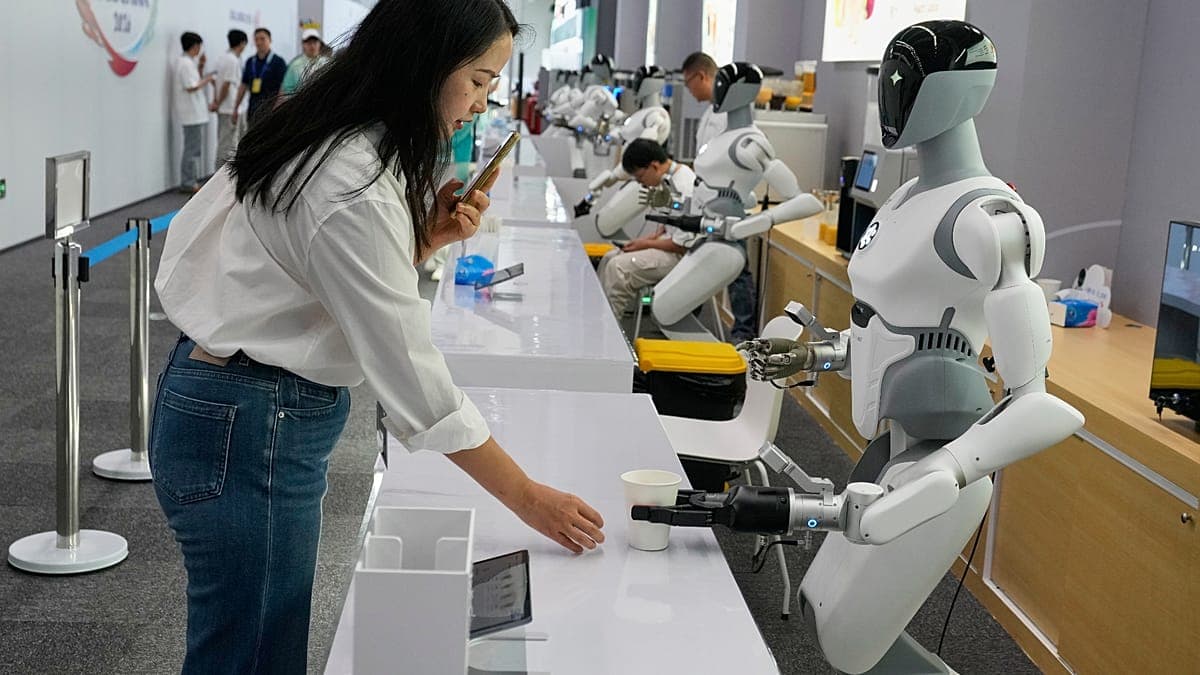
In Shenzhen, China, humanoid robots have begun serving visitors at a park: at a snack kiosk, one machine prepares ice cream while another brews coffee. Curious guests film the robots at work. Both devices are controlled by artificial intelligence, but they cannot yet be called fully autonomous: staff still have to restock supplies and throw away the used coffee.
How robots are taught everyday tasks
Developers are working on introducing AI into everyday tasks. Chinese companies collect data from workers who wear cameras and gloves with sensors: these recordings help machines learn to handle parcels and stock shelves, as well as adapt to different working conditions.
Shenzhen's limitations and advantages
Such robots still struggle with complex household tasks, but they are increasingly taking on monotonous, repetitive operations. Shenzhen's manufacturing network allows developers to quickly test technologies and refine them — one of the reasons why such pilot projects appear in this city in particular.