The key facts
- Future of Egypt promised to pay miners on the spot and issue receipts confirming the legality of the money
- The army has detained 151 Egyptians and 540 foreigners since June; two officers were killed
- The Banu Hilal tribe did not recognize the outcome of the Cairo meeting and demands state oversight and public auctions
From coercion to licenses
Egypt is changing its approach to illegal gold mining in the south of the country: instead of a military campaign, the authorities are moving to a licensing system to be run by the Future of Egypt organization, which is linked to the presidential administration. MP and TV host Mustafa Bakri, who has become the public face of the initiative, said in an evening broadcast that the organization has committed to paying on the spot to anyone who surrenders gold, and sellers will receive a receipt confirming the legality of the origin of the money. According to him, after meetings in Aswan and Marsa Alam, three offices will open in mining areas to accept license applications and complaints, and Future of Egypt is the only body authorized to run this direction by presidential order.
Origins of the plan and the fate of detainees
The plan grew out of a meeting in Cairo on November 12, convened by businessman Ibrahim al-Arjani, head of the Union of Egyptian Tribes and Families, who holds no government position. Aswan MP Mona Shaker said after the meeting that a company would be created under the auspices of Future of Egypt to license artisanal miners, and people convicted of illegal mining would be released — except those involved in killings and drugs.
Context of the military campaign
The shift in course follows a military campaign against illegal mining and smuggling in the Eastern Desert. The army reports 151 detained Egyptians and 540 foreigners since June; two officers were killed, including a senior border guard officer. The Sudanese rights group Emergency Lawyers accused the Egyptian air force of strikes last month that killed dozens of Sudanese gold miners near the border. The Egyptian military maintains that it did not attack civilians and that the strikes were carried out inside Egypt, but has not publicly responded to the claim about the October 10 attack.
Undisclosed terms and tribal discontent
The key terms of the new agreement have not been published: neither Future of Egypt nor the tribes' union has named the price at which gold will be bought, the owner of the new company, or the procedure for distributing revenues. Some tribes opposed the framework: Banu Hilal, one of the largest tribes of Upper Egypt, said it does not recognize the outcome of the Cairo meeting because of its lack of official state status and because the tribe was not represented. It demanded that gold-bearing plots be offered through public auctions and that the process be conducted 'only under state oversight, not under private individuals or structures.'
Stakes for the economy and Future of Egypt's expansion
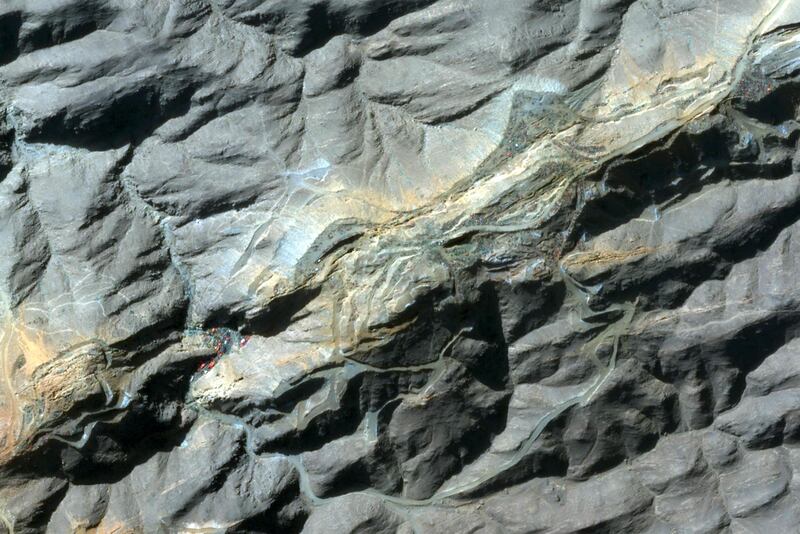
Gold has become a priority for a government facing a shortage of foreign currency: Cairo intends to raise production to 800,000 ounces per year by 2030 and increase mining's share of the economy to 6%. Currently, the main industrial production takes place at the Sukari mine near Marsa Alam, operating as a parity joint venture between a subsidiary of AngloGold Ashanti and Egypt's Mineral Resources Authority. Mining is concentrated in the Eastern Desert between the Red Sea coast and the Nile, up to the border with Sudan; the military names as targets the areas west of Marsa Alam, Gebel Ikat, Wadi Dabur and El-Baramiya.
The organization's growing role and questions about the law
The new agreement expands the influence of a rapidly growing structure: Future of Egypt emerged in 2017 as a military project to develop desert lands, and now manages one of the world's largest wheat import programs, controls major lakes and fish farms, holds the largest stake in Egypt's commodity exchange, and is entering housing, renewable energy, baby food and gold. A law ratified by President Abdel Fattah el-Sisi in July transferred the organization from the defense ministry to the presidency and allowed it to absorb state lands and companies, as well as run tax-exempt 'sustainable development zones,' issuing licenses and setting fees. Critics point out that the law concentrated planning, licensing, investment and oversight in a single body with few checks, which runs counter to IMF calls to reduce the state's economic role. The organization's head, Bahaa al-Ghanam, told parliament that the law is meant to turn Future of Egypt into a 'business incubator' opening the way for private investment.