The key facts
- Egypt declared the Libya-Turkey maritime delimitation memorandum 'null and void' and not binding on Cairo
- Cairo is considering turning to the UN International Court of Justice or the International Tribunal for the Law of the Sea
- The parliament of the eastern Libyan administration ratified the agreement on October 20; Greece, Cyprus, the UAE, Bahrain and the EU also oppose it
Cairo's position: the agreement is 'null and void'
Egyptian Foreign Ministry spokesman Nader Zaki stated that the disputed memorandum on the delimitation of maritime boundaries between Libya and Turkey has no legal basis and does not bind Egypt. According to him, 'the memorandum is null and void and has no legal force,' and the basis for any such arrangements should be the 1982 UN Convention on the Law of the Sea. He also emphasized that the participation of all interested states in the north and south of the Mediterranean is important in order to 'not sow the seeds of a problem that will be difficult to resolve in the future.'
Possible arbitration
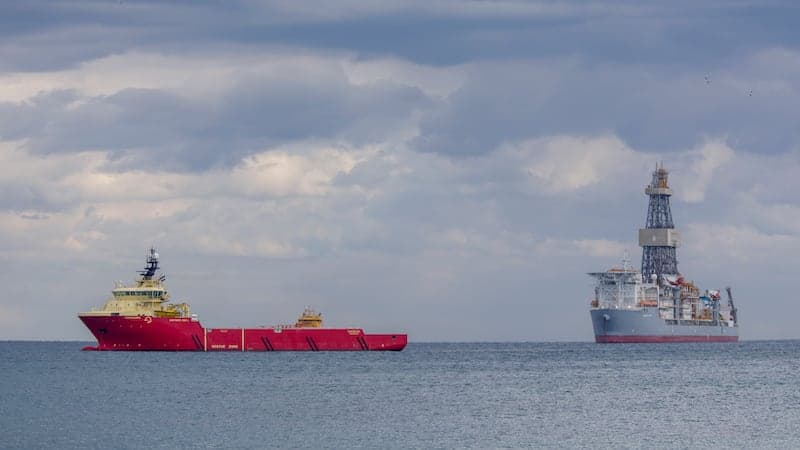
According to sources in Cairo, the government is considering the possibility of international arbitration on the legality of the agreement. Egypt is preparing a case for the UN International Court of Justice in The Hague or the International Tribunal for the Law of the Sea in Hamburg with the aim of annulling the deal. Cairo's argument: Turkey's geographical position in the Eastern Mediterranean does not give it the right to conclude a delimitation agreement with Libya, which faces the Mediterranean toward Italy and Greece, but not toward Turkey. Egyptian experts are gathering documents and maps to support the thesis that the agreement infringes on Egypt's economic zone. At the same time, as one source noted, there is no final decision yet on turning to arbitration, although there is a consensus that this may be the best path; a formal announcement could take several weeks.
Context of ratification and allies' reaction
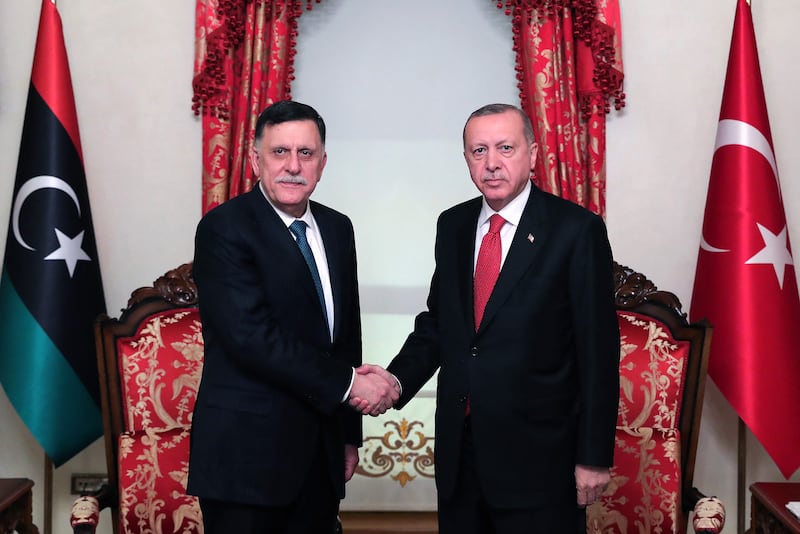
The agreement was originally concluded in 2019 between Turkey and the Tripoli-based Government of National Unity — the rival of the eastern administration — when Libya was engulfed in civil war. The eastern administration, led by military commander Khalifa Haftar, had opposed the agreement for years, but on October 20 the parliament of this administration, allied with Egypt, ratified it. The deal is also opposed by Cairo's allies Greece and Cyprus, as well as the UAE, Bahrain and the European Union, which last month warned that Libya's approval of the disputed agreement threatens stability in the Mediterranean. The foreign ministers of Egypt and Greece, Badr Abdelatty and Giorgos Gerapetritis, have spoken by phone or met at least three times since October 20; on October 22, the Egyptian Foreign Ministry said the ministers emphasized their 'firm rejection' of the ratification of the 2019 memorandum by the Lebanese chamber of deputies — more precisely, the Libyan House of Representatives. It is separately noted that in recent months Turkey has strengthened ties with Haftar and his allies, while maintaining close relations with the government in Tripoli, which allows Ankara to work with both sides of Libya's divided leadership.