The key facts
- For the first time since 1994, the Democratic Senate leadership election will be contested: Van Hollen against Schumer, with the vote on December 1
- Jeffries aims to become the first Black Speaker of the House of Representatives
- Democrats will hold 56 Senate seats and a substantial House majority, but their leverage is limited by Trump's veto power and the 60-vote rule
A victory that sharpened an internal dispute
The US Democratic Party is preparing to take control of both chambers of Congress after winning the midterm elections on November 3. From January, the party will hold a 56-seat majority in the Senate counting independent senators who caucus with it, as well as a substantial margin in the House of Representatives. This will give it the right to form committees, set the agenda and conduct congressional investigations during the final two years of Donald Trump's presidency. However, immediately after the victory the party was swept by an internal dispute: whether to keep the leaders credited with the electoral success, or to put forward figures more inclined toward a tougher confrontation with the White House.
Senate: the first contested leadership election since 1994
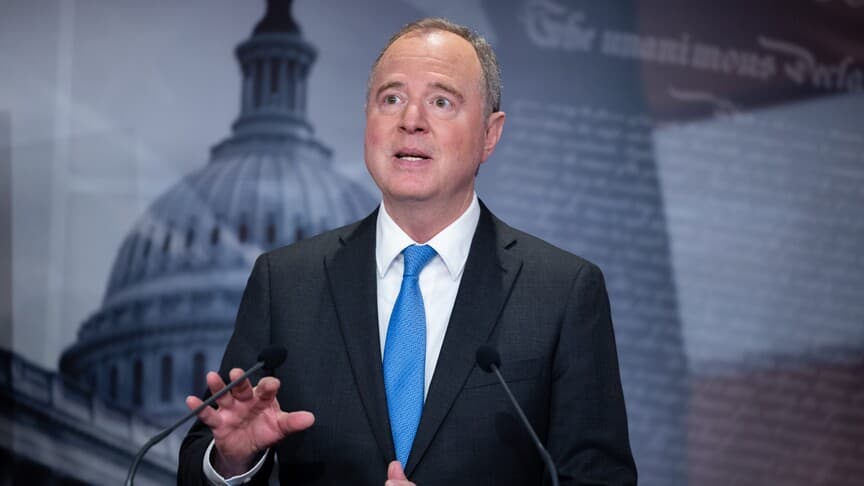
The main contest unfolded in the Senate, where Maryland Senator Chris Van Hollen announced on November 12 a challenge to the incumbent leader Chuck Schumer, who expects to become majority leader. This is the first contested election for the Democratic Senate leadership since 1994. 'Now we bear the duty of answering this moment, and for that we need new leadership,' Van Hollen said. He was backed by independent Senator Bernie Sanders, Jeff Merkley of Oregon, and newly elected senators Abdul El-Sayed and Peggy Flanagan. Sanders argues that the election results show voters want a party more willing to challenge big donors and corporate interests.
The key dispute — the war with Iran
The central point of disagreement is the ongoing, in Anadolu's wording, US war with Iran. Van Hollen proposes using federal spending negotiations to force the Trump administration to end the conflict, including by tying restrictions on military funding to the bills needed to keep the government running after December 11. Such a strategy risks a collision with the White House and Republicans up to a government shutdown, and some Democrats doubt its effectiveness. Van Hollen has also criticized Schumer's involvement in intraparty primaries and his approach to US policy toward Israel.
Schumer bets on experience
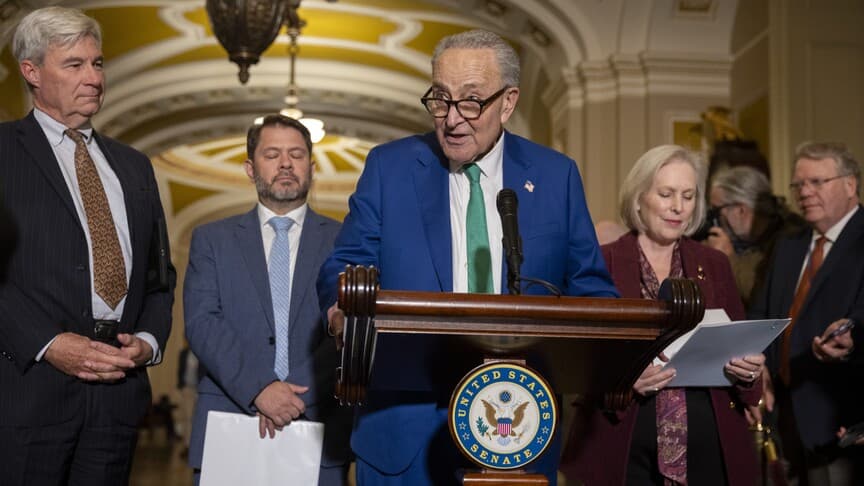
Schumer, who is 75 and has led Senate Democrats since 2017, argues that his experience and ability to keep the caucus united will be critically important under divided government. 'I have the votes to continue serving as Democratic leader,' he said after his rival's announcement. He was backed by independent Senator Angus King, as well as Nevada Democrats Catherine Cortez Masto and Jacky Rosen. According to US media, at least 14 members of the caucus have publicly backed Schumer against four for Van Hollen; both campaigns differ in their assessments of support among the undecided. The caucus will elect its leader by secret ballot on December 1.
House of Representatives: Jeffries under pressure
In the House of Representatives, Democratic leader Hakeem Jeffries, who succeeded Nancy Pelosi in 2023, aims to become the first Black Speaker in history. He has no rivals, but activists and newly elected members are demanding commitments on universal health care, immigration and limiting US military aid to Israel; Representative-elect Don Leonard of Ohio has publicly questioned his leadership. Some moderate newcomers from competitive districts insist on greater attention to local economic issues. At the same time, Jeffries is supported by the party's elders and prominent progressives, including Alexandria Ocasio-Cortez, Pramila Jayapal and Greg Casar. In a November 4 letter, he outlined three priorities: affordability, accountability and American values — from health care spending and housing to tariffs and investigations of the Trump administration. According to Axios, he intends to request a secret, recorded vote on his candidacy rather than election by acclamation. Internal House elections will take place on Wednesday and Thursday: Katherine Clark is running for majority leader, Pete Aguilar for whip, and Sara Jacobs and Lauren Underwood are competing for caucus vice chair.
What these elections will determine
Unlike the Senate caucus leader, who is elected within the party, the Speaker needs a vote of the full chamber when the 120th Congress opens on January 3, 2027 — typically 218 votes with full membership. The substantial majority gives Jeffries a cushion in case of defections, but the outcome will be a test of party unity. From January, Democrats will be able to chair committees, conduct investigations and influence appointments and judicial confirmations through the Senate, but their legislative leverage will remain limited by Trump's veto power and the rule that usually requires 60 votes to advance most bills. Supporters of Schumer and Jeffries see the election victory as vindication of their strategy; critics counter that voters demanded not only different policies but also a change in leadership. The dispute itself over how the party will use its new power is unlikely to end with these votes.