The key facts
- Burnham's government has released a 'factsheet and mythbuster' against reports of a new wave of EU rules
- Summit in Brussels on Friday: food exports, emissions trading schemes, the 'youth experience' programme
- Burnham has kept Keir Starmer's 'red lines': no single market, customs union or freedom of movement
Debunking ahead of the summit
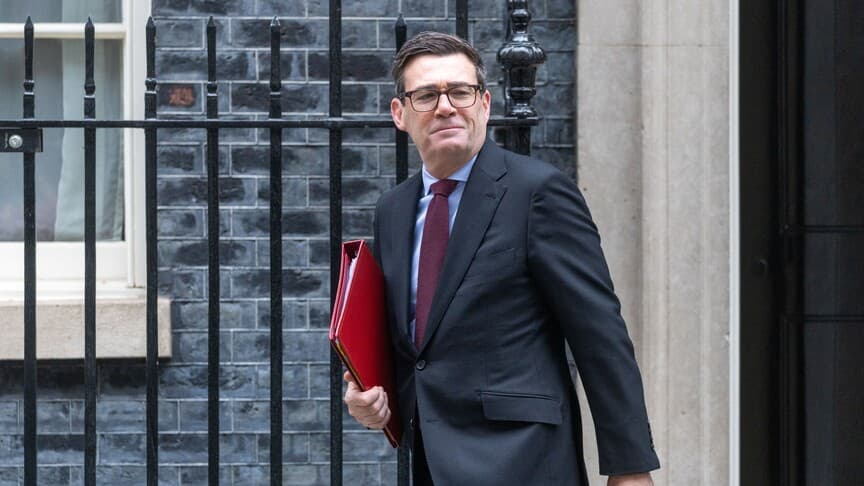
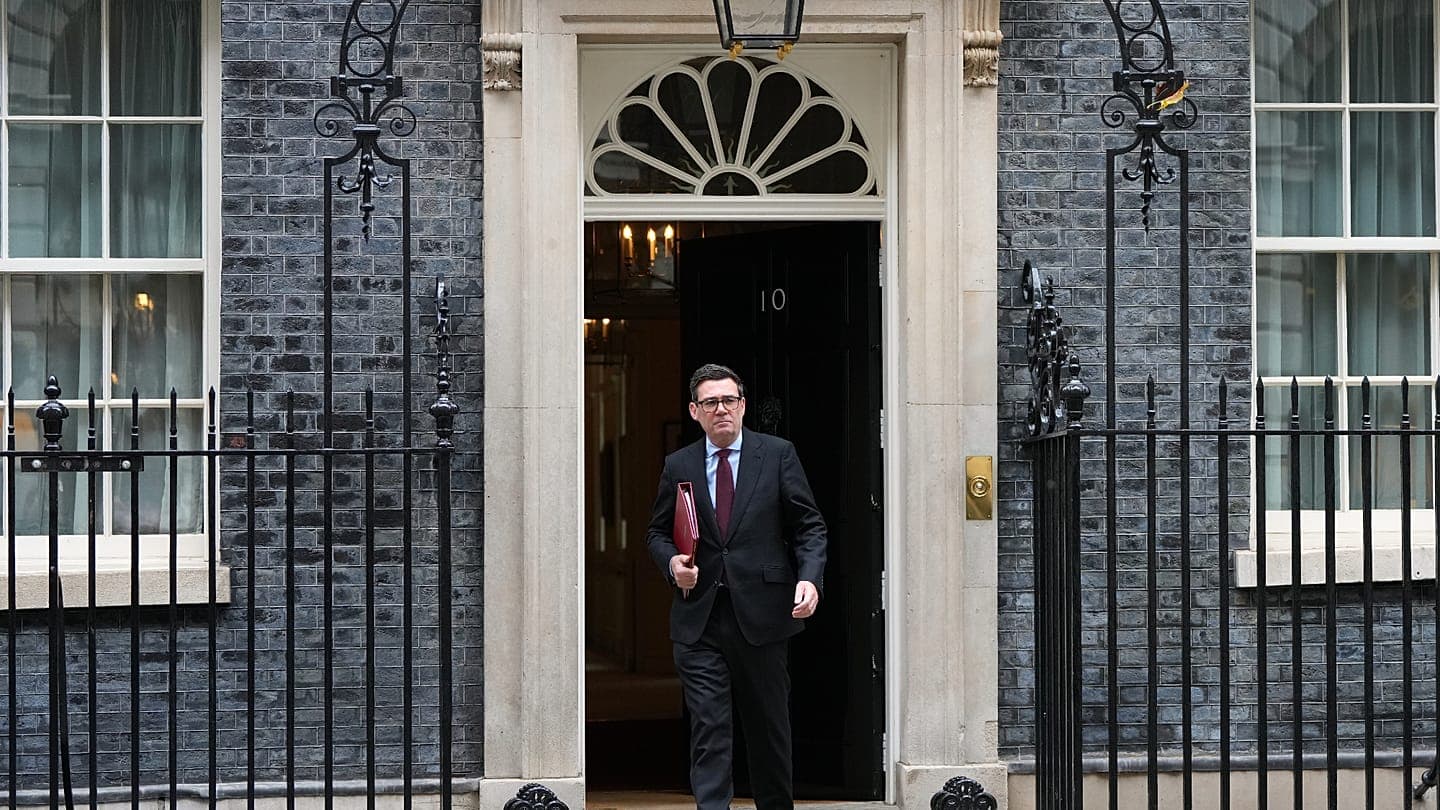
On the eve of the UK–EU summit in Brussels, the government of Prime Minister Andy Burnham has published a 'factsheet and mythbuster' document, intended to clarify 'several points' of the package being discussed with the European Union. According to Euronews, the authorities are rushing to rebut claims in parts of the British media that closer ties with Brussels will bring a new wave of European rules for British consumers.
What exactly the government is debunking
The statement says that 'smoky flavours in crisps, sauces and soups will remain on the shelves of British supermarkets,' and marmalade will not require relabelling, since most British brands already comply with European labelling rules. It also stresses that a ban on small sachets of ketchup and mayonnaise or on single-use plastic — straws, cutlery and cotton buds — is not part of the draft agreements on the negotiating table. The government called reports that the UK would have to pay millions of pounds into the EU budget 'largely speculative.'
Friday's agenda and economic expectations
Friday's summit in Brussels will focus on three agreements: reducing bureaucracy for food exports, linking the two sides' emissions trading schemes, and finalising the 'youth experience' programme. According to the government's estimate, the food deal alone could add around £5.1 billion (€6.12 billion) to the country's economy.
Political background
Despite Burnham's desire for closer ties with the EU, Brexit supporters fear he will soon push for returning to the union. To allay these concerns, the prime minister reaffirmed his commitment to his predecessor Keir Starmer's 'red lines' for the current parliamentary term: no return to the single market, the customs union or freedom of movement. Speaking this week, Burnham said that discussion of long-term relations with the EU after the next election — no later than 2029 — would begin only after Friday's summit. 'The deal on the table will bring growth to the British economy,' he said, adding that 'the Brexit deal they agreed was not good enough' and that his predecessors 'burned bridges with our biggest market, old friends and neighbours.'