The key facts
- About 950,000 displaced Palestinians live in flood-prone areas, 400,000 of them at extremely high risk
- 33,000 cases of acute respiratory infections have been recorded — more than in the same period last year
- Tedros reported ongoing attacks on medical facilities, including a strike on the Nasser complex last week
Flooded camps and rising illness
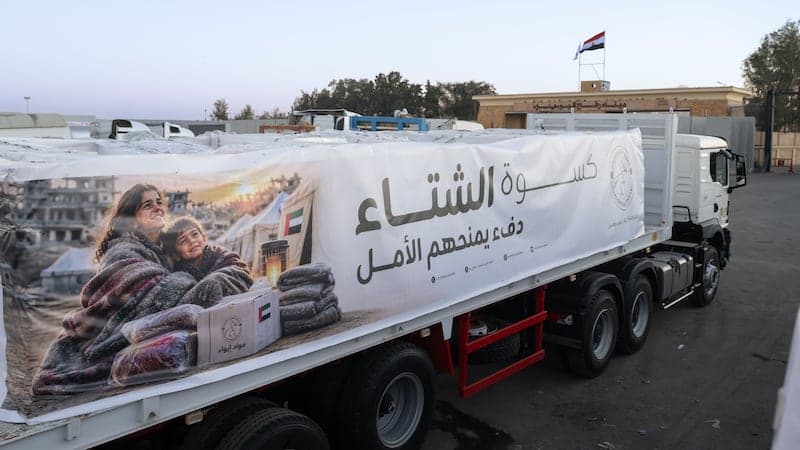
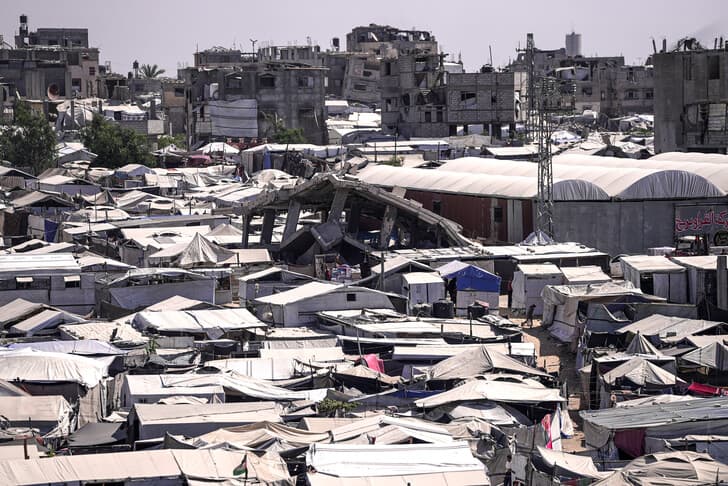
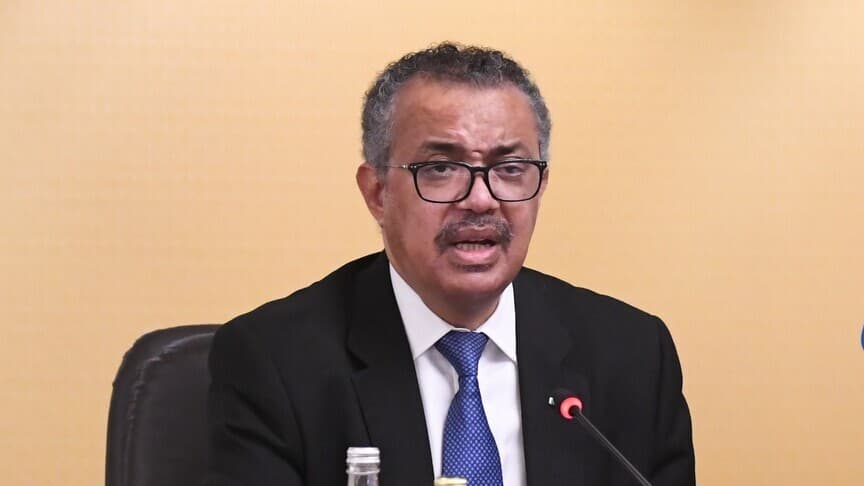
World Health Organization Director-General Tedros Adhanom Ghebreyesus, at a press conference in Geneva, called for the 'unimpeded and accelerated' entry of aid into Gaza, where the enclave is facing its fourth winter of war. According to him, just a few days of rain were enough to flood the camps of the displaced, destroy tents and leave families without adequate protection from the cold.
Scale of the risk
According to WHO estimates, about 950,000 displaced Palestinians live in areas prone to flooding, of whom 400,000 face an extremely high risk. Tedros said that a few days earlier an eight-month-old baby had died of hypothermia. 'No child should die of the cold. And winter has barely begun,' he said. There have been 33,000 recorded cases of acute respiratory infections, exceeding the level of the same period last year; the flooding, he said, also raises the risk of waterborne diseases.
What the WHO demands
The head of the organization demanded the large-scale entry of shelter materials, clean water and sanitation supplies, medicines, vaccines and equipment for hypothermia prevention. Separately, he pointed out that the entry of laboratory supplies had repeatedly been denied, even though they are needed to detect and respond to disease outbreaks. Tedros also noted ongoing attacks on medical facilities, including a strike on the Nasser medical complex last week: damaged facilities and disrupted transport further limit access to treatment.
Another topic of the press conference
At the same press conference, Tedros said that more than a billion children worldwide experience violence — at home, at school and online — and that survivors are more likely to suffer from heart disease, diabetes and depression in adulthood. His remarks came on the eve of the Second Global Ministerial Conference on Ending Violence Against Children, which opens on Wednesday in Manila. According to him, 73 governments will announce commitments, including banning corporal punishment in East Africa, improving services for survivors in Latin America and combating online bullying, with funding of more than 500 million dollars.