The key facts
- Vance considers US reindustrialization a more effective response to China than military confrontation
- He identified dependence on Chinese supply chains for food, medicine, and technology as a threat
- Vance acknowledged the risk of American semiconductors leaking to China via third countries
Industrial focus instead of escalation
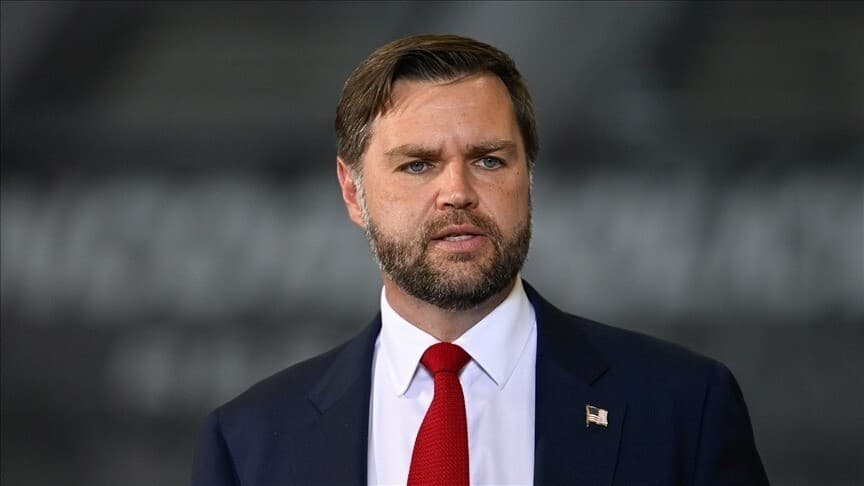
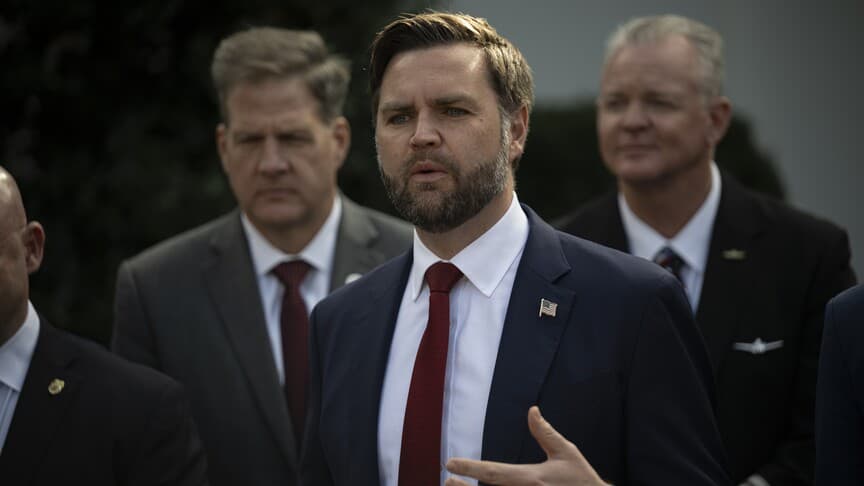
US Vice President JD Vance, in a Monday interview with Fox News, defended President Donald Trump's policy toward China, outlining its logic: according to him, the effective way to counter Beijing is not military confrontation but restoring the American industrial base and protecting critical technologies. 'The way to be tough on China is not to brandish weapons or start a war with that country, but to reindustrialize the United States of America,' he said (as reported by Anadolu).
Dependence on Chinese supply chains
Vance argued that decades of American economic and industrial policy have allowed China to gain significant influence over US supply chains—including food, medicine, and technology. 'When another country controls your food, your medicine, your technology industry—that is how it controls the United States,' the Vice President stated. He described Trump's strategy as a combination of diplomatic engagement with expanding domestic production and strengthening economic independence, and also defended Trump's personal relationship with Chinese President Xi Jinping, asserting that Xi respects the American president as 'a truly tough and smart person.'
Risk of circumventing export restrictions
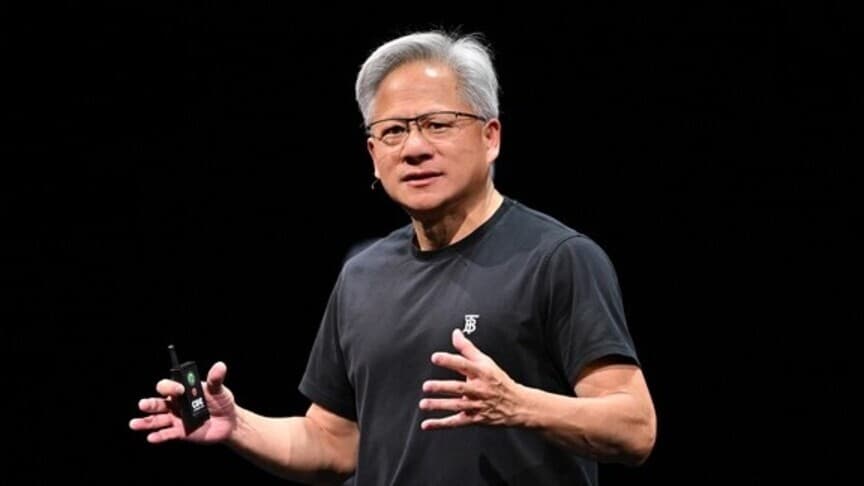
A separate topic of the interview was the potential leakage of advanced American semiconductors to China via third countries—in connection with Nvidia and its former CEO Jensen Huang. Responding to a question about businesswoman Alice Huang, whom some publications described as a possible agent of Chinese intelligence, Vance said that he and Trump do not know whether she was a spy, but that, in his view, is not the main issue: the priority is to reindustrialize the country and protect critical technologies and infrastructure. Regarding the risk of chip transfers through intermediaries, he stated: 'Of course, I am concerned about this. Our job is to worry about such things,' explaining that companies establish structures in third countries to bypass American export restrictions and conceal dealings with the PRC.