The key facts
- The maximum gas price for households will remain at 197.29 zlotys ($49) per MWh from January 1 to December 31, 2027
- Regulated tariffs for households and certain public institutions are proposed to be extended until the end of 2030
- The estimated cost of the measures is almost 6.2 billion zlotys ($1.55 billion); a levy of 10% of net gas sales revenue is expected to be imposed on importers
Price freeze for all of 2027
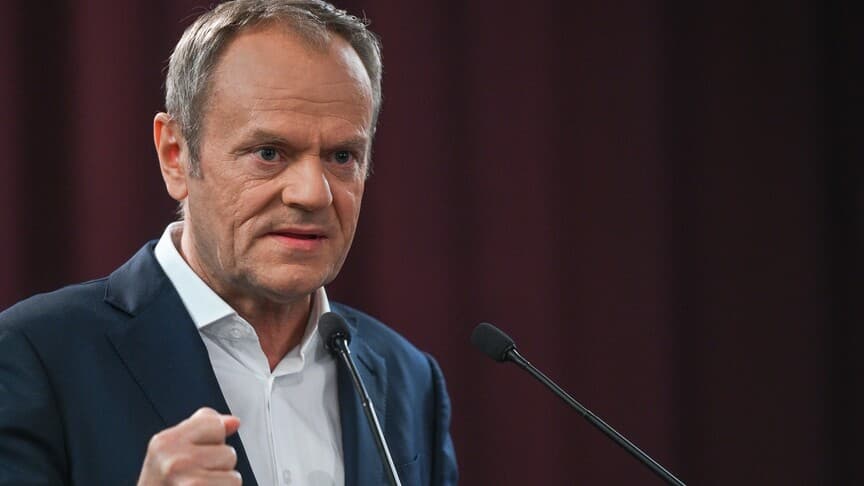
Poland will keep the maximum price of natural gas for household consumers at 197.29 zlotys ($49) per MWh throughout 2027. Prime Minister Donald Tusk announced the government's decision on Tuesday, ahead of a Cabinet meeting in Warsaw: “We have decided to freeze gas prices for individual consumers.” The bill, approved by the Cabinet the same day, sets the price cap from January 1 to December 31, 2027. The maximum price is unchanged from the 2026 regulated tariff and excludes VAT and excise tax.
Who the measure will affect
The price cap will cover not only households but also housing cooperatives and associations, as well as key public institutions — schools, hospitals and nursing homes. In addition, the bill proposes extending regulated gas tariffs for households and certain public service institutions until the end of 2030. According to Tusk, the decision was made against the backdrop of European gas prices rising to their highest level in more than a year — around 450 zlotys ($112) per MWh. The Prime Minister linked the price increase to the ongoing war and disruptions around the Strait of Hormuz, a key route for global energy supplies. The government explained that the price cap is intended to prevent the rapid pass-through of wholesale price increases to households and other vulnerable consumers.
Who will pay for the compensation
According to the government's regulatory impact assessment, the measures will cost almost 6.2 billion zlotys ($1.55 billion). Gas supply companies will be compensated for the difference between the regulated price and the cost of gas supplies. The payments are expected to be financed through a levy on certain companies importing natural gas into Poland: it will amount to 10% of a defined net revenue from gas sales on the domestic market.
Diversification has not protected against volatility
Since 2022, amid the Russia-Ukraine war, Poland has diversified its energy supplies: it expanded LNG imports and opened the Baltic Pipe pipeline for Norwegian gas deliveries. However, as the government acknowledged, diversification has not insulated Polish consumers from volatility in European and global energy markets — and it was precisely this that prompted the price freeze.