The key facts
- Vance: 'I haven't made a decision. We'll figure it out sometime next year'
- Vance's allies, according to them, expect him to run, but admit he may not make a final decision for several months
- Vance linked the midterm defeat to the war with Iran, denying disagreements with Trump
The vice president is in no hurry to decide on a run
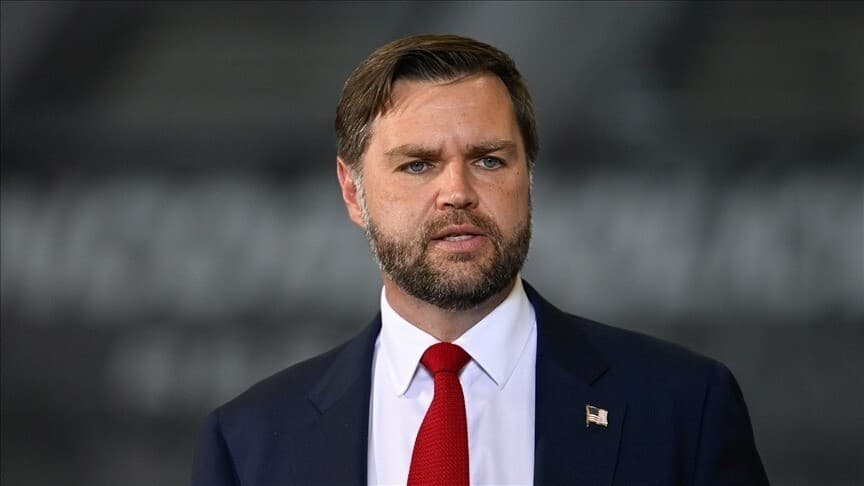
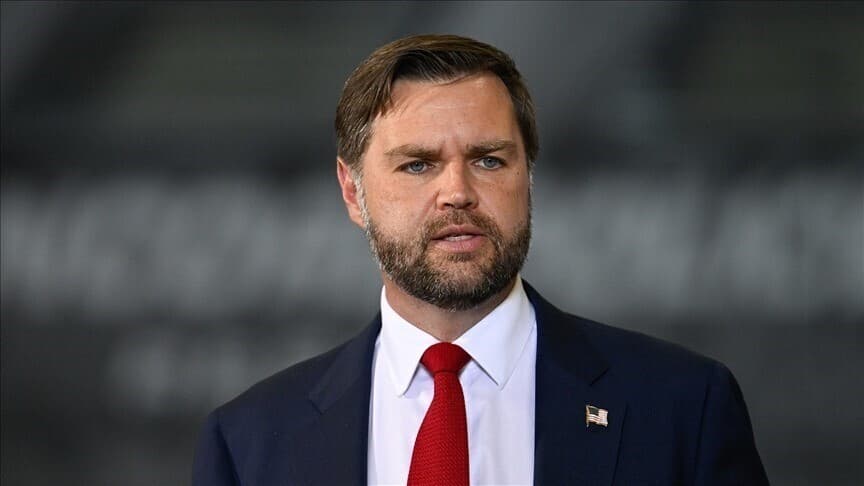
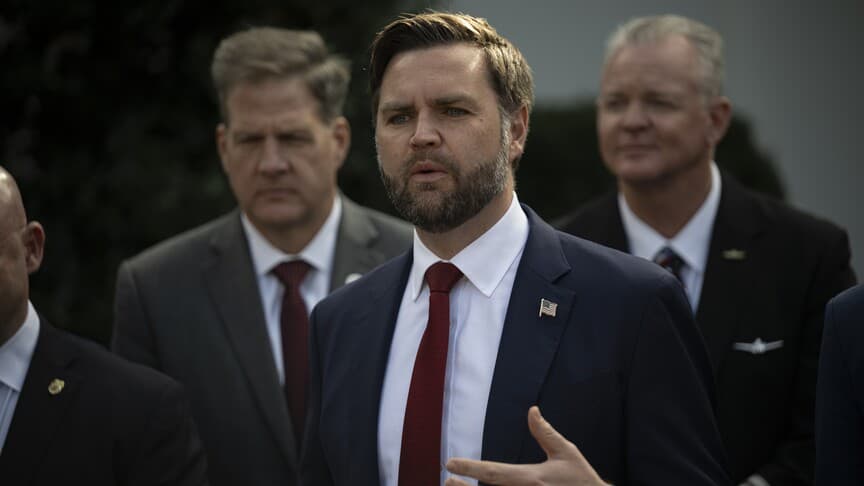
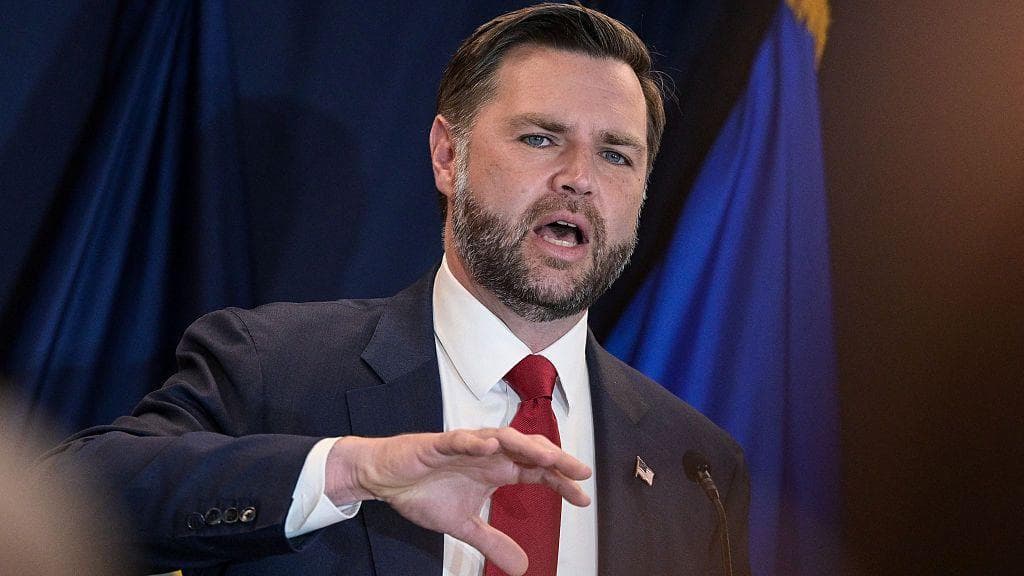
US Vice President JD Vance said he will decide on entering the 2028 presidential election 'at some point next year'. In an interview with Fox News host Laura Ingraham, he declined to name a specific timeline: 'I haven't made a decision. We'll figure it out sometime next year.' When pressed, he added: 'When I make a decision, I will fully commit to whatever that decision is.'
Context after the midterms
The comment came amid growing interest in Vance's plans after voters delivered a palpable defeat to President Donald Trump and the Republicans in the midterm elections. According to BBC sources close to Vance, the November elections did not change his decision-making timeline: his expected run is likely, but allies believe he may wait several months before a final decision. Speculation about Vance's White House ambitions began when Trump chose him as his running mate in 2024, making him the most likely heir to the MAGA movement. While in office, Vance has avoided talk of his own ambitions, and during the midterm campaign he told supporters urging him to run that Republicans needed to focus on the upcoming elections.
Intra-party competition and the war with Iran
If Vance decides to run, he would likely immediately lead the Republican primary field, but the contest is expected to be competitive: Secretary of State Marco Rubio, Texas Senator Ted Cruz, outgoing Florida Governor Ron DeSantis and former New Jersey Governor Chris Christie have all been mentioned as possible contenders. Trump has praised Vance and Rubio, but said he is not sure whom he will back in 2028 — or whether he will get involved at all. The midterms, in the BBC's assessment, revealed widespread disillusionment with the politicians of Trump's second term, complicating the path for candidates tied to his agenda. Vance blamed the election results on the war with Iran, laying out on social media a plan to win back voters: end the war and focus on the economy. The message was seen as a first step of distancing himself from Trump. In the interview, he repeated that the war had carried a 'political cost', but denied a rift with the president: there are 'no disagreements' over Iran between Trump and senior administration officials. According to him, Trump will not allow the conflict, started by the US and Israel in February 2026, to become an 'endless war' or even a 'two-year commitment'.
Other topics in the interview
Vance also addressed last week's air traffic disruption, which paralyzed flights across the country for several hours, calling on lawmakers to solve the problem in the final weeks of the current congressional session. He also commented on the scandal surrounding Nvidia and its former head Jensen Huang: according to him, there is no 'clarity' on whether the woman with whom Huang, as reported, had an affair was a Chinese spy. 'I don't know, and [Trump] doesn't know, whether that woman was a spy,' Vance said.
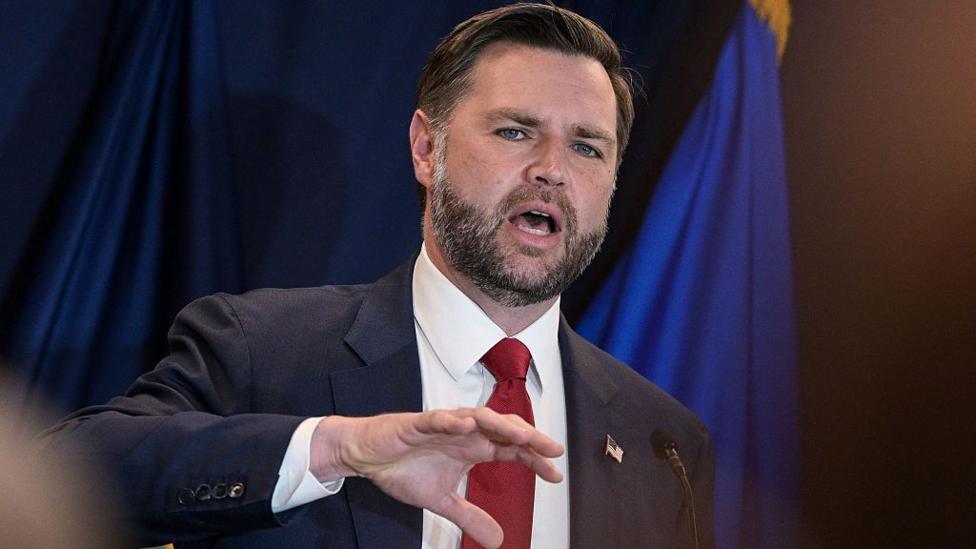 Image source, Getty Images