The key facts
- Genesis AI raised a $500 million Series A (Khosla Ventures, Premji Invest, Eclipse); its $105 million seed round was announced in July 2025
- The key method is collecting data on contact forces via tactile gloves worn by more than 100 real workers worldwide
- 30–40 Eno robots have been built; mass production in the US is planned for next year, but current hands last only a few weeks
A $500 million round and a bet on vertical integration
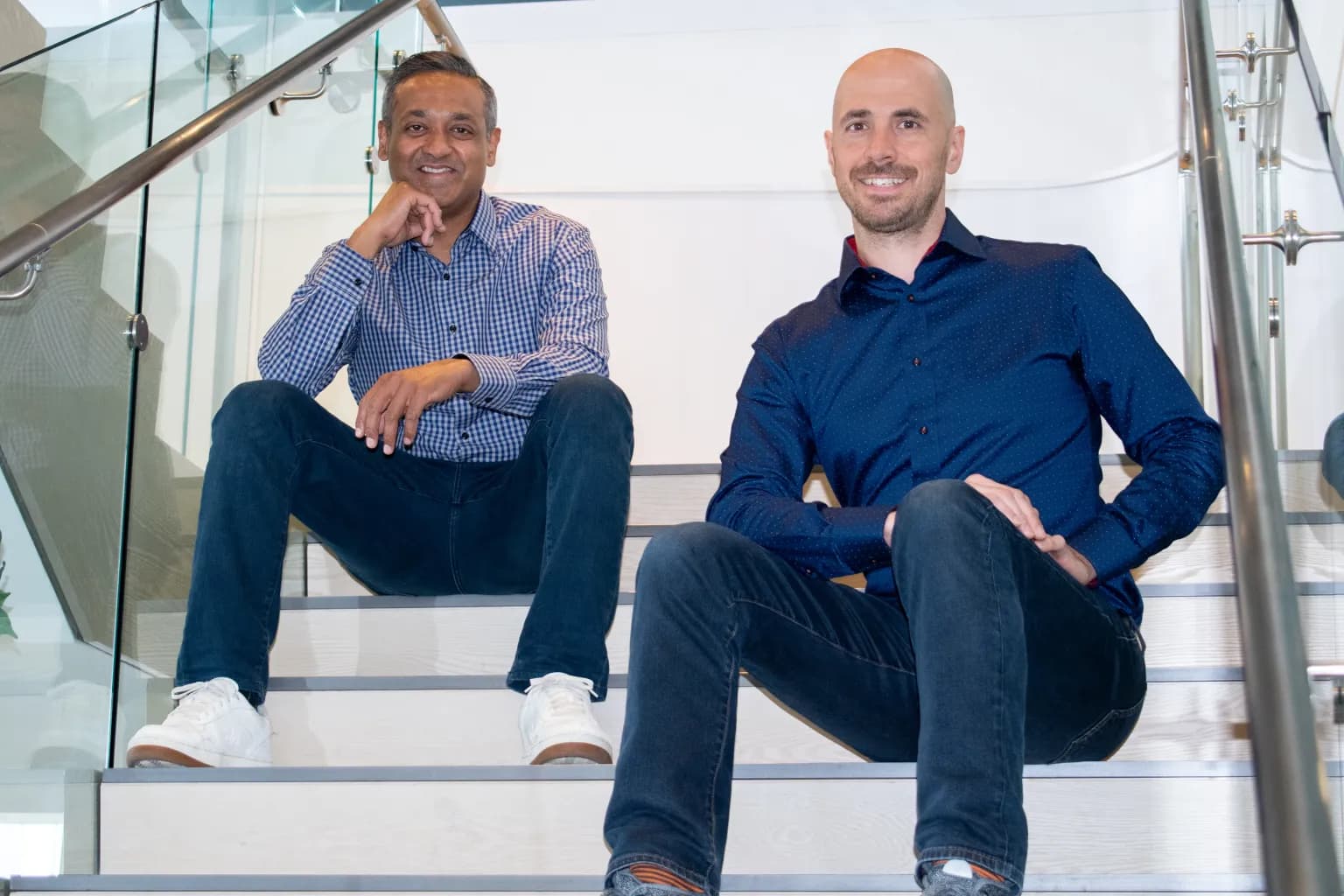
Genesis AI announced it has raised a $500 million Series A round led by Khosla Ventures, Premji Invest and Eclipse. The company was founded in 2024 by Zhou Xiang and Théophile Gervet, who met as graduate students in a Carnegie Mellon University lab; its $105 million seed round was announced in July 2025. The strategy is vertical integration: the company generates most of its own training data, develops its own generative model, and in parallel designs and builds a humanoid robot. 'We wanted to build the best robot, an end-to-end product,' Xiang said.
How Genesis differs from competitors
Unlike Figure or Agility, Genesis has focused on dexterity — the robot's ability to work with its hands. The company considers force data a key element: it is collected via tactile gloves and camera-equipped headsets worn by more than 100 real workers around the world, whose actions form the training dataset. The robots wear the same gloves, and their 'hands' are designed to the proportions of human hands — according to Xiang, this is precisely what enables capabilities in sorting and wire handling. The second major investment is simulation: the company's advisor Minchen Li is a co-author of an influential physics algorithm the startup uses to create millions of high-fidelity models of robot experience.
The demo showed both capabilities and limits
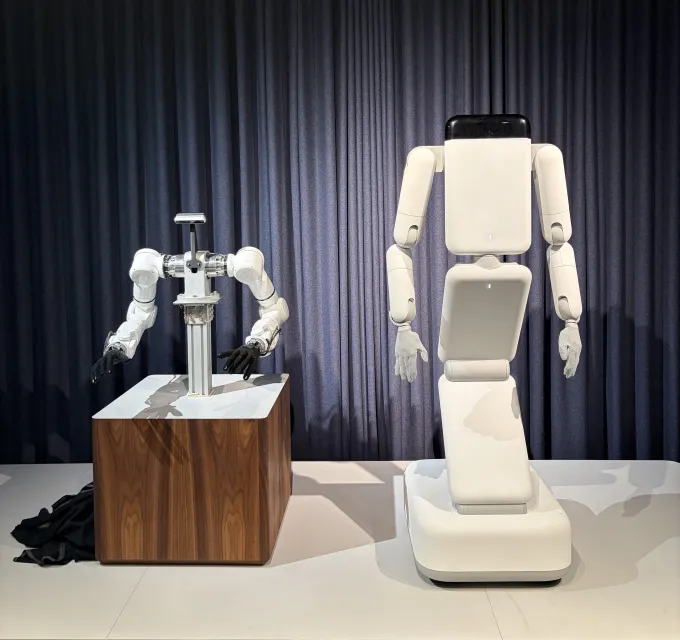
During a visit to Silicon Valley, a TechCrunch reporter watched the company's physical AI model control a pair of standard robotic arms: they picked up two small cardboard boxes, scanned them, placed them into a larger box, folded it, sealed it with tape and applied a label. On a second run, the robot dropped the box and struggled to peel off a small label — a Genesis employee called such failures 'hiccup data,' data for improving the model. The gap between a lab demonstration and reliable automation is exactly what the company — and the entire physical AI industry — needs to overcome to avoid a new 'robot winter,' the outlet notes.
The Eno robot and bottlenecks
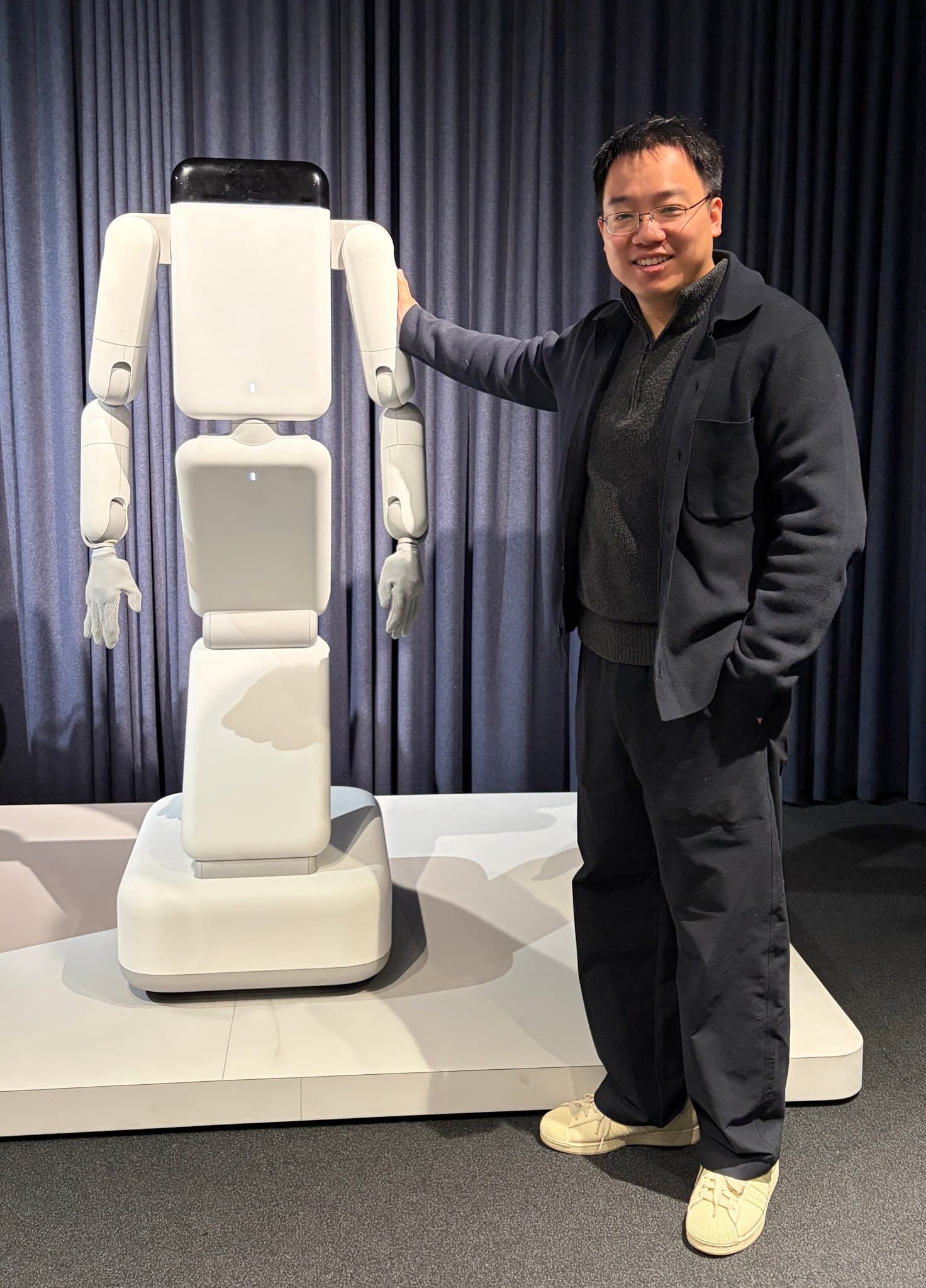
The flagship robot Eno, according to Xiang, is capable of more but was not ready to demonstrate its capabilities. Genesis has built 30–40 such machines, selected a contractor for mass production in the US starting next year, and approved the design of the production version; the company is not ready to disclose how many machines it plans for the year ahead. The robots are being piloted with several unnamed customers. Xiang names hardware capabilities as the main bottleneck — mechanical design and supply chains for industrial machines: the current dexterous hands last only a few weeks of regular operation before replacement. In his estimate, the model architecture accounts for 'maybe 10%' of the final result — training infrastructure and data quality are what matter. 'I don't think we need another fundamental scientific breakthrough. We have all the recipes. It's just about execution,' he said.