The key facts
- The Azadi EP was released on November 5 on the KNTXT label; the lead vocals on three tracks belong to the AI singer NAVA
- Proceeds go to the NGO FEMENA, which supports women activists in the SWANA region and Asia
- Some fans and the Iranian DJ AliPink criticized the project; others defend it as a way to avoid risking a real artist
EP with virtual vocals
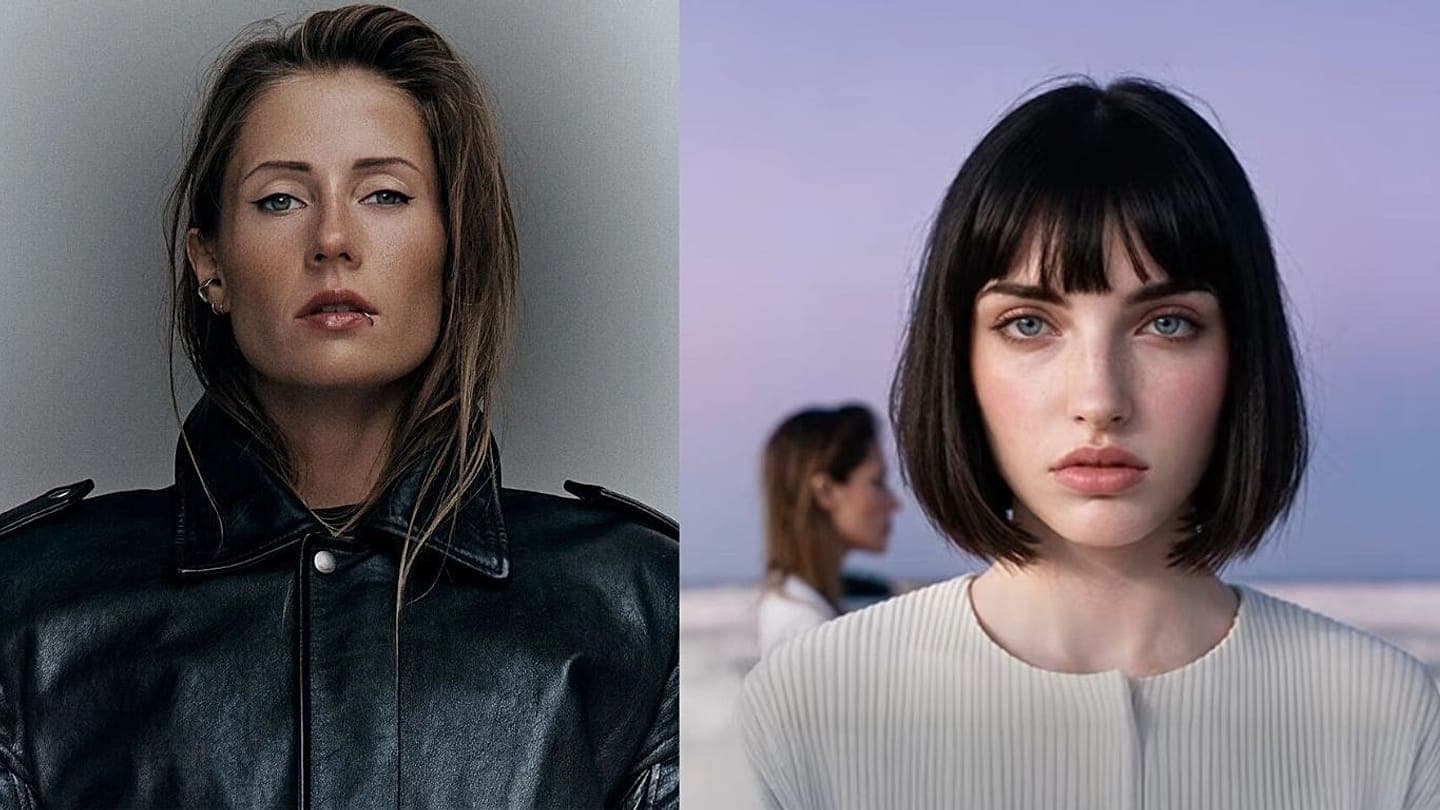
On November 5, the 34-year-old Belgian DJ and producer Charlotte de Witte, ranked the world's best techno DJ for the seventh year in a row in the DJ Mag Top 100 DJs 2026 poll, released the Azadi EP on her label KNTXT. The release includes three tracks — Azadi, Omid (meaning 'hope') and Tales of the Desert — with her signature acid techno sound and a tempo of 140 BPM, but with an unusual vocalist: for the first time, de Witte used an AI-based singer, NAVA, created in 2025 by the British digital artist of Iranian descent Farbod Mehr. NAVA's visual image is inspired by Persian art. The release is not fully AI-generated, however: only the lead vocal part is virtual.
The project's stated meaning
Azadi means 'freedom' in Persian — a word that became widely known during the 2022 protests in Iran. In an official statement, the artist explained that NAVA 'represents Iranian women who are forbidden to perform in public,' and that the tracks are conceived as 'a small act of resistance'; all proceeds from the EP go to the NGO FEMENA, which supports women's rights defenders and feminist movements in the SWANA region and Asia. The context is also set by the fate of Parastoo Ahmadi, whom a court in Qom sentenced in June to 74 lashes, a two-year travel ban and a two-year ban on artistic activity for publishing a recording of a concert without a headscarf.
Criticism: why not a living voice?
The fans' reaction proved mixed. In the Reddit community, many ask why the voice of a real person was not used: one user wrote that they 'completely stopped enjoying her music,' while another, acknowledging the good intentions, wondered why 'no flesh-and-blood Iranian artists' could be found for the recording. Some listeners fear that the normalization of AI voices will reduce opportunities for singers and backing vocalists. Criticism also came from the Iranian techno scene: the DJ and producer AliPink, a pioneer of the underground scene and founder of the label Techno Tehran Records, called the very idea of representing Iranian women with an artificial voice 'deeply questionable,' and emphasized the difference between drawing attention to their hardships and 'using their struggle as a concept to promote music created by AI.'
Defending the project and the broader debate
There are defenders of the initiative as well: under the post with the EP preview, one user wrote that, as a Persian woman and artist, the release 'touches her deeply,' while another expressed gratitude for the attention to the voices of Iranian women. One argument in favor of NAVA is the risk involved: a real Iranian artist who sang these songs would have been in danger. Euronews stresses that the debate is more complex than a simple division into supporters and opponents of AI: the project fits into a broader discussion about the place of generative technologies in music, where the industry so far operates through self-restrictions — Spotify requires explicit labeling of unauthorized voice cloning and prohibits it, Bandcamp bans music created 'entirely or substantially' by AI, and since 2026 Beatport has not accepted fully AI-generated tracks. The publication itself poses the remaining question: when AI gives a voice to those who cannot speak freely — is that giving them back their voice, or speaking for them.