The key facts
- Volker Türk called for negotiations on a legally binding treaty on autonomous weapons
- He demanded a ban on systems targeting people and on weapons that humans cannot fully control
- Türk spoke against the use of autonomous weapons in policing and warned about their spread among armed groups
Call for a treaty ahead of the review conference
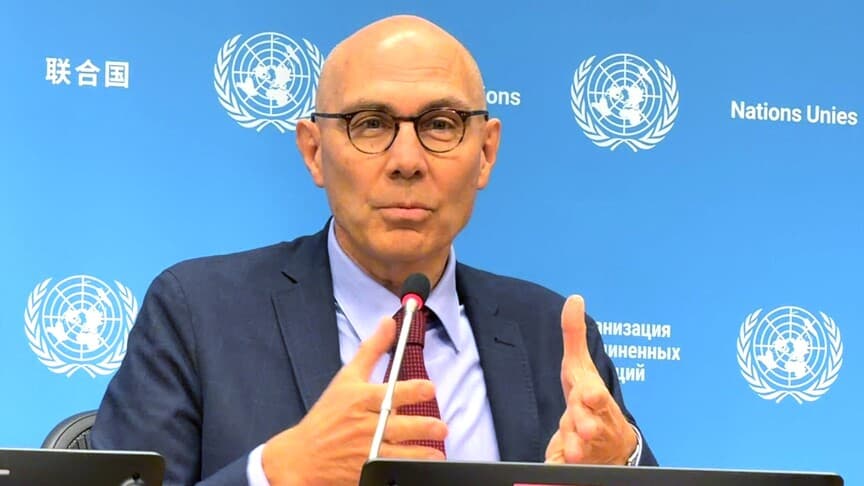
UN High Commissioner for Human Rights Volker Türk on Monday called on states to urgently begin negotiations on a legally binding treaty regulating autonomous weapons systems. According to him, the window of opportunity to create effective safeguards is closing fast. The statement came ahead of the 7th Review Conference of the Convention on Certain Conventional Weapons, at which Türk urged participants to begin work on a binding instrument with clear prohibitions and restrictions.
'A machine must not decide who survives'
'A machine must never have the right to decide whether a human being lives or dies,' Türk said in his address. He proposed banning autonomous weapons designed or used to target people, as well as systems whose functions and effects 'cannot be fully understood, predicted, explained or controlled by humans.' In the High Commissioner's view, such weapons can undermine the right to life, human dignity and accountability, allowing force to be used without sufficient human involvement in decision-making. 'Human judgement and responsibility must remain at the centre of decisions on the use of force,' he stressed.
Warning about policing and proliferation
Türk also spoke out against the use of lethal and non-lethal autonomous weapons in policing: according to him, machines are unable to assess whether the use of force is necessary and whether less dangerous alternatives exist. He warned that such systems could spread among armed groups and criminal organisations. 'The choice before states is obvious. They need to seize this moment to begin negotiations on a legally binding instrument with clear prohibitions and restrictions. The longer the international community waits, the harder it will become to establish effective safeguards — and it may be too late,' Türk concluded.