The key facts
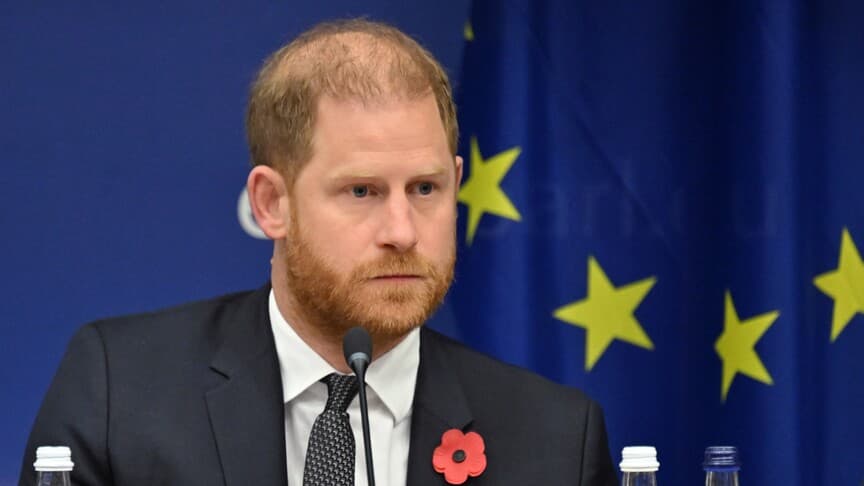
- Prince Harry made his fourth visit to Ukraine since the start of the full-scale invasion, visiting Lviv over the weekend
- Prince Harry made his fourth visit to Ukraine since the start of the full-scale invasion, travelling to Lviv over the weekend
- Ukraine has more than 150,000 wounded veterans; 400 wounded service members applied for the Invictus Games selection in Birmingham
- Ukraine has more than 150,000 wounded veterans; 400 wounded servicemen applied for the Invictus Games selection in Birmingham
- Ukraine plans to send the largest team in its history to the games — 60 participants
A secret visit to Lviv
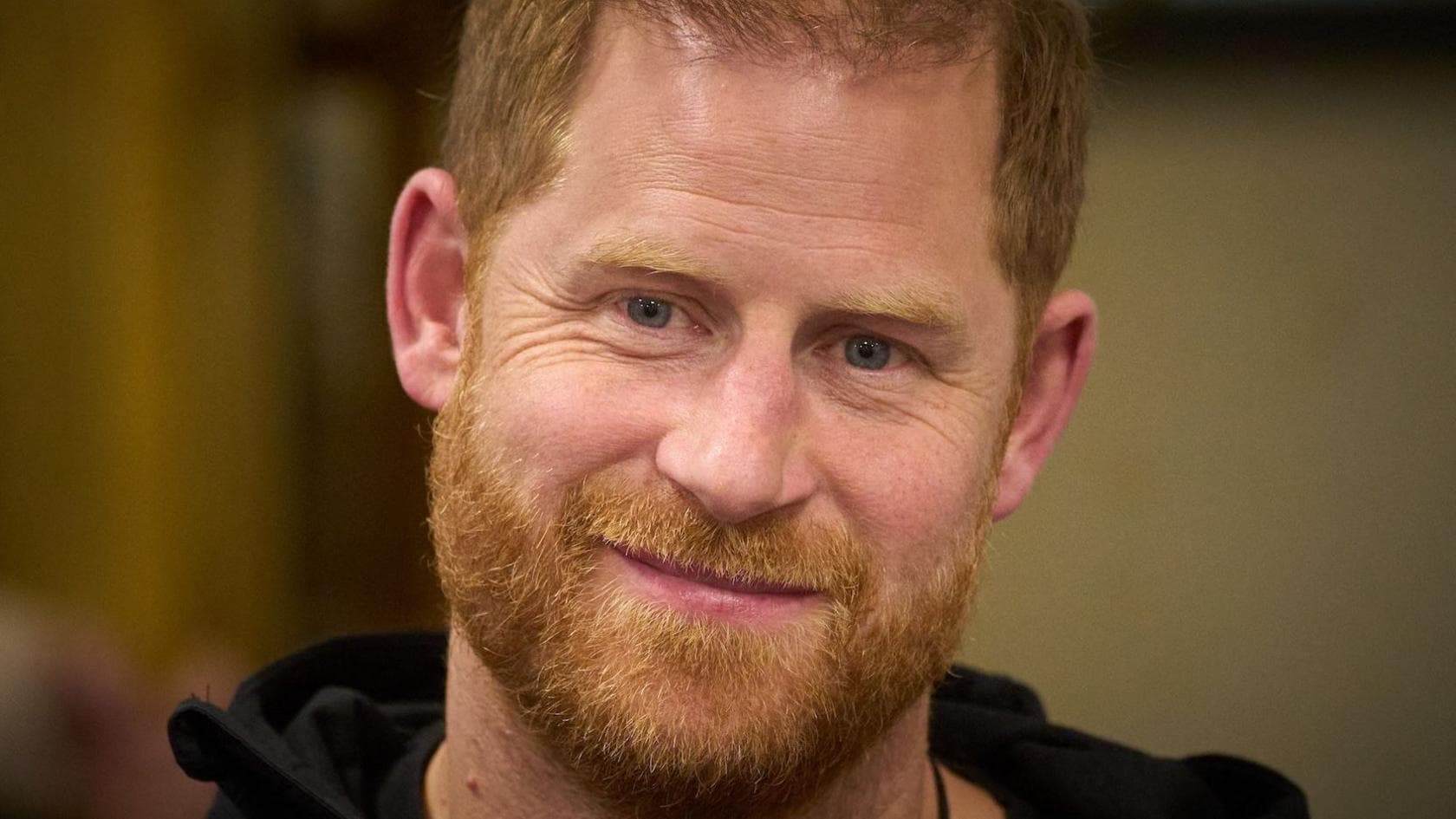
Prince Harry made an unexpected visit to Ukraine over the weekend, spending two days in Lviv at events for wounded veterans. The trip was not reported until he had left the country: an information blackout was in place for security reasons, as Ukraine continues to come under Russian missile strikes. This is his fourth visit to the country since the start of Russia's full-scale invasion in 2022 — as reported by BBC News, whose correspondent worked in Lviv, while euronews adds details of the trip's programme.
'You will win this war'
Addressing wounded service members, the Duke of Sussex said: 'You will win this war.' At a conference of military medics organised by the Lviv clinic Superhumans, which specialises in rehabilitating wounded soldiers, he added that after victory Ukraine 'will be set up for success'; among the audience was Health Minister Viktor Lyashko. Harry called the veterans 'an example to follow' and urged that Western support for Kyiv's army be extended to veterans as well: 'We invested in them before they put on the uniform; we must invest in them when the uniform comes off.' He also promised that 'when the war is over and Ukraine wins,' the organisation is ready to support holding the Invictus Games in Ukraine.
Faces of the visit: stories of the wounded
At the Superhumans centre, the prince met Mykhailo Damaskin, a veteran of the airborne assault forces who was severely wounded in the battles for Kherson and, according to the BBC, was initially considered beyond hope of walking. As part of experimental treatment, he was implanted with a spinal cord stimulator that must be recharged every 12 hours; he cannot feel his legs and controls his steps with his eyes. 'My goal is to make it to the Invictus Games. I promised my father, before he was killed, that I would be on the team representing Ukraine,' Damaskin said. Harry also sat at the bedside of Kostiantyn Vlasenko, who was evacuated from the front line by drone in a rescue operation described as the first of its kind: he spent more than 200 days at his position, having lost both feet.
Sport as rehabilitation
In a school gymnasium, the prince watched a wheelchair rugby match in which places on Ukraine's team for the next Invictus Games were being decided — a competition for veterans and serving military personnel founded by Harry in 2014, when he was still serving in the British Army. Among the participants was Valerii Odainyk, 41, an amputee who competed at the games in Canada in 2025 and, by his own account, remains an active service member. 'So when do you find time to train?' Harry asked him. Also taking part in the selection was Illia Pylypenko, 33, from Odesa, who suffered severe burns and lost a lung when his tank hit a mine: adaptive sport, he said, 'gave me a new incentive.' According to euronews, Ukraine plans to send the largest team in its history to the games in Birmingham — 60 participants — while the BBC reports 400 wounded service members taking part in the selection trials.
The scale of the problem
The visit took place against the backdrop of Russia's strikes on Ukraine 'on the eve of winter,' euronews notes. According to the outlet, the war has claimed the lives of hundreds of thousands of people, millions have become displaced, and the country has about 1.4 million combat veterans, more than 10% of whom have a disability. The BBC gives a different figure for the wounded: more than 150,000 war veterans. Harry noted that Ukraine 'is now experiencing elements of warfare that no other country has experienced' — with advances in technology both in drones and in protecting cities and treating injuries; according to him, whereas international experts used to come to help Ukraine, now 'everything has flipped,' and it is Ukraine that has the greatest experience in dealing with trauma. 'Every time I return to Ukraine, I feel the hospitality, the warmth, the support,' the prince said, while Invictus Games Foundation chief executive Rob Owen stressed: 'Recovery cannot wait for the end of the war.'
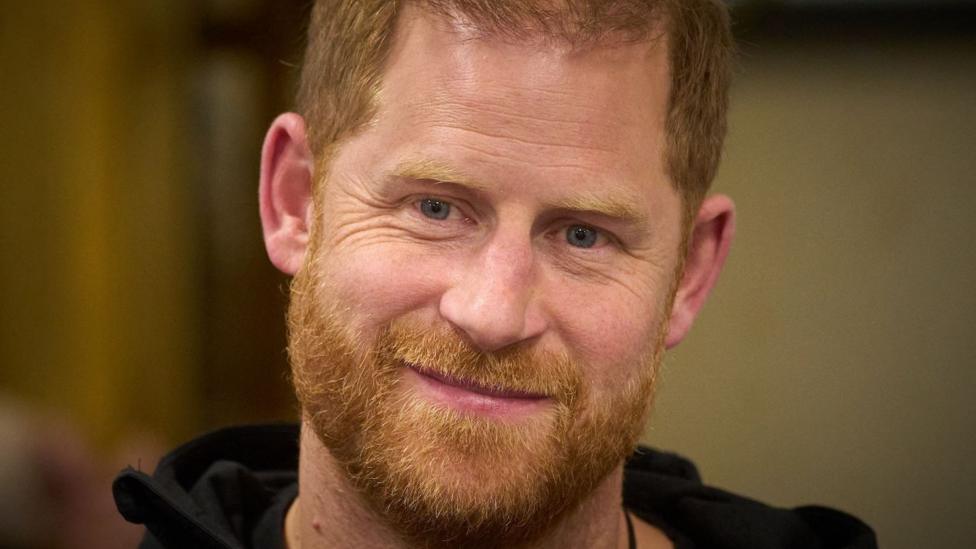 Image source, Press Association
Prince Harry made an emotional visit to meet injured war veterans inside Ukraine
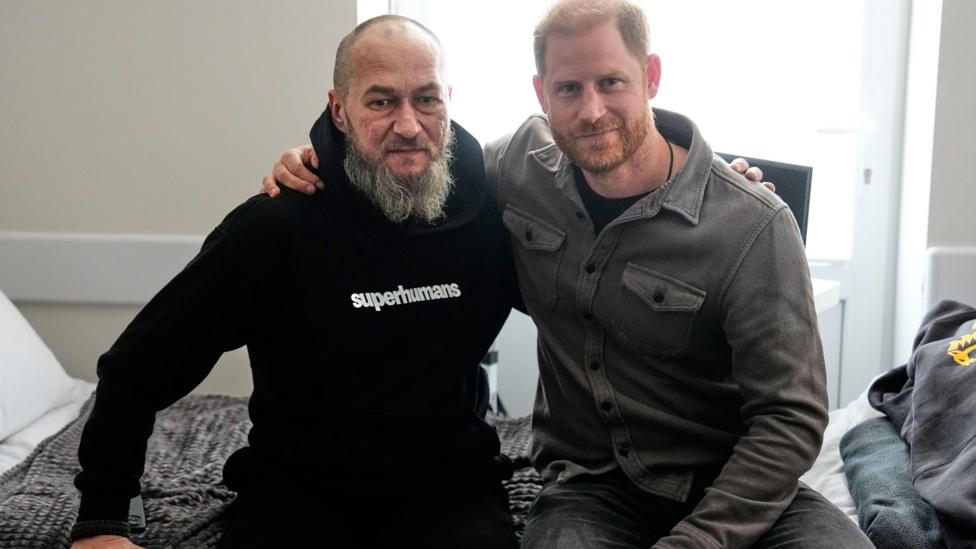 Image source, Press Association
Prince Harry met Kostiantyn Vlasenko, who was airlifted by a drone from the front
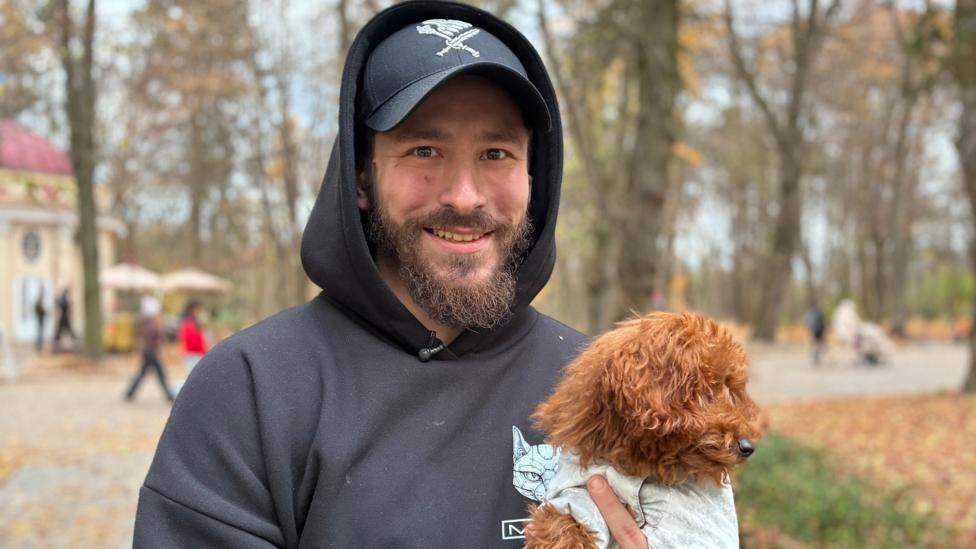
Mykhailo Damaskin, pictured with his dog Stitch, has received experimental treatment to walk
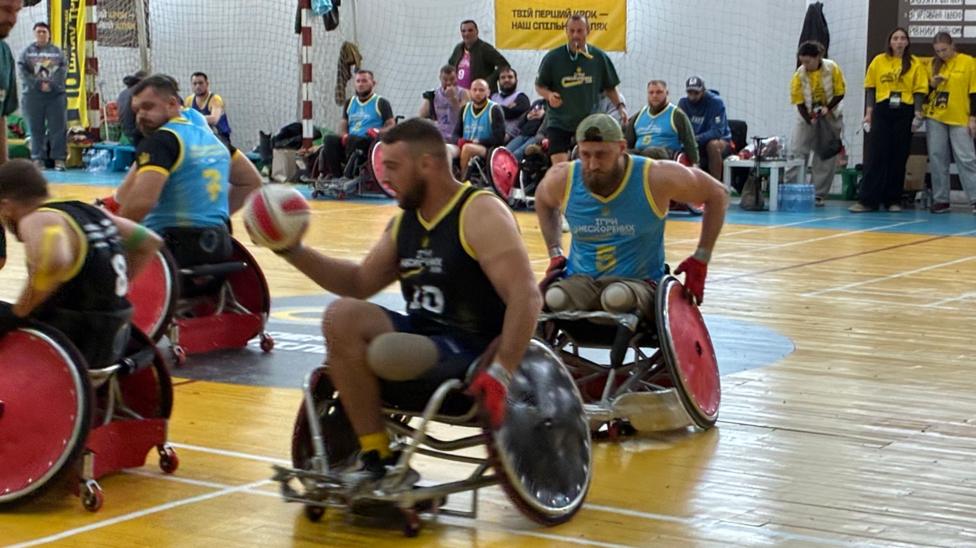
Injured veterans took part in a game of wheelchair rugby
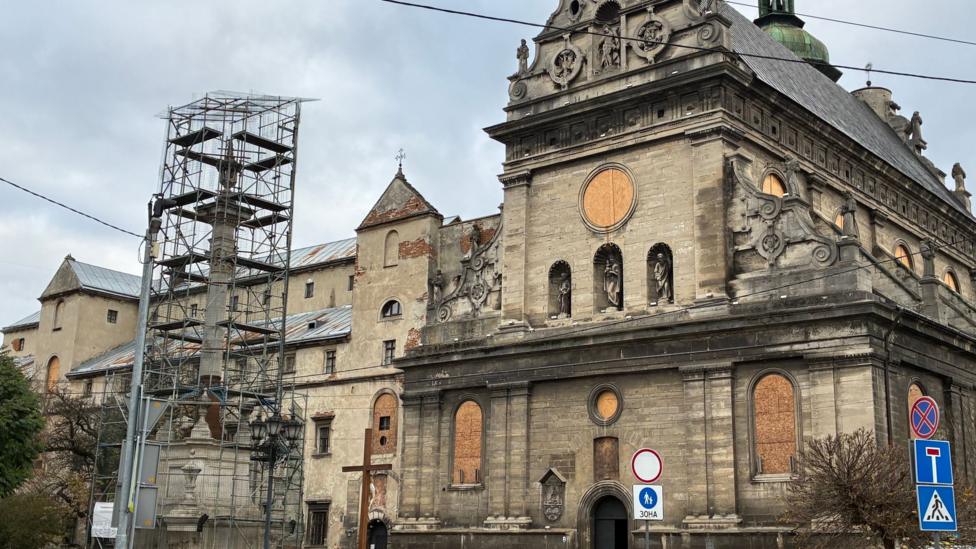
Blast damage from missiles on an historic building in Lviv
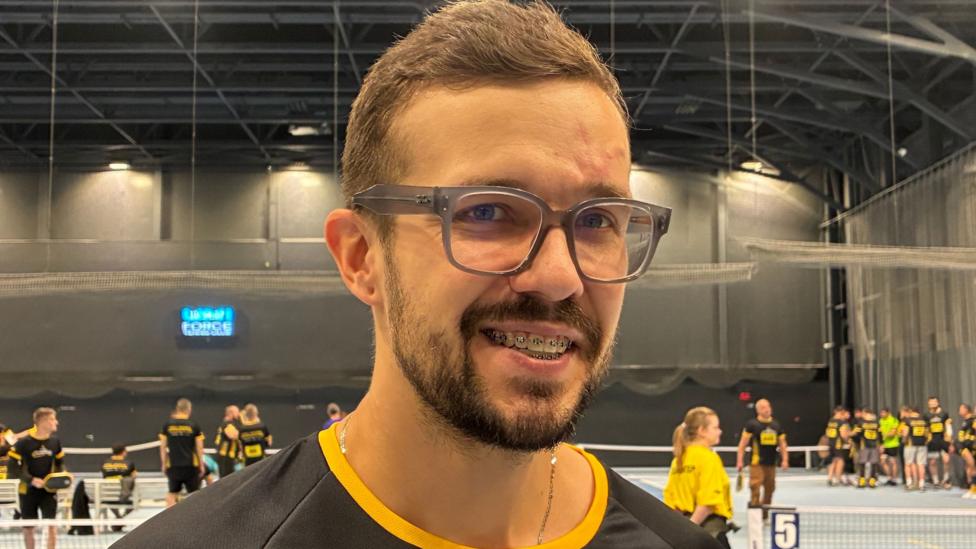
Ivan Voinov, who lost a leg, has learned to dance again with his wife
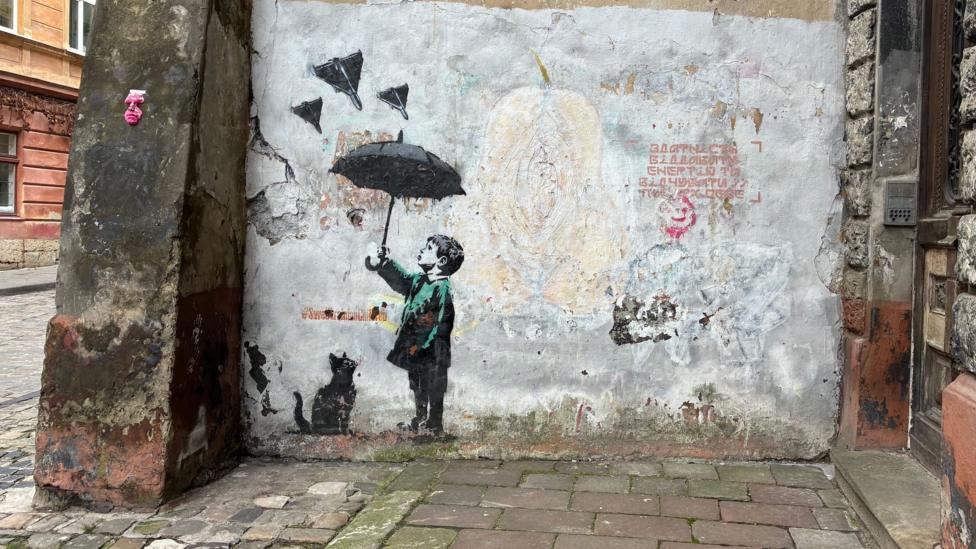
A Banksy-style piece of street art in Lviv shows the missiles falling