The key facts
- Ed Miliband said he would 'definitely not' resign if Rosebank is approved, citing the principle of collective responsibility
- The decision on the field will be made by Miatta Fahnbulleh, who replaced Miliband as Energy Secretary in July
- At least 75 Labour MPs signed a letter against the project, while Conservatives demand 'start drilling'
Miliband: no resignation
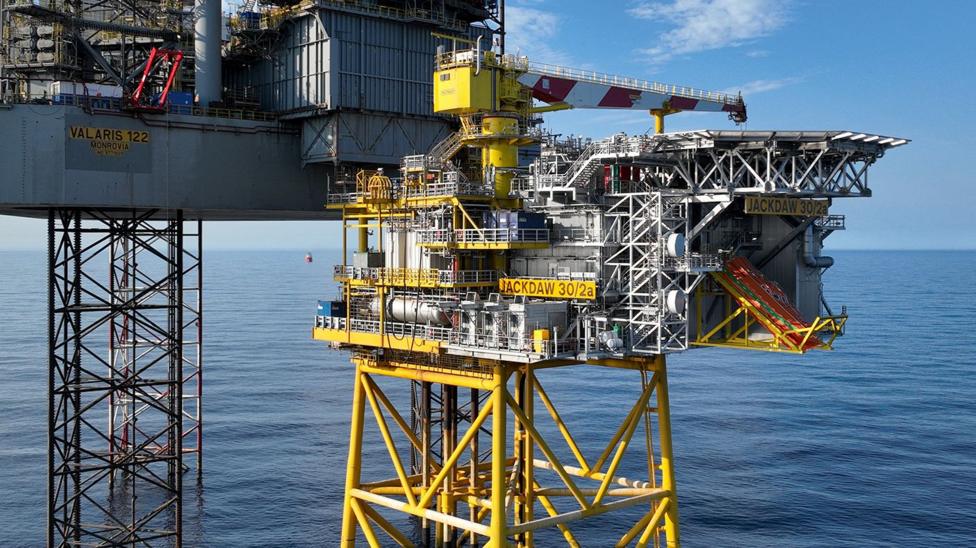
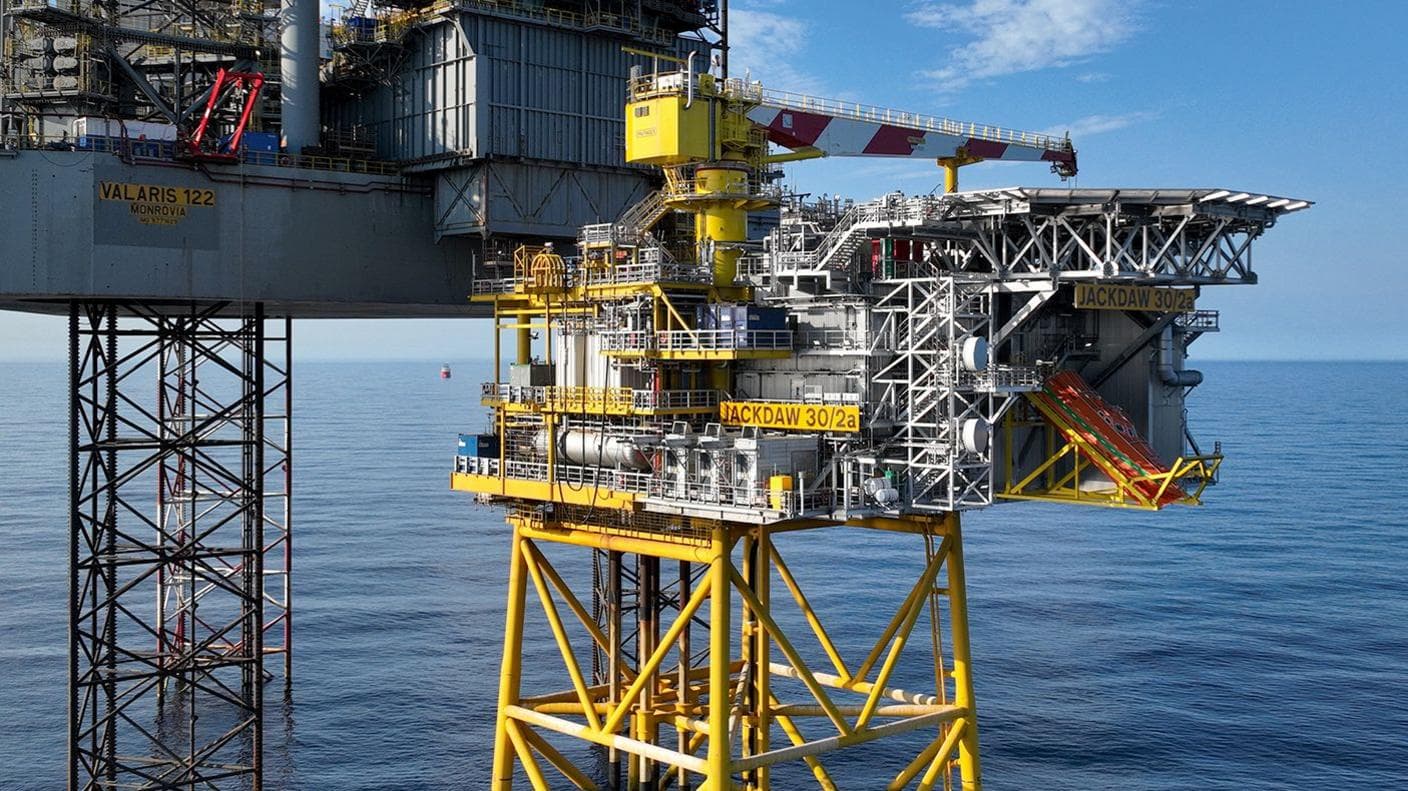
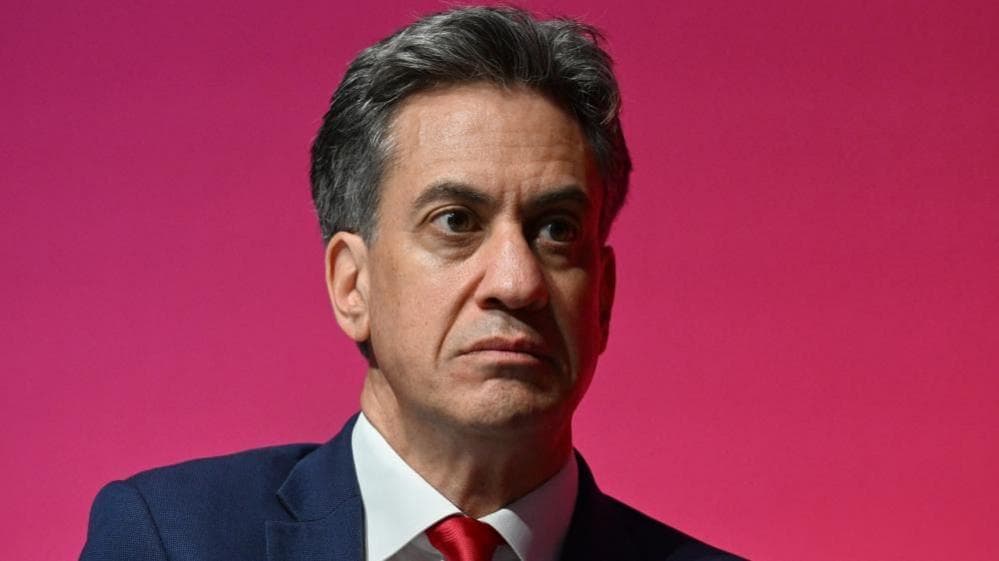
UK Foreign Secretary Ed Miliband said he would 'definitely not' resign if the government approves the Rosebank oil field near the Shetland Islands, despite having called the project in 2023 'a colossal waste of taxpayers' money and climate vandalism'. Speaking on Radio 4, he explained that he abides by the principle of collective responsibility, which obliges ministers to publicly support government decisions even when they disagree. The decision on the field will be made by Miatta Fahnbulleh, who replaced Miliband as Energy Secretary in July; according to him, this is a 'quasi-judicial decision', and he will not 'second-guess' her conclusion. Miliband also backed the recent approval of the Jackdaw gas field, from which gas production was announced to begin on Monday.
Split within the ruling party
The project has divided Labour: at least 75 MPs, including Catherine Fookes, signed a letter against Rosebank, arguing that drilling in the North Sea would worsen climate change. Steve Yemm, the MP for Mansfield, on the contrary, supported the project, calling it 'a test of the country's ability to sustain investment and skilled jobs in the North Sea while meeting climate commitments'. Conservative shadow energy secretary Andrew Bowie said that 'one gas field does not make an energy strategy', accusing Labour of blocking new licences and of the 'ruinous windfall tax', and suggested that some of the party's MPs are 'ready to rebel' over Rosebank.
What is known about Rosebank and its fate
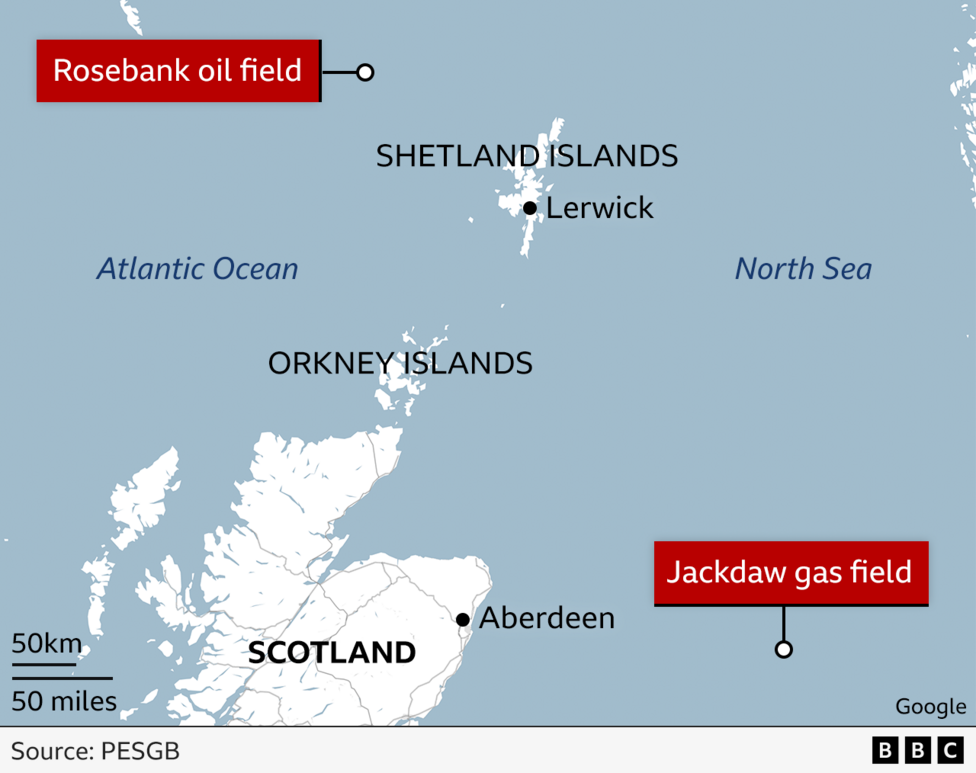
Rosebank is the largest undeveloped oil field in the UK, located about 128 km north-west of the Shetland Islands; if approved, up to 500 million barrels of oil, as well as some volume of gas, are expected to be extracted over 25 years of operation. The licence was granted in 2023 by the then Conservative government, after which a legal challenge followed: the Court of Session in Edinburgh ruled last year that the approval was unlawful, and now the current Labour government has to make a new decision. Oil prices are set by international markets, so there is no guarantee that increased production will lower energy bills in the UK. Environmental campaigners believe that approval would undermine the fight against climate change and would not strengthen energy security, and that in terms of greenhouse gas volumes Rosebank would be even more harmful than Jackdaw. The UK has committed to reaching net zero emissions by 2050 and limiting warming to 1.5 °C. Miliband himself links the cost of living to the consequences of Russia's invasion of Ukraine and the conflict with Iran, and argues that 'economic and energy security cannot be obtained from fossil fuels' — a transition to wind, solar and nuclear power is needed.
 Image source, Jeff Overs/BBC