The key facts
- Marcos highlighted the 35th anniversary of ASEAN–China dialogue relations and the fifth anniversary of the comprehensive strategic partnership
- Li Qiang said China–ASEAN trade turnover last year exceeded $1 trillion, growing 20.1% compared to 2021
- The sides declared their commitment to multilateralism and free trade amid rising restrictions in the world
Statements at the Summit Opening
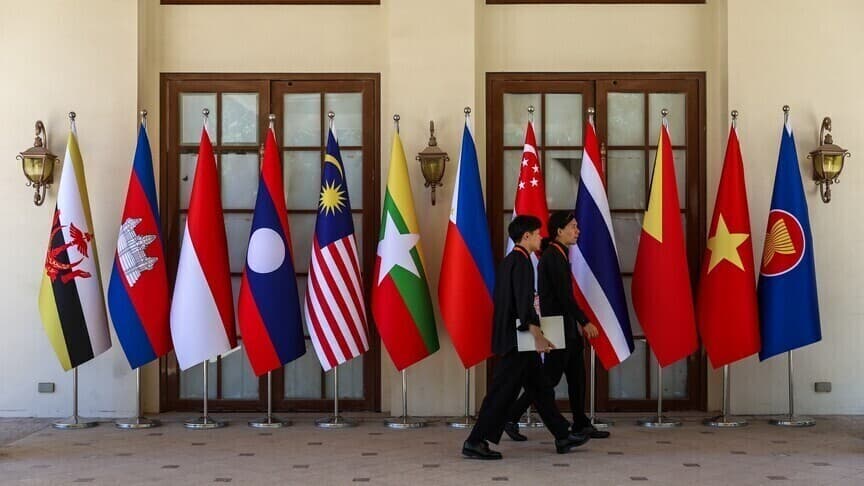
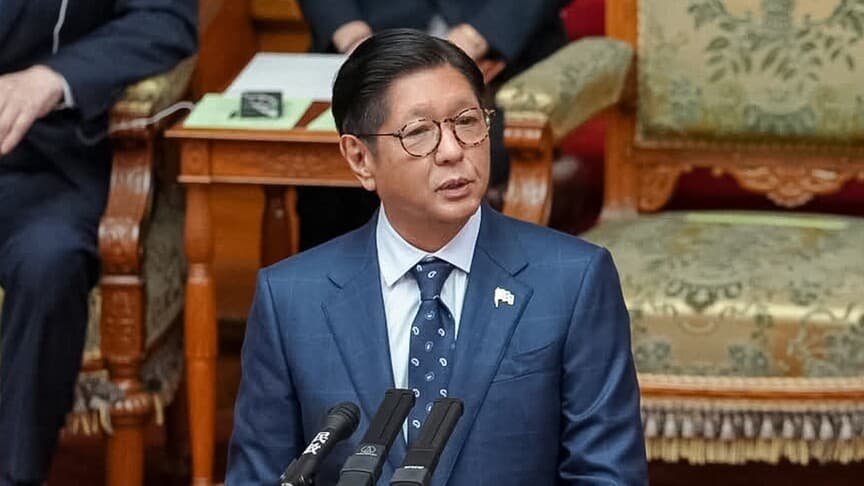
Philippine President Ferdinand Marcos Jr., speaking at the opening of the 29th ASEAN–China Summit, which was attended by Chinese State Councilor Premier Li Qiang, stated that even amid regional and global instability, the sides continue to find common ground and develop tangible cooperation. The Philippines currently holds the chairmanship of the regional grouping.
Anniversary Dates and a Call for Restraint
Marcos recalled that this year marks the 35th anniversary of ASEAN–China dialogue relations and the fifth anniversary of their comprehensive strategic partnership. According to him, the sides' shared commitment to international law and the peaceful settlement of disputes must be reflected in actions — including self-restraint, mutual respect, and practical cooperation. He also noted the importance of innovative solutions to shared environmental challenges and the sides' active participation in major trade and investment events, calling for building on the partnership's achievements for the sake of peace, stability, and prosperity in the region.
Li Qiang: Trade Exceeded $1 Trillion
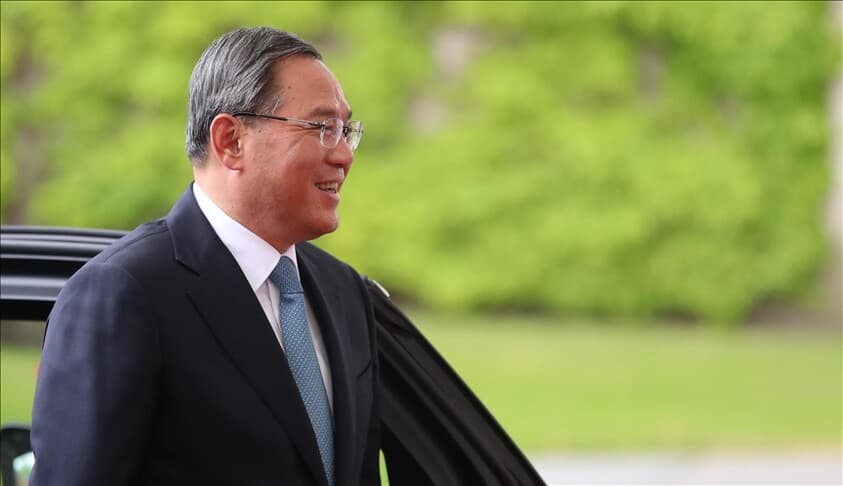
Chinese State Councilor Premier Li Qiang pointed to growing unilateralism, protectionism, and recurring geopolitical conflicts in the world, but emphasized that China–ASEAN cooperation maintains strong momentum. He said bilateral trade last year exceeded $1 trillion, growing 20.1% compared to 2021, and listed concrete results: the protocol upgrading the ASEAN–China Free Trade Area to version 3.0, connectivity projects such as the Jakarta–Bandung high-speed railway and the China–Laos railway, the opening of the Pinglu Canal, and the ASEAN visa program.
Beijing's Three Priorities
Li Qiang outlined three priorities: developing the traditions of friendship and mutual assistance, upholding the principles of openness and mutual benefit, and following the trend of innovative development amid rapid advances in science and technology. According to him, despite the growth of trade and economic restrictions in the world, China and ASEAN remain firmly committed to multilateralism and free trade and seek to 'enlarge the pie of cooperation.' 'The past five years have been truly remarkable, and the achievements made did not come easily,' he said.