The key facts
- The House of Lords committee called the UK's crisis preparedness system 'outdated, underfunded and untested'
- The UK imports 80% of the active ingredient of penicillin antibiotics from China; the last British antibiotic factory closed in 2025
- Recommendations include paid leave for training and volunteering, leaflets for every household, and an app modelled on Finland's 112 Suomi
Peers' report: the country is not ready for a 'polycrisis'
The House of Lords National Resilience Committee published the report 'Are we Ready? Building a Culture of Resilience', which states that the UK is 'seriously unprepared' for the escalation of threats and emergencies capable of overlapping one another. Planning for national crises, the committee concluded, is 'outdated, underfunded and untested in practice'. The peers called for a 'radical change of mindset' on the part of both government and society, noting that the world has become 'more turbulent and unsafe than in decades'.
Cascade of threats and dependence on suppliers
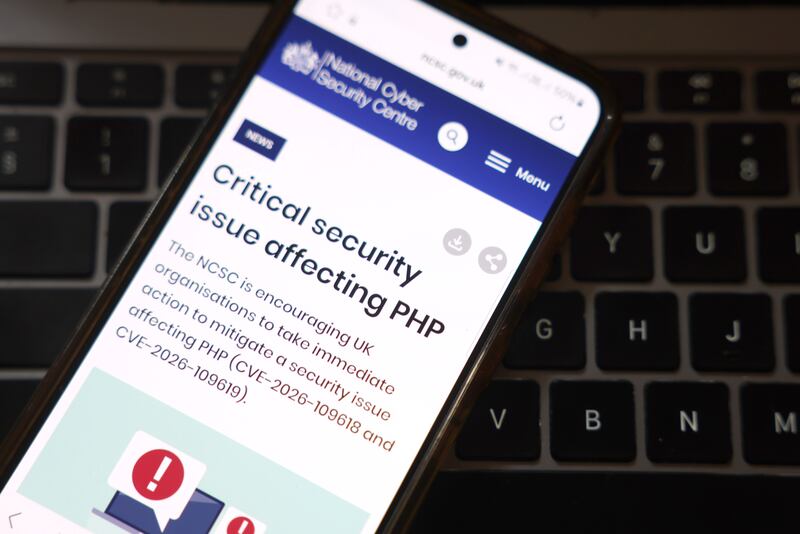
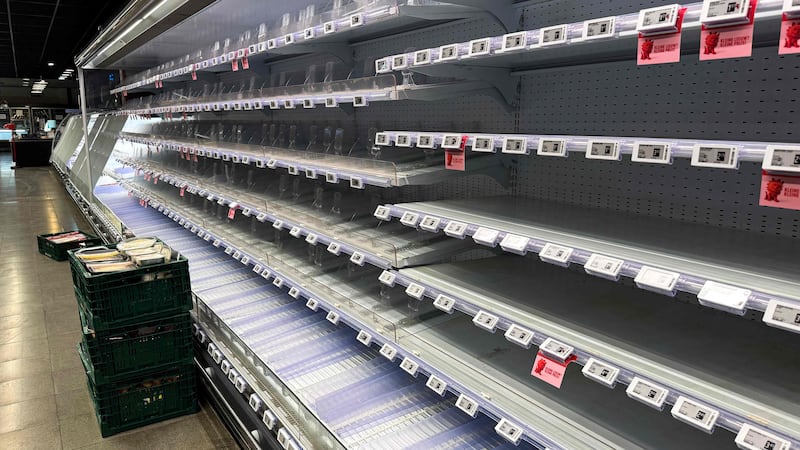
Committee chair Baroness Cousins described the cascading crisis mechanism: 'A cyberattack can quickly turn into a power outage, then into a transport shutdown, and then into empty shop shelves.' According to her, about 95% of products sold in the UK pass through just nine retailers, and the country is 'acutely vulnerable' due to its dependence on key suppliers of food, water, medicines and fertilisers. The committee also said it was 'shocked' to discover that 80% of the active ingredient of penicillin antibiotics and a significant share of all other antibiotics are imported from China: the last British factory producing them closed in 2025, and only one antibiotic manufacturer remains in the whole of Europe. The costs of recovery from cyberattacks alone are estimated at £14.7 billion a year.
Recommendations: paid leave, leaflets and an app
Among the proposals of the committee's 12 members is a new right to paid 'civic resilience leave', allowing workers to undergo training and take part in emergency volunteering without losing income. The peers did not specify the exact length of the leave, suggesting ministers work out 'proportionate schemes' with employers. At present there is no statutory right to paid leave for coastguard volunteers, retained firefighters or St John Ambulance volunteers; military reservists can receive up to £400 a day when mobilised, but employers are not obliged to release them for training. The committee also recommended sending information booklets to every household, following the example of Sweden and Denmark — during the inquiry the government had proposed limiting itself to a website, but the peers rejected that option, pointing out that it 'excludes some groups' and would not work during prolonged outages. Another recommendation is a multilingual emergency preparedness app with automatic transmission of the user's location to emergency services, modelled on Finland's 112 Suomi. Additional proposals include cancelling the switch-off of digital terrestrial television, restoring domestic production of vital medicines, requiring local councils to keep registers of volunteers and lists of buildings suitable as shelters, and appointing a Cabinet minister responsible solely for resilience, with an annual report to the Prime Minister and the development of a national strategy within six months.
Government reaction and campaign context
The committee called the government's Be Ready campaign, which urges citizens to stockpile three days' worth of food, an 'encouraging step', but warned that it lacks leadership, funding and 'urgency'. The Cabinet Office said it would 'carefully consider' the report, pointing to work already under way: an update of secret departmental plans known as the 'war book', a major exercise to test resilience to war scheduled for next year, and new measures to protect undersea internet cables, including the right of officials to inspect telecom companies' cable stations. Baroness Cousins urged the government to 'stop being embarrassed' about speaking frankly to the public about threats, including cyberattacks and the actions of Russia and Iran: according to the committee, candid information reassures people rather than frightening them — 'people are more than willing to act in an emergency, but it is unclear to them why and how'.