The key facts
- After an informal summit in Dublin, Europe will be represented at the talks by France, Germany, the United Kingdom, Italy, Poland, EU institutions and NATO
- On Wednesday, the Commission will present a draft €45 billion loan for Ukraine without using frozen Russian assets
- Slovakia, Hungary, the Czech Republic and Bulgaria want not to take part in the joint borrowing
EU ministers gather in Brussels against the backdrop of talks in Abu Dhabi
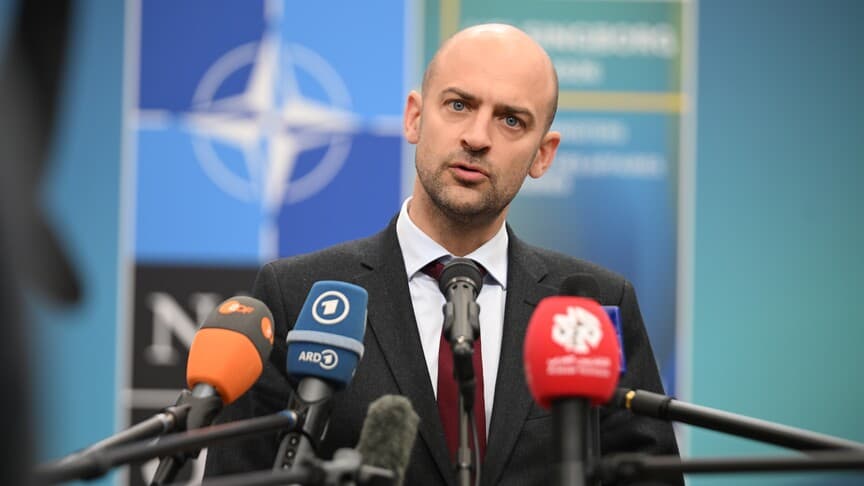
On Monday, Brussels hosts a meeting of the Foreign Affairs Council devoted to continued support for Ukraine and Europe's relations with the Middle East. As Euronews reports, the formal agenda is largely overshadowed by last week's shuttle diplomacy: on November 10–11, representatives of the United States, Ukraine and Russia met in Abu Dhabi, but, according to the outlet, there were no breakthroughs — the only outcome was an agreement on a prisoner exchange.
Who will represent Europe at the negotiating table
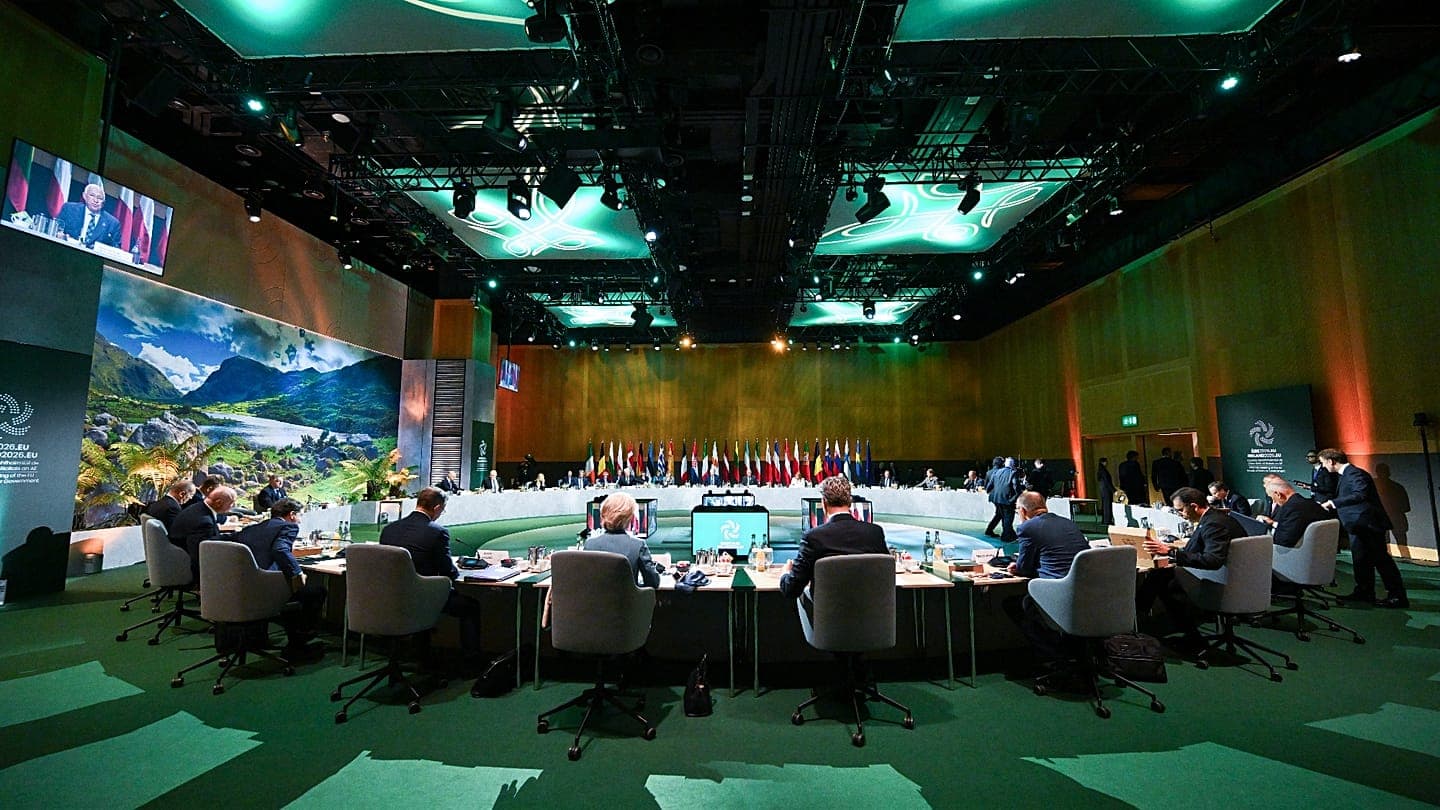
European countries have spent months seeking a seat in the ceasefire talks, but the main dispute was over who exactly would take that seat. Ukrainian President Volodymyr Zelensky gave the allies a preliminary deadline of November 19 — the date of the 'coalition of the willing' meeting in Berlin. After an informal European Council summit in Dublin on Friday, the leaders agreed on a seven-member line-up: France, Germany, the United Kingdom, Italy, Poland, EU institutions and NATO.
'Russia is not interested in peace': the ministers' positions
Swedish Foreign Minister Maria Malmer Stenergard arrived in Brussels after meeting her Ukrainian counterpart Andrii Sybiha in Abu Dhabi. In her words, the talks showed that Moscow has no intention of ending the invasion: 'Russia is not interested in peace.' She called for focusing on filling the 2027 budget gap and for resuming the discussion on using frozen Russian assets, expressing hope that the Commission would propose moving the assets out of Belgium and sharing the risks.
Debate over the envoy as a 'trap'
After the meeting in Dublin, Latvian Prime Minister Andris Kulbergs said the dispute over the envoy distracts from the main issue — Russia's ongoing full-scale invasion — and that Europe is falling into Vladimir Putin's trap, who wants to shift attention away from the war. 'We should be discussing support for Ukraine, ways to ensure they survive the winter, and how peace talks can benefit them,' Euronews quotes him as saying. At the same time, questions are being raised in Brussels about what Europeans will actually achieve if they are admitted to the talks: one ambassador noted that the substance matters more than the identity of the representative.
A €45 billion loan and resistance from four countries
On Wednesday, according to Euronews, the European Commission will present a draft of a new support loan for Ukraine worth €45 billion, which would cover two-thirds of the country's €70 billion deficit for next year. The EU budget will act as guarantor and will also pay the annual interest; frozen Russian assets will not be part of the scheme. The draft is designed for all 27 countries, but at least four — Slovakia, Hungary, the Czech Republic and Bulgaria — want to opt out of the joint borrowing. Slovak Prime Minister Robert Fico used the topic of peace talks to cement his position: 'I say a clear no to war, weapons and military loans, and yes to peace.'
The 22nd sanctions package and other agenda items
From Tuesday, the Commission will begin consultations with member states on the 22nd sanctions package against Russia; the focus is on the banking sector, cryptocurrencies, the 'shadow fleet' and sanctions circumvention. Brussels wants to adopt the package without a veto, so no major headline measures are expected. Also on the agenda is the Middle East: a diplomatic source expects discussion of France's statement about Iran's involvement in cyberattacks on European refrigerators and of ways to strengthen Europe's involvement in Syria after the fall of Bashar al-Assad's government. In parallel, the EU Enlargement Forum is starting in Brussels with the participation of heads of government of candidate countries, including Ukraine, Albania, Montenegro and Moldova; attention is focused on the debut of Serbia's 'Student List', although the opening with a concert featuring a 'Serbian nationalist song' about Kosovo, as Kosovo's ambassador to Belgium Agron Bajrami said, has already prompted a request for clarification from the Commission.