The key facts
- EAD says risks were mapped and action plans ready even before the war began on 28 February
- An oil spill after an attack on a supertanker in October forced beach closures and a nationwide fishing ban
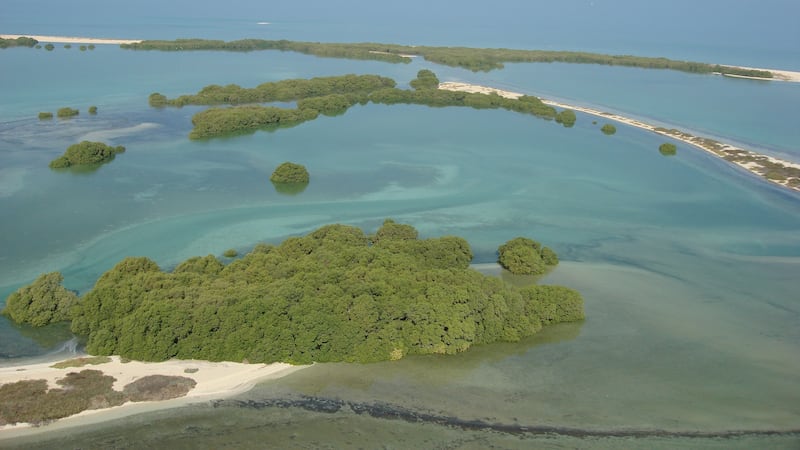
- Over eight years, Abu Dhabi's sustainable fisheries index rose from 8% to 100%, and more than 75 million mangroves were planted
Statement marking the agency's 30th anniversary
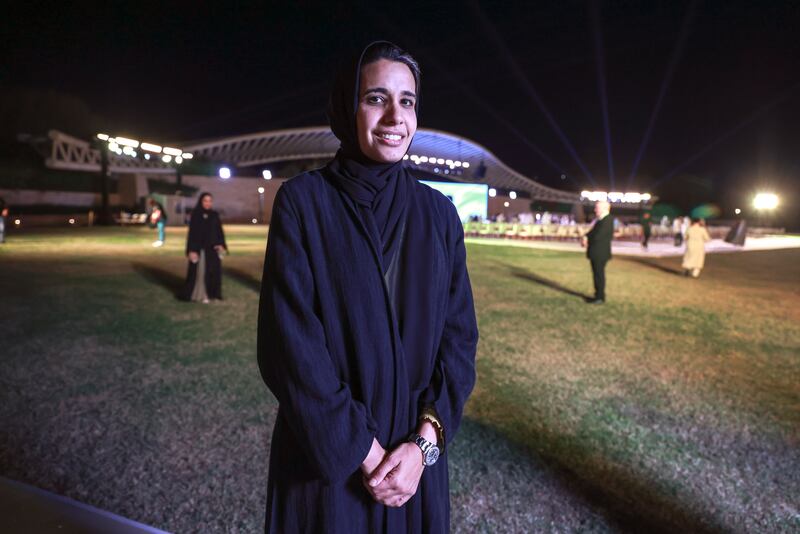
Dr. Shaikha Al Dhaheri, Secretary General of the Environment Agency – Abu Dhabi (EAD), stated that the emirate and the UAE as a whole were 'ready and prepared' to protect natural resources at the height of the war with Iran. According to her, 'risks were mapped and our action plans were ready' even before the consequences of the war's outbreak on 28 February became apparent. The interview was timed to the agency's 30th anniversary.
Tested by war
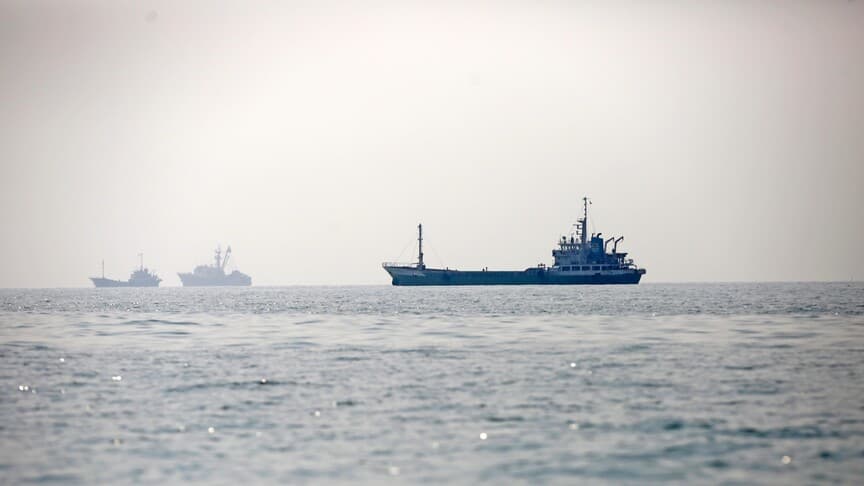
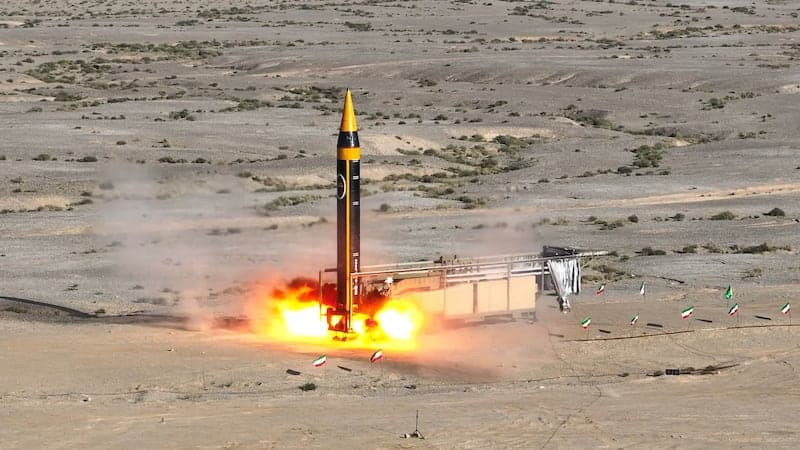
At the height of the conflict, Iran struck the UAE and other Gulf countries with ballistic missiles and drones, targeting civilian infrastructure, including energy facilities and airports. The prolonged attacks, in addition to human casualties, posed a threat to fragile marine ecosystems due to strikes on tankers, ports and oil refineries. The problem became especially acute after an oil spill caused, by suspicion, by an Iranian drone attack on a supertanker in the Persian Gulf in October: beaches were closed and fishing was halted across the country for a large-scale cleanup operation. Maisa Al Hameli, Acting Executive Director of EAD for terrestrial and marine biodiversity, noted that the agency's readiness had been put to the test: 'We are flexible and agile.'
Results of 30 years of work
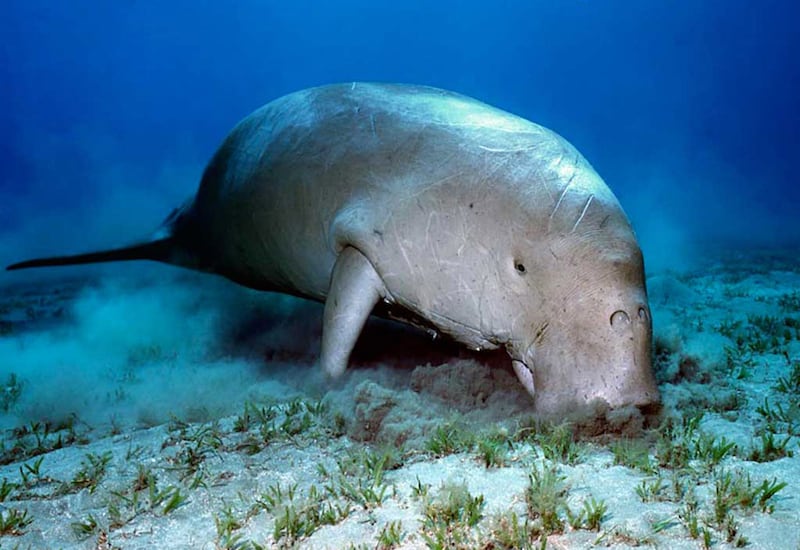
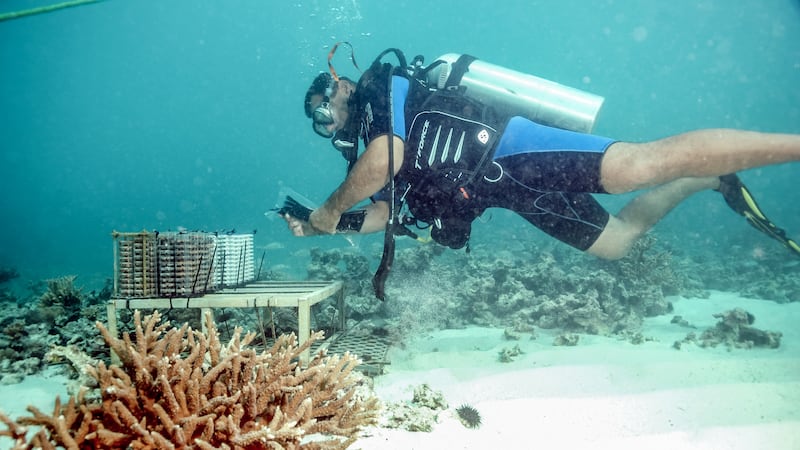
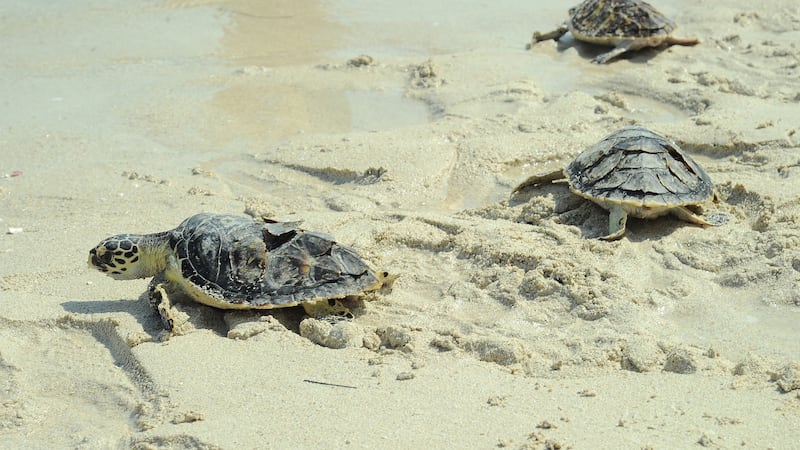
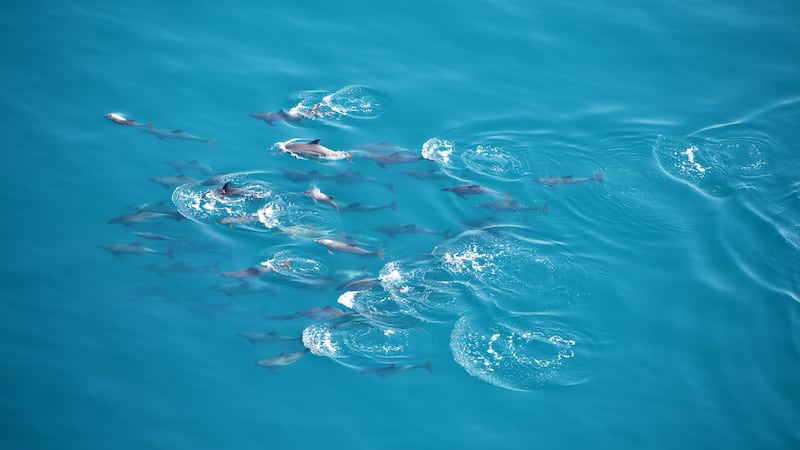
The agency is summing up three decades of work. Over the past eight years, Abu Dhabi's sustainable fisheries index has grown from 8% to 100%, more than 75 million mangroves have been planted, and 20% of marine and terrestrial areas are preserved as protected zones. Al Hameli particularly highlighted the dugong conservation programme: according to her, there are now about 3,500 individuals in the emirate's waters — the largest population in the Gulf and the largest outside Australia. Abu Dhabi's waters are also home to more than 700 dolphins, including the world's largest group of Indo-Pacific humpback dolphins.
Plans for the future
Al Dhaheri linked further work to the goal of making Abu Dhabi one of the world's most livable cities: the Abu Dhabi Executive Council has allocated AED 42 billion for the next phase of the Livability Strategy, and the agency's priorities are climate change, resilience to extreme weather events and air quality. In January, EAD launched its Strategic Plan for 2026–2030, which provides for the introduction of artificial intelligence and predictive environmental action: nine priorities and 170 targets.